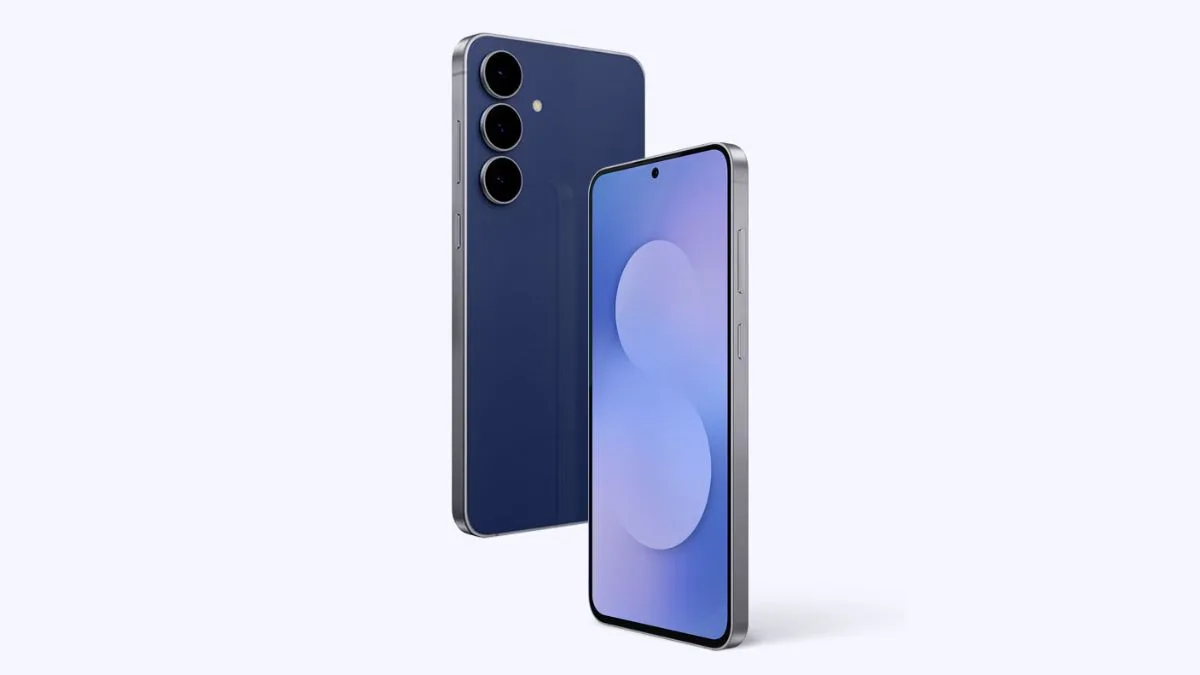
The Galaxy FE line is at its most interesting when it reveals Samsung's priorities. It is not supposed to be the absolute best phone Samsung can build, but it has to feel close enough to a flagship that buyers believe they are getting the smart version of the premium experience. A new Geekbench sighting for the reported Galaxy S26 FE now puts that balance back under the spotlight.
The listing is said to show a South Korean variant running an Exynos 2500 chip, Android 16, and 8GB of RAM. Benchmarks alone never tell the full story, and early listings can be misread or tied to prototype firmware. Still, they are useful because they show what Samsung is testing before the product is ready for launch marketing.
The most interesting part is the Exynos choice. Samsung has spent years trying to rebuild confidence in its own mobile silicon, and the FE range gives it a practical proving ground. A chip that can deliver stable performance, controlled heat, and good battery life in a semi-flagship phone would matter more to everyday buyers than a big single-core score.
TheTechOutlook reported the Geekbench appearance, and the timing lines up with a broader Samsung hardware cycle. We have already seen the flagship conversation move toward chip cost, heat, and software support. Our coverage of Galaxy cost pressure shows why Samsung has to get component choices right before launch.
Why the FE model is a difficult target
The FE buyer is not always a spec hunter. Many people choose FE phones because they want Samsung's camera processing, display quality, update promise, and brand trust without paying Ultra money. That makes the chip decision tricky. If the phone feels fast in the first month but warm and inconsistent after a year, the value story weakens.
8GB of RAM also deserves a realistic reading. It is enough for a lot of users, especially with clean software management, but AI features and heavier multitasking can push phones harder than old app-switching habits did. If Samsung wants the S26 FE to feel current through several Android versions, memory management will matter as much as the silicon label.
The Android 16 detail is less surprising but still relevant. It suggests Samsung is building the phone around a recent software base rather than launching with stale firmware. That matters because users now expect long update windows to begin from a modern starting point, not from a version that already feels behind on day one.
The practical takeaway is simple: the Galaxy S26 FE is shaping up as a test of Samsung's confidence in Exynos outside the highest-priced models. If the company can pair the chip with stable thermals, good battery life, and a launch price that makes sense, the FE line can remain one of Samsung's most sensible choices. If not, every benchmark leak will become part of a bigger argument about whether value phones should carry experimental flagship ambitions.
For buyers, the practical advice is to wait for sustained tests rather than treating one database result as the whole story. The FE model will succeed only if the final retail phone feels balanced after weeks of use, with stable cameras, clean updates, and battery life that matches the value promise. The leak is useful because it frames the questions early. It does not answer them yet.