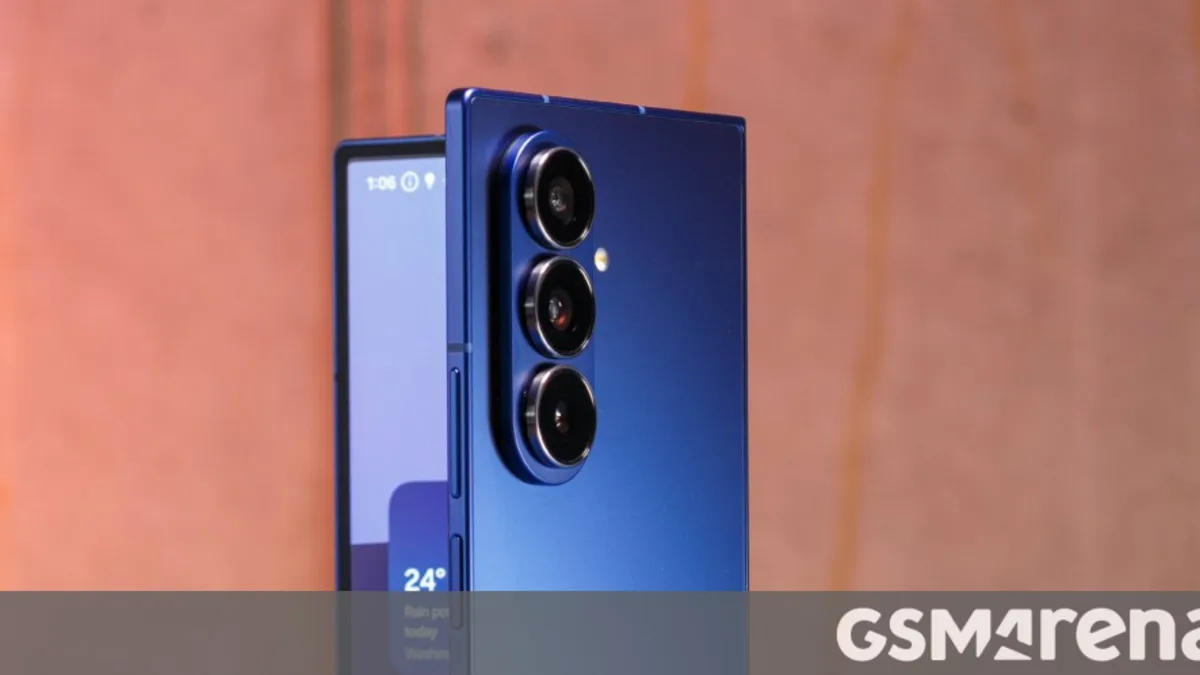
Samsung's next big software cycle is starting to look less like a quiet lab exercise and more like a broad platform push. New test builds tied to One UI 9 have reportedly appeared for the Galaxy Z Fold7, Galaxy A56, Galaxy S23 series, and Galaxy S24 series, which suggests Samsung is no longer only validating the newest flagship line before widening the update pipeline.
The important detail is not just that One UI 9 exists in testing. Samsung always has future builds moving internally. What matters here is the spread of devices. A foldable, a mid-range A-series phone, and two older premium families appearing in the same wave points to a software program that is already being checked across different chipsets, display formats, and market tiers.
That matters for daily users because Samsung's update reputation now depends on timing as much as features. Buyers have become used to long support promises, but long support only feels useful when updates arrive without months of delay. The pattern also connects with our recent look at Android 17 daily-use fixes, because phone makers are now judged on refinement instead of headline features alone.
GSMArena reported the testing activity, and the device mix is the part worth watching. The Galaxy Z Fold7 gives Samsung a foldable target with tablet-style multitasking demands. The Galaxy A56 gives it a mainstream phone with tighter hardware limits. The S23 and S24 series give Samsung two older premium lines where regressions would be noticed quickly by power users.
Why the device spread matters
One UI releases are rarely only visual refreshes now. They change lock-screen behavior, app transitions, camera processing hooks, notification handling, AI features, battery controls, and low-level performance tuning. A build that behaves well on a Fold can still expose bugs on a smaller phone, and an animation that feels smooth on a new Snapdragon device can feel heavier on older silicon. Early multi-device testing is one way to catch those problems before public beta users see them.
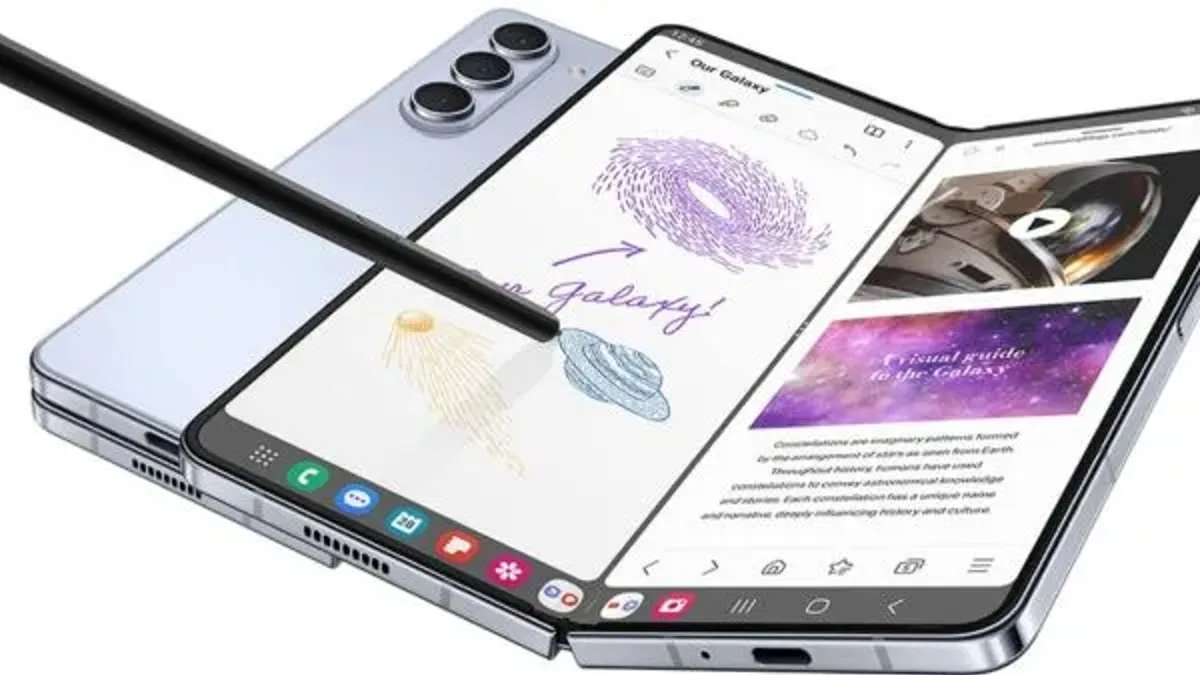
Samsung also has more pressure on its foldables than it did a few years ago. Our coverage of Galaxy Z Fold design leaks showed how physical hardware changes are under scrutiny, but the software layer is just as important. A foldable becomes frustrating fast if app continuity, split-screen layout, or cover-display behavior is unstable after a major update.
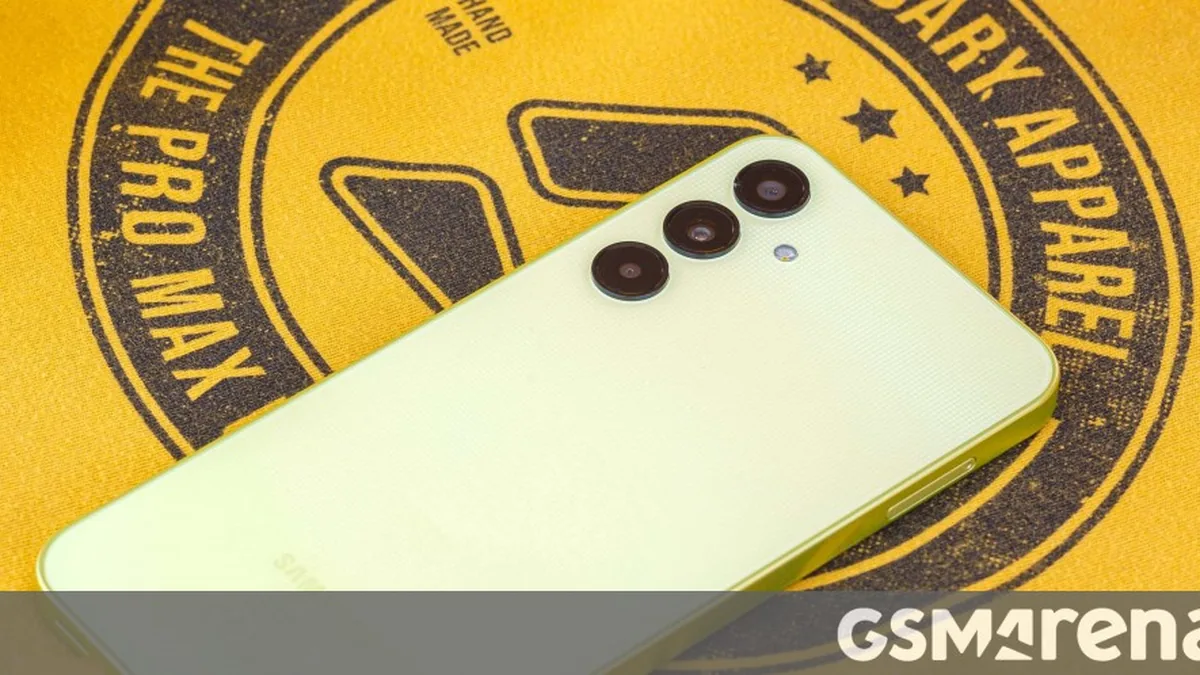
The Galaxy A56 inclusion may be the quietest but most commercially important clue. Samsung sells far more mid-range phones than foldables, and the A-series is where smooth updates can build trust with regular buyers. If One UI 9 reaches that class early, it would show Samsung is not treating new software as a flagship-only showcase.
The right expectation is caution, not hype. Test builds do not confirm a public beta date, and they definitely do not guarantee a final rollout window. They do show movement, though. If Samsung keeps this pace, One UI 9 could land as a more coordinated release across premium and mainstream Galaxy phones instead of a slow ladder that starts with one device and leaves everyone else waiting.