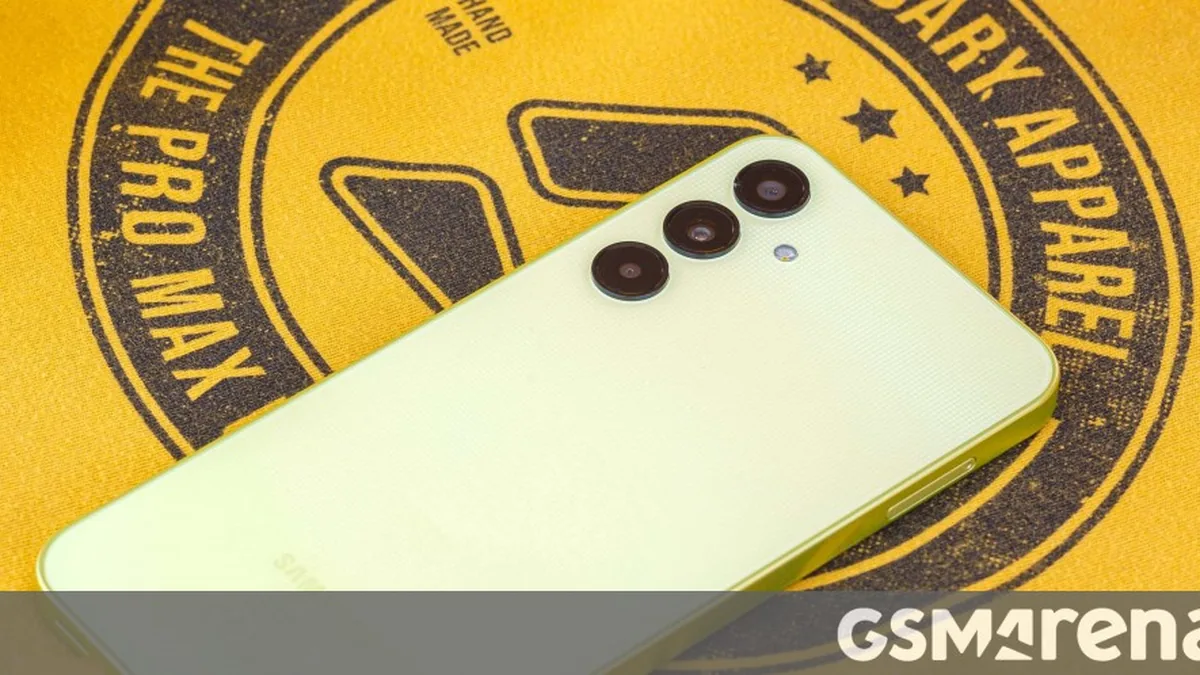
A Galaxy A25 software test would normally sound like a small maintenance story. It is more interesting because Samsung's update strategy has become one of the strongest reasons to buy its cheaper phones. If One UI 9 work is already visible for the A25, it suggests Samsung is preparing its next Android wave with budget and midrange devices in mind instead of treating them as late-cycle afterthoughts.
That matters for buyers who hold phones longer. A midrange device can have a good display, decent cameras, and a large battery on day one, but its real value depends on how it feels after two or three major updates. Samsung has spent years turning software support into a selling point. Early testing for a phone like the A25 reinforces that message because it shows the pipeline is not only for Galaxy S and Fold models.
There is also a competitive angle. Xiaomi, OnePlus, Google, and other Android brands are all trying to make update promises easier to understand. Samsung still has a scale advantage, but scale creates pressure. Every extra model adds carrier validation, regional builds, feature exclusions, and bug risk. We recently covered how a Galaxy F15 One UI update showed budget phones gaining longer lives, and the A25 leak fits the same pattern.
GSMArena reports that One UI 9 development for the Galaxy A25 is in progress, based on signs that Samsung is already working on the firmware. That does not mean a public release is close. It means the phone appears to be part of the early preparation list, which is useful for owners watching Samsung's Android 17 schedule.
The bigger question is feature parity. Samsung often has to decide which AI, camera, lock screen, and multitasking features make sense on cheaper hardware. A Galaxy A25 owner should not expect the full flagship feature set if memory, processor, or sensor limits get in the way. But a stable interface, improved privacy controls, smoother animations, and longer security support can matter more than headline AI features on a practical phone.
Battery and performance will be watched carefully. Major UI upgrades can improve the feel of a device, but they can also expose weak storage speed or limited RAM. Samsung's challenge is to bring new design and system features without making the A25 feel heavier. The company has improved here, yet budget phones still reveal optimization mistakes faster than premium models do.
For developers and accessory brands, early firmware movement is also a planning signal. If Samsung starts testing a broader set of devices earlier, app makers get a better chance to prepare for new permissions, UI behaviors, and display rules. That is especially important when One UI changes notification handling, media controls, device connection flows, or background restrictions.
The A25 leak will not excite spec hunters the way a foldable leak does, but it may matter to more people. Samsung sells huge numbers of affordable Galaxy phones, and those users notice when updates arrive late or break everyday tasks. If One UI 9 reaches devices like the Galaxy A25 in a timely, polished way, Samsung's software reputation will become a stronger part of its midrange value story.