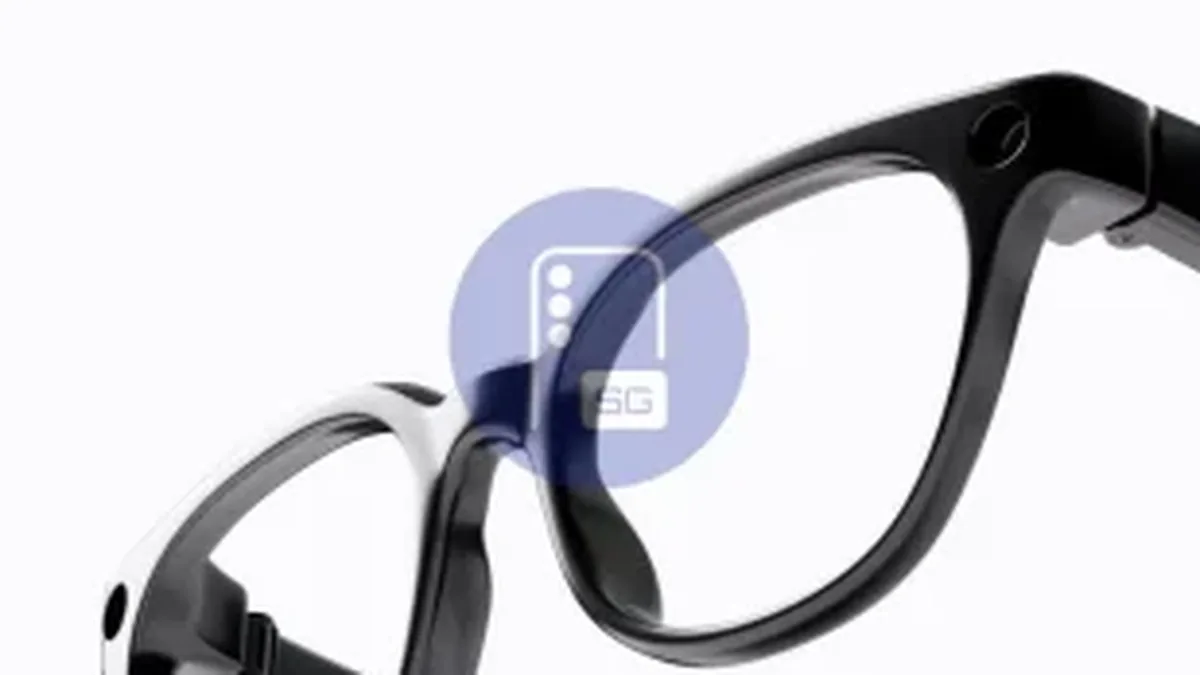
An interface leak can make an unreleased product feel suddenly practical. That is what the Galaxy Glasses app images do for Samsung's smart glasses story. Instead of guessing only from patents or broad rumors, readers can now imagine how pairing, permissions, controls, and AI options might appear in the Galaxy ecosystem. The leak does not guarantee a final design, but it moves the discussion closer to actual product behavior.
The most important thing about a glasses interface is clarity. Smart glasses ask users to accept a device that is more personal and more visible than a watch. If the setup flow is confusing, or if camera and microphone controls are buried, the product will struggle before people judge the hardware. Samsung's app needs to make every sensitive control obvious, especially if the glasses support capture or assistant features.
The leaked interface also hints that Samsung may be avoiding a standalone-first strategy. That is the right move. Glasses should connect to the phone quickly, share settings with other Galaxy wearables, and hand off tasks without forcing users into another complicated device menu. Our coverage of Galaxy Glasses as an AI wearable made the same point: the best early smart glasses may be valuable because they are simple.
YugaTech reports that the Samsung Galaxy Glasses app interface has leaked, showing a clearer look at how the wearable may be managed. That kind of leak is especially useful because app screens often survive closer to launch than speculative hardware renders, even if labels and final options can still change.
Samsung's advantage is that it already has the pieces around the glasses. Galaxy Buds handle audio. Galaxy Watch handles health and quick actions. Galaxy Ring adds passive tracking. Galaxy phones provide processing, cameras, accounts, and connectivity. Glasses can sit on top of that stack as a context layer, but only if the software makes the connection feel automatic rather than stitched together.
There is also a developer question. If Samsung opens meaningful APIs for glasses features, the device could grow beyond first-party tricks. If it keeps the experience locked to a few Samsung apps, the first version may feel narrow. Early interface leaks rarely answer that question, but they do show whether Samsung is building a settings shell that could eventually support more services.
The social design challenge remains. A clean interface will not matter if people are uncomfortable around the cameras or if the frames look too technical for daily wear. Samsung has to balance recognizable gadget capability with ordinary eyewear design. A leak that focuses on app controls is encouraging because it suggests the company knows the product has to feel manageable, not mysterious.
For now, the Galaxy Glasses interface leak turns a vague wearable rumor into something easier to evaluate. It shows Samsung preparing the software plumbing that a real product needs. If the final hardware is light, the privacy controls are clear, and the AI features are genuinely useful, Samsung could enter smart glasses with a device that feels like part of the Galaxy system from the first setup screen.
The interface leak also gives accessory makers something to watch. Frames, charging cases, prescription support, and protective storage all depend on the final shape and setup flow. If Samsung is close enough for app screens to circulate, the surrounding accessory market is likely already preparing for another Galaxy device category.