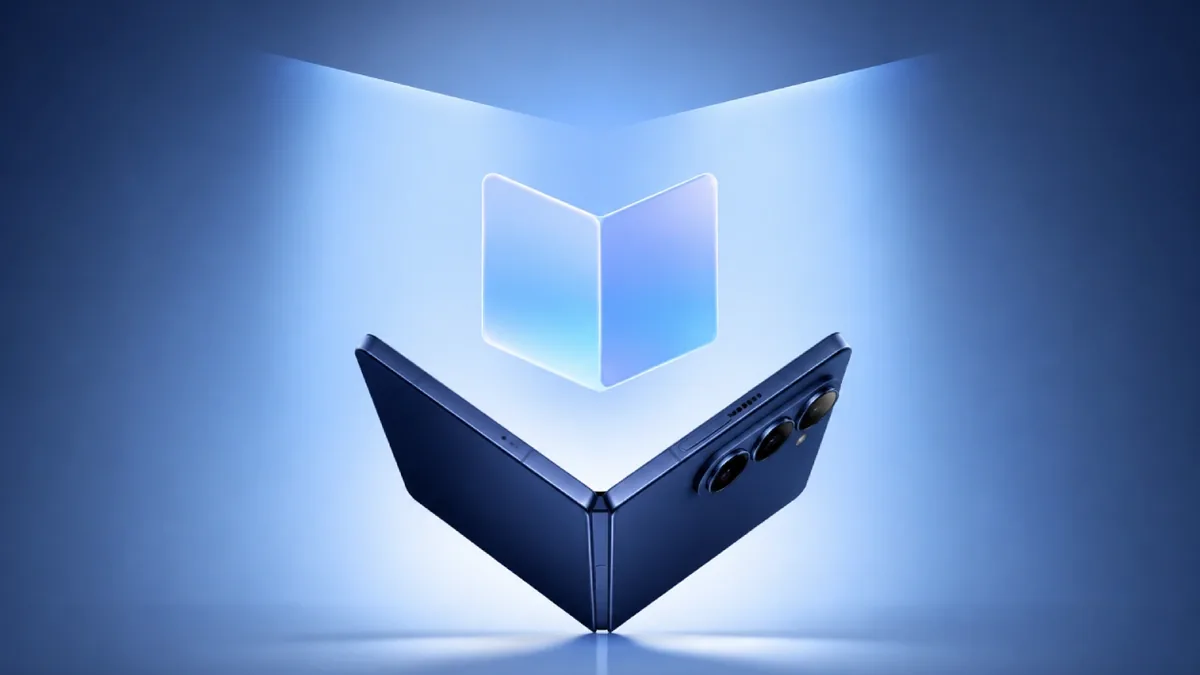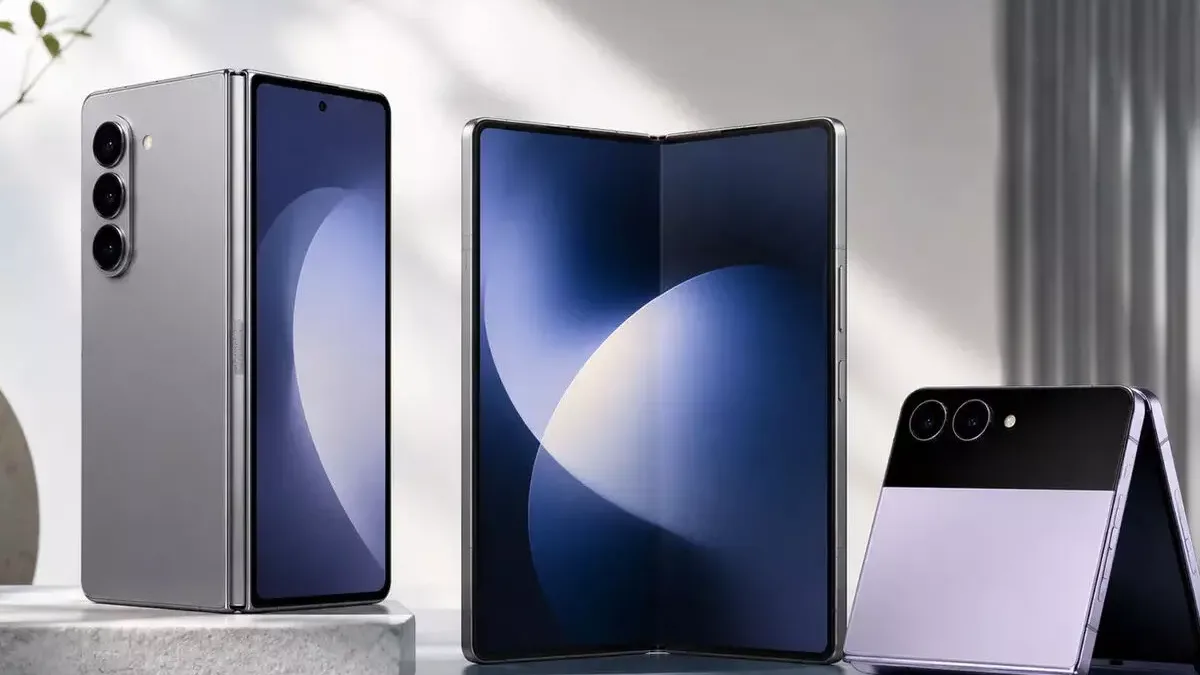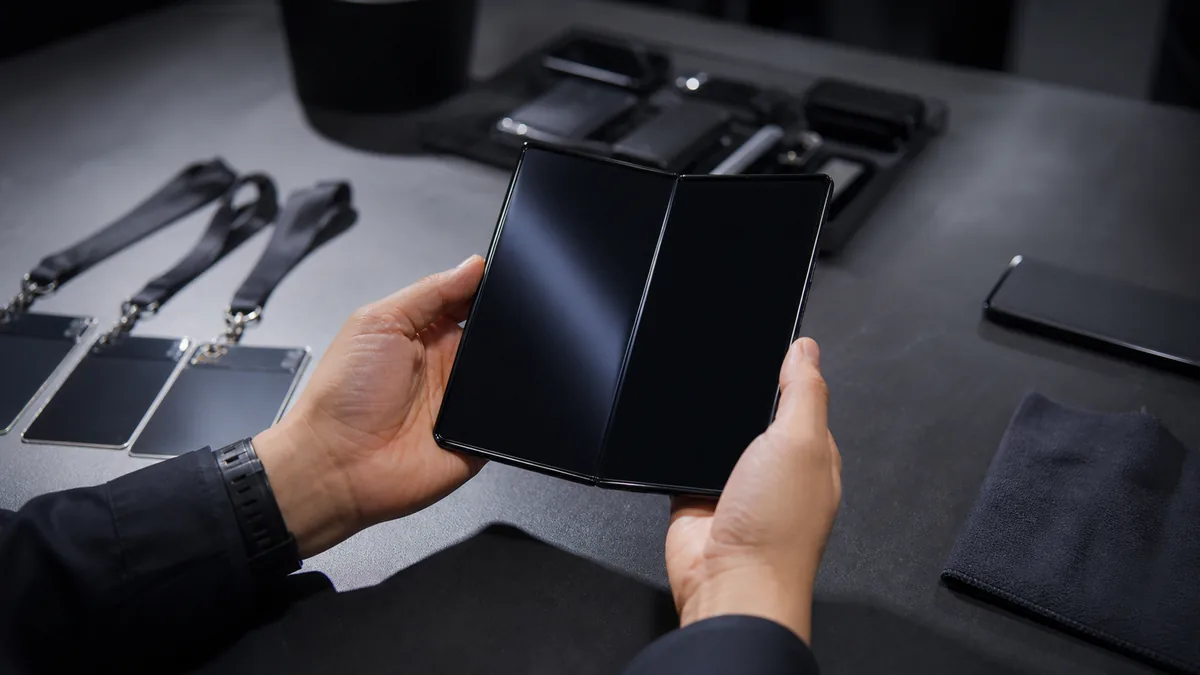
A teaser for a Galaxy Z Fold8 Wide would be more than a naming hint. It would show Samsung acknowledging one of the most practical foldable complaints: the closed phone needs to feel better. Foldables are bought for the inner display, but they are used closed many times a day. If the cover screen is too narrow or awkward, the expensive inner screen cannot fully rescue the experience.
A wider Fold could change that rhythm. Messaging, typing, maps, payments, quick camera shots, and one-handed checks all happen on the outside display. Making that surface more normal would reduce the number of times users open the device simply because the cover screen feels cramped. That is a daily-use improvement, not a spec-sheet decoration.
Samsung also has competitive reasons to move. Several Chinese foldables have shown slimmer bodies and more comfortable external displays, while Apple foldable rumors keep raising expectations for a premium book-style device. We recently looked at a Galaxy Z Fold8 Ultra screen leak, and a Wide tease fits the same broader story: Samsung may be preparing a more segmented foldable lineup.
smartprix.com reports that Samsung has started teasing the Z Fold8 Wide ahead of Galaxy Unpacked. The phrasing matters because a company tease carries different weight from a random render. It may not reveal final specifications, but it can show which concept Samsung wants buyers to start thinking about.
The key question is whether Wide becomes a model name, a design theme, or a marketing description. If it is a separate model, Samsung has to decide how it sits beside the regular Fold. If it is the new default shape, the company may be preparing a bigger ergonomic shift than usual. Either path would be meaningful because Fold proportions have been part of Samsung's identity for years.
A wider body brings tradeoffs. It may improve typing and app scaling, but it can add weight, change pocket feel, and force Samsung to rethink battery placement. The hinge also has to stay strong without making the device feel like two phones stacked together. Samsung has improved foldable hardware steadily, but a shape change is not free.
Software must adapt as well. App continuity, split-screen layouts, keyboard behavior, and camera controls all need to take advantage of the new proportions. A wider Fold that simply stretches existing layouts would feel underdeveloped. Samsung's advantage is experience: it has more foldable software history than any major rival, and a new shape would give it a chance to show that maturity.
The tease makes the next Fold generation more interesting because it suggests Samsung may be changing the part of the device people touch most often. Thinness and hinge improvements still matter, but comfort when closed could be the feature that brings hesitant buyers closer. If the Z Fold8 Wide arrives as a more natural phone outside and a richer tablet inside, Samsung's foldable story will feel easier to understand.
If Samsung handles the naming cleanly, Wide could become a practical promise rather than a marketing flourish. Buyers understand width immediately when they hold a phone. That gives Samsung a chance to sell the next Fold through ergonomics, which may be more persuasive than another abstract claim about productivity or immersion.