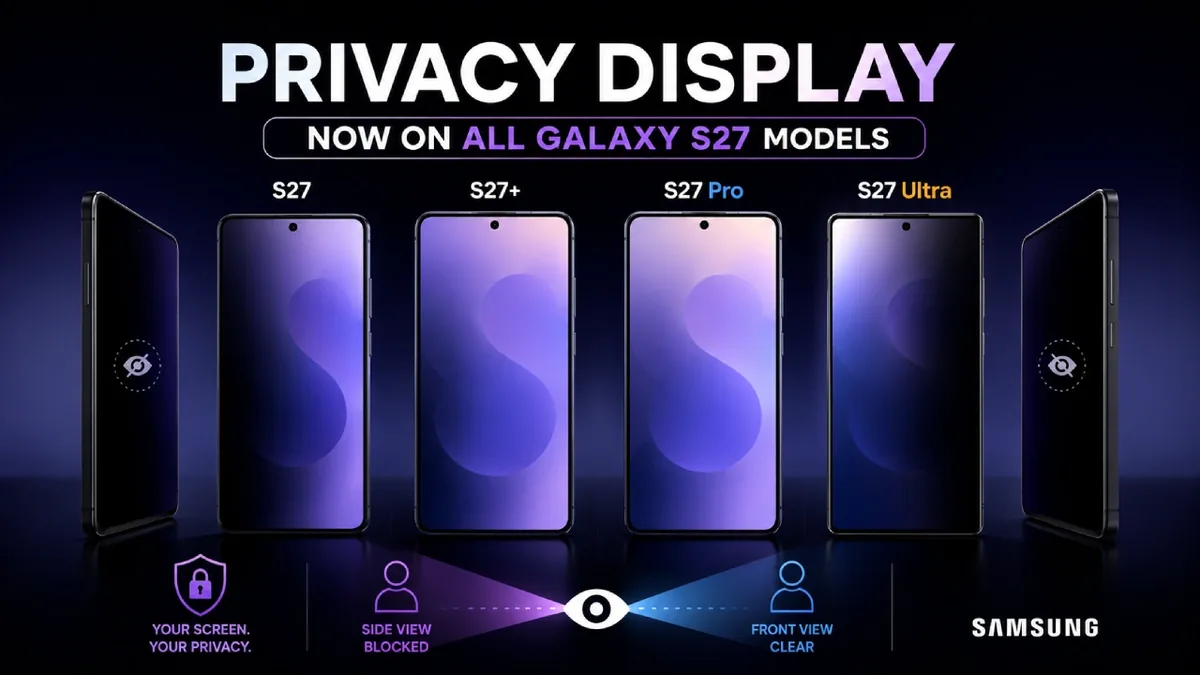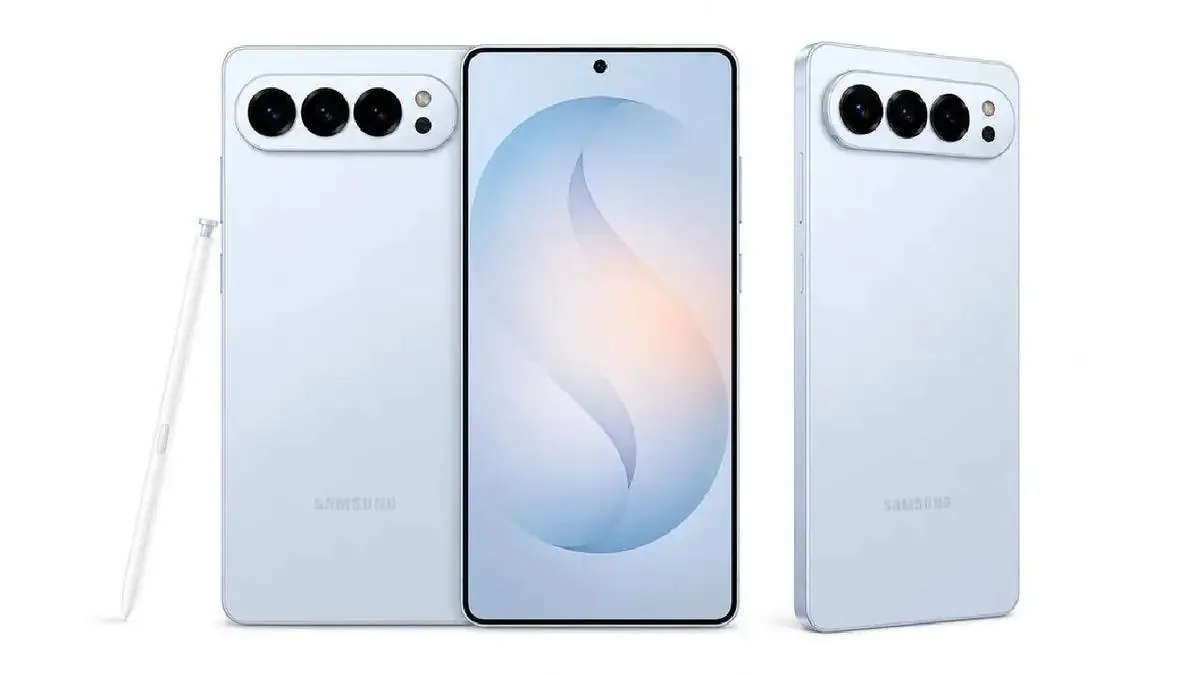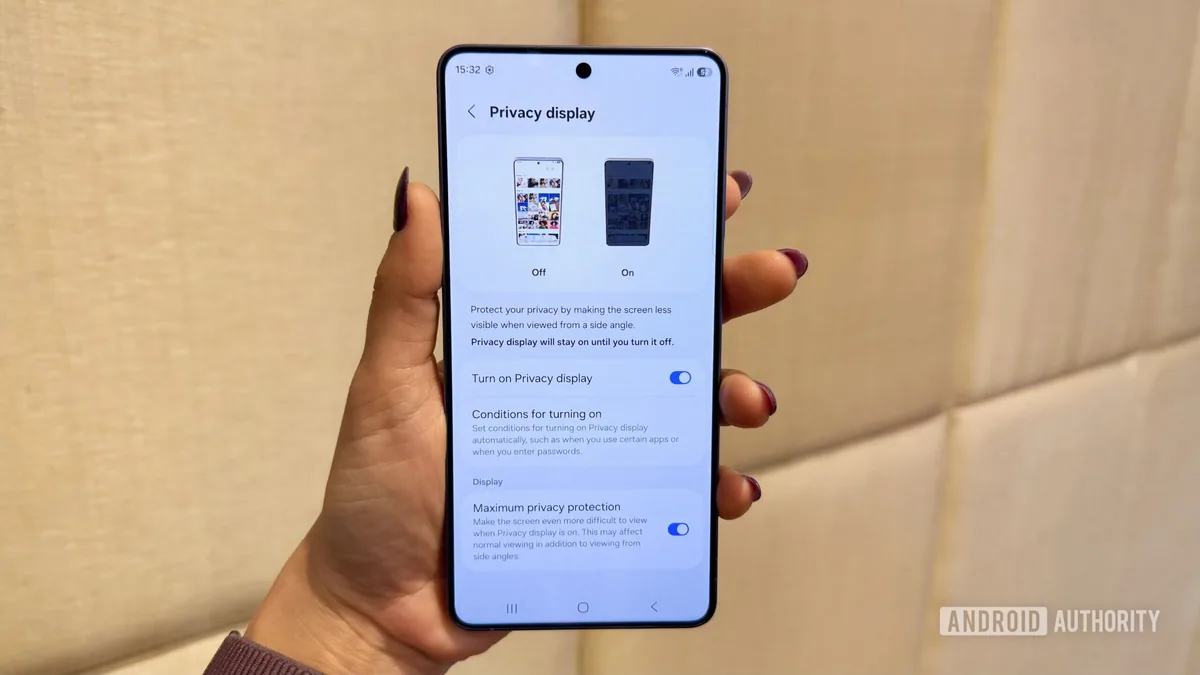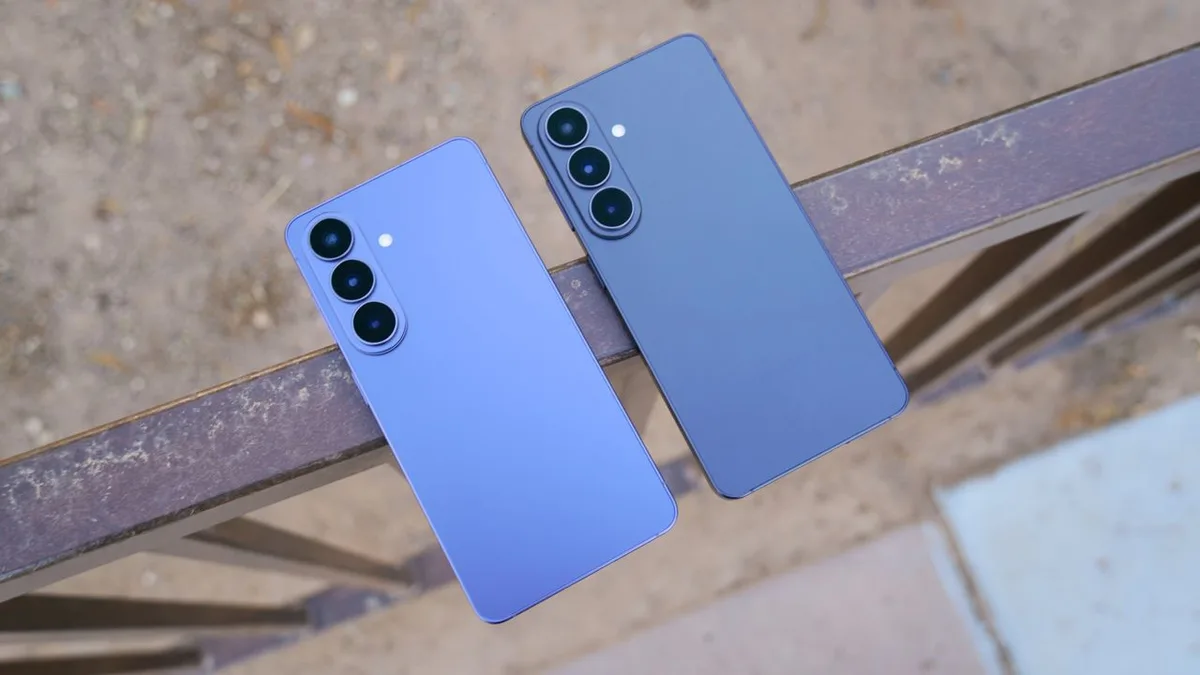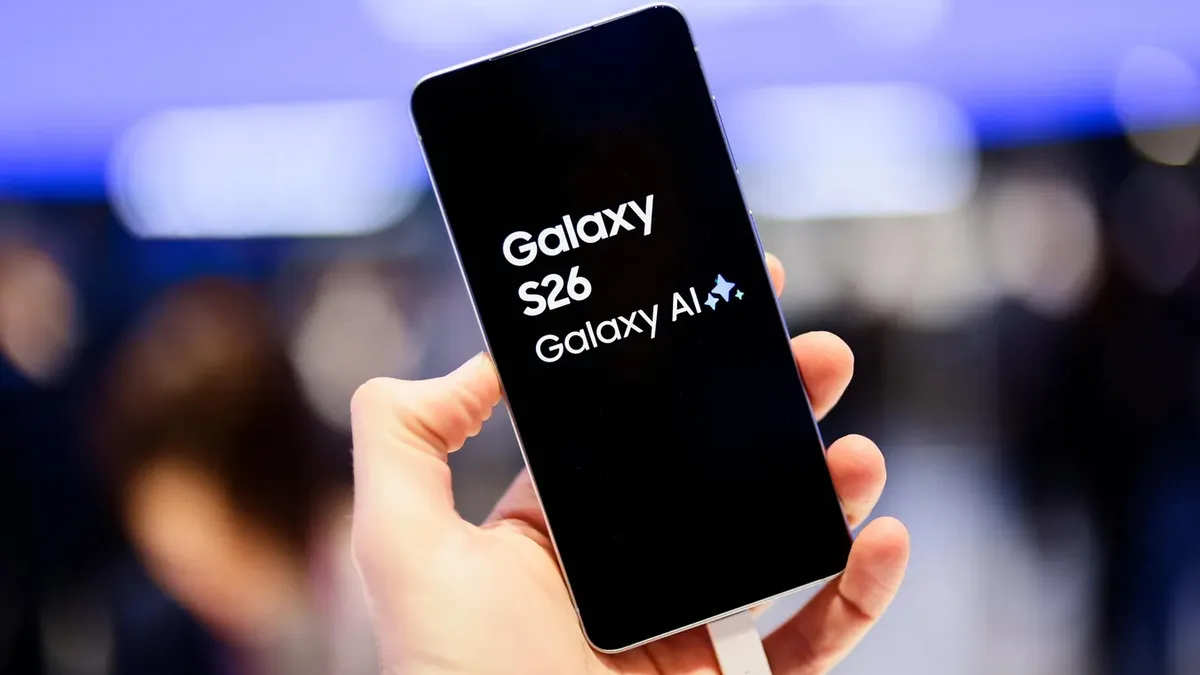
A Galaxy S27 privacy display leak is notable because smartphone privacy is usually treated as software. Samsung may be preparing to make it a visible hardware feature, turning shoulder-surfing protection into something buyers can understand immediately.
Privacy screens are not new, but building the idea into a flagship display would be different from sticking on an accessory film. If Samsung can control viewing angles through hardware and software, it could make private mode feel cleaner and less visually punishing.
The thread also links naturally to our earlier look at the Galaxy Z Fold 8 specs leak. For this post, Galaxy S27 Privacy Display Leak Points To A More Private Samsung Flagship makes that connection specific to Forbes: the rumor or report is only useful when it is read beside product timing, component pressure, and the user trust problem around Galaxy S27.
The current report from Forbes reports leaked Galaxy S27 privacy-screen specifications that suggest Samsung is exploring a more integrated privacy display approach. That source detail gives the article a concrete starting point, but the bigger value is in reading what the report says about the product category around it.
For commuters, travelers, and office users, the benefit is practical. Phones now show banking apps, work chats, health information, verification codes, and AI summaries. A display that reduces side visibility could become a real everyday advantage.
What makes this worth separating from a normal news brief is the way it changes near-term expectations. Galaxy S27 Privacy Display Leak Points To A More Private Samsung Flagship is really about timing, confidence, and execution. A small leak can be forgettable, but a leak that points to supply, policy, capacity, or launch positioning can shape how buyers and rivals prepare.
The engineering question is brightness and color quality. Privacy filters often reduce clarity or make screens less comfortable. Samsung would need a mode that protects side viewing without making the display feel dull when privacy is not needed.
This could also help Samsung differentiate a future flagship without relying only on camera upgrades. The premium phone market needs features users can feel in daily life, and privacy is easier to explain than another small processor gain.
Another angle worth keeping in mind is audience behavior around Forbes. People following Galaxy S27 Privacy Display Leak Points To A More Private Samsung Flagship are no longer waiting passively for official launch slides; they compare leaks, supplier moves, policy signals, and early pricing clues before deciding what to buy, build, or avoid.
The leak does not guarantee the feature will ship across every S27 model. Samsung may test it on a premium variant first, or the final implementation may differ from early specs.
If later One UI leaks mention quick toggles, app-specific privacy, or adaptive viewing modes, the feature will look more serious. Hardware privacy could become a quiet but useful flagship battleground.
The practical reading is therefore cautious but not dismissive. For Forbes, the headline is the new development. For readers following Samsung, the more durable point is whether the companies involved can turn that development into something reliable, understandable, and worth paying attention to after the first leak cycle fades.