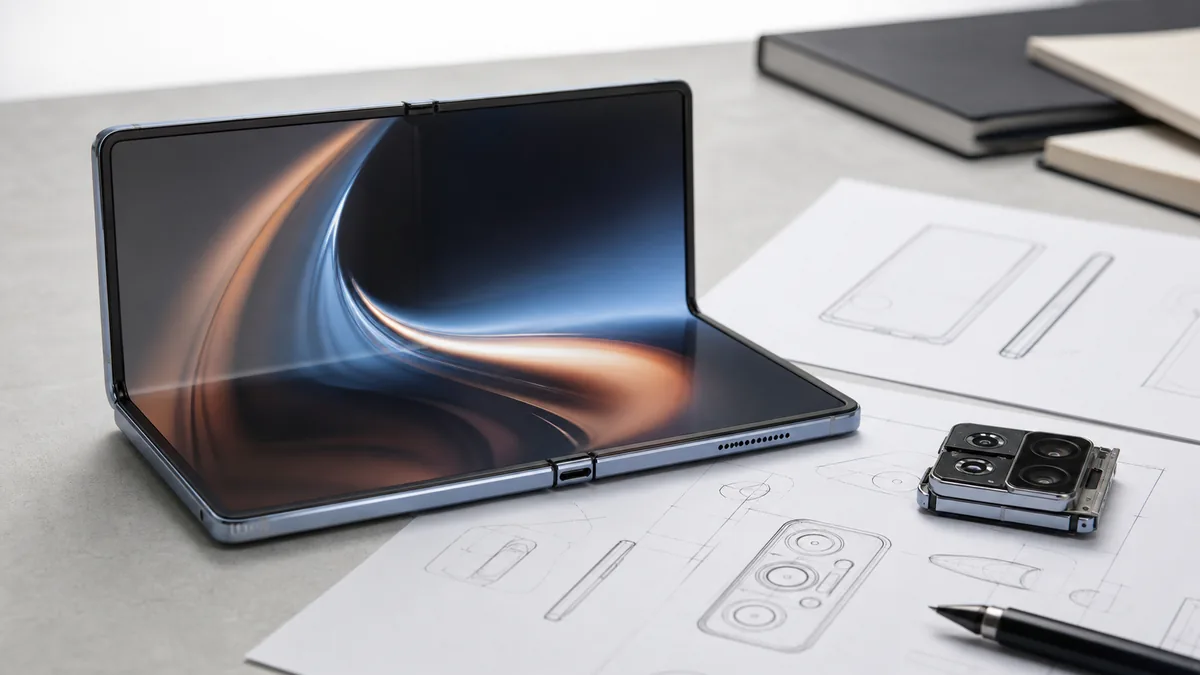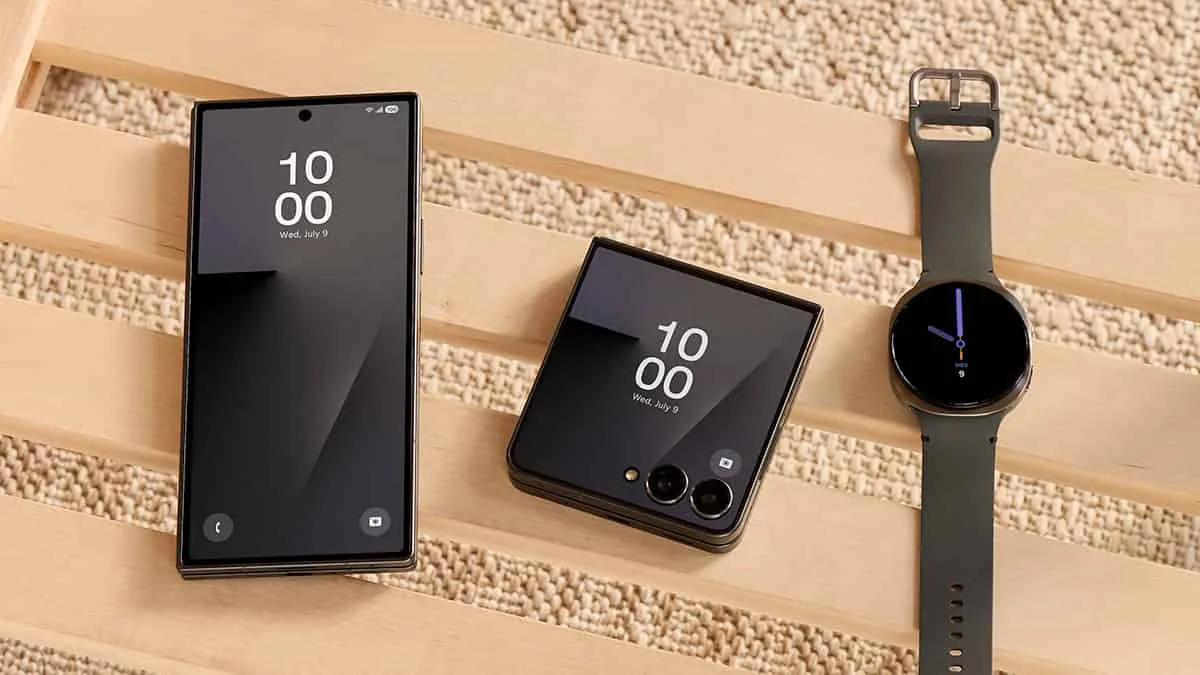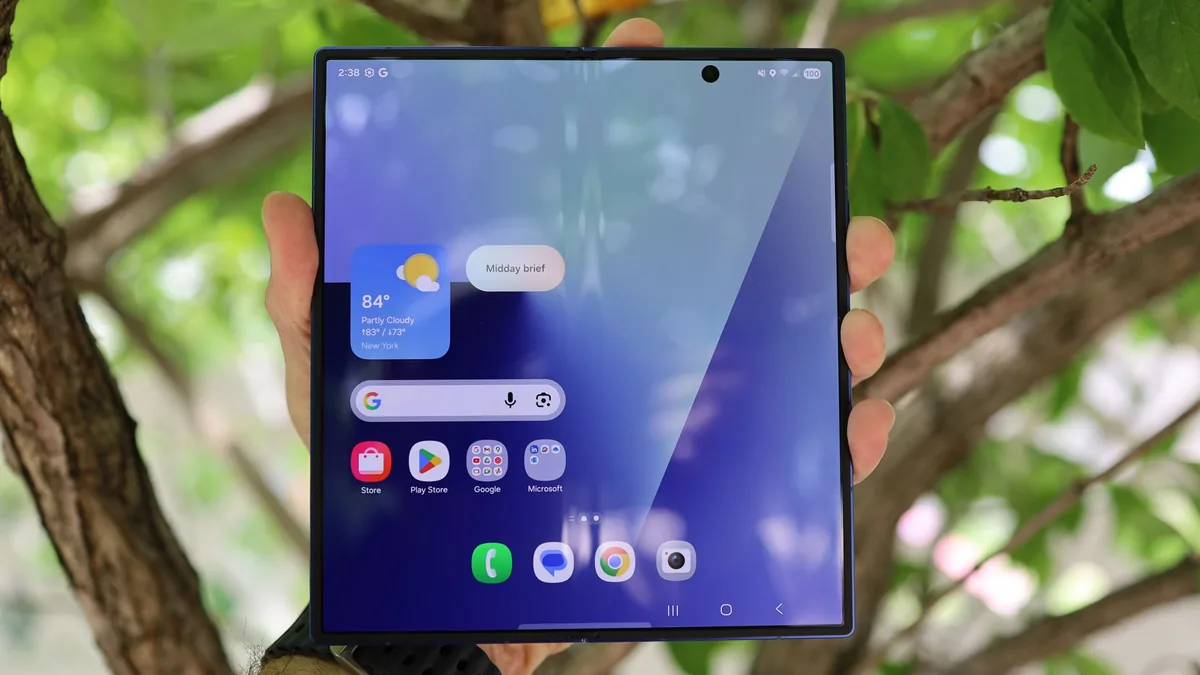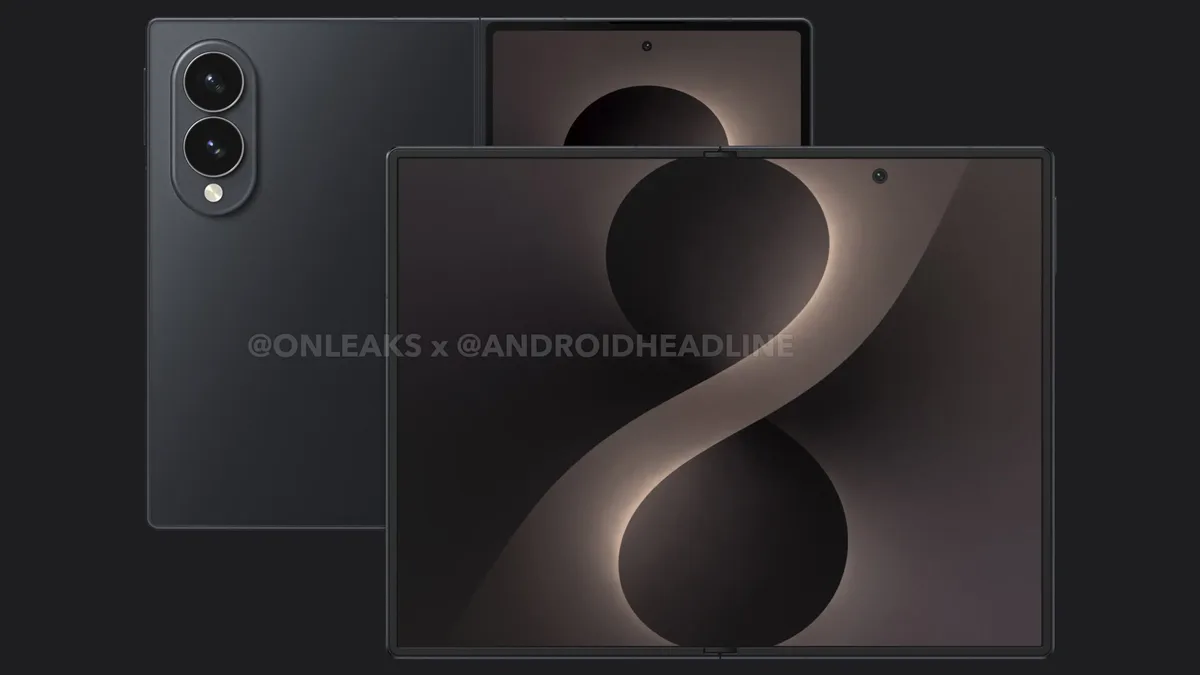
Samsung's Galaxy Z Fold 8 leak is interesting because it points at two very ordinary problems: weight and the display crease. Those are not the loudest numbers on a product page, but they shape every minute of ownership. A folding phone can have a fast chip and premium cameras, yet still feel tiring if it is too heavy in one hand or visually interrupted every time light crosses the inner panel.
That makes the rumor more believable than a wild camera claim. Samsung has spent years improving hinge durability, water resistance, software continuity, and app resizing. The next phase has to make foldables feel less like a tradeoff. A lighter body would make the phone easier to carry and use closed. A reduced crease would make reading, drawing, video, and multitasking feel more natural on the inner screen.
The broader foldable fight is no longer about proving that folding glass works. It is about removing the little annoyances that keep normal phone buyers away. That is why our Xiaomi MIX Fold 5 engineering leak coverage focused on practical upgrades like battery and camera work. Every major foldable brand is now trying to make its device feel complete rather than clever.
SammyGuru reported the latest Galaxy Z Fold 8 weight and crease claims, citing the possibility of major improvement in both areas. The final product could still differ, but the direction is sensible. Samsung has enough foldable experience to chase refinements that users notice without needing to reinvent the category.
Weight matters in a special way on foldables because the device asks to be used in multiple postures. It should work as a quick messaging phone, a small tablet, a camera, a reading device, and a travel screen. A few grams can change how secure it feels while walking or typing. If Samsung can trim mass without hurting battery life or strength, the Fold 8 would feel better before users even open it.
The crease question is more emotional. Many owners stop noticing it, but new buyers almost always see it first. A smoother inner display would make Samsung's premium foldable easier to sell in stores, where the first impression matters. It would also help with stylus use and brighter indoor lighting. Foldables do not need a perfectly invisible crease to succeed, but they do need the crease to stop feeling like the center of the story.
A practical Fold 8 improvement cycle would be healthy for Samsung. The company does not need to chase every dramatic design leak if it can fix the parts owners complain about. A lighter phone with a calmer crease would make the Fold line feel more mature, and that may be more valuable than a headline feature that only looks good during launch week.
There is another reason these two upgrades matter: they are easy to explain to someone who has never owned a foldable. Camera sensor names and hinge materials can get abstract quickly, but a lighter phone and a less visible crease make immediate sense. That is the kind of improvement that can help Samsung reach buyers who have been curious but hesitant. If the Fold 8 feels less bulky in a store demo and the inner screen looks cleaner under bright lights, the sales pitch becomes much simpler.