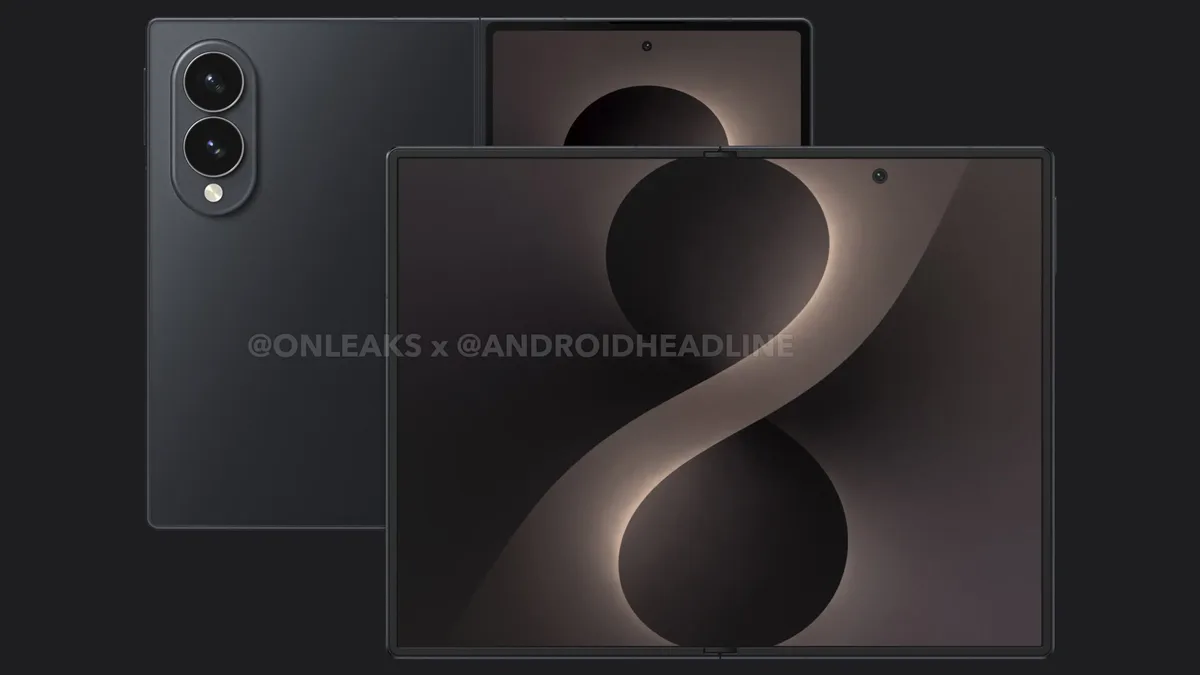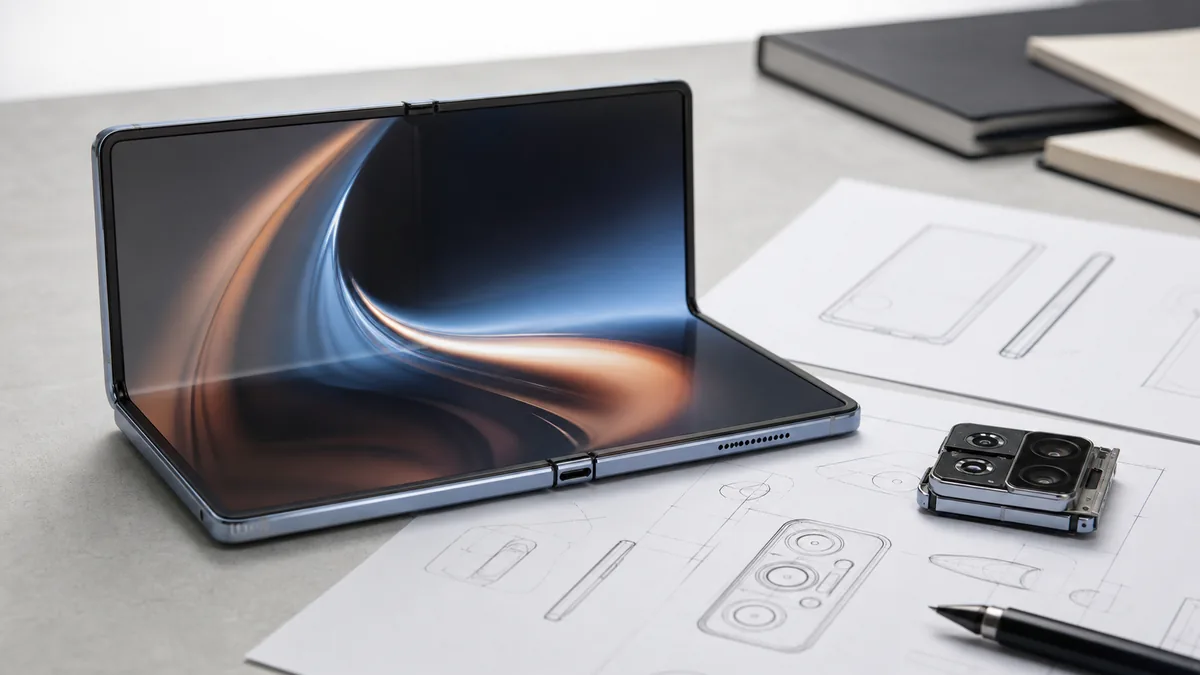
The Galaxy Z Fold 8 specifications leak puts Samsung back in the same difficult position every foldable maker knows well. A foldable has to be thin enough to carry, strong enough to trust, wide enough to use closed, and powerful enough to justify a flagship price. Every improvement pulls against another part of the design. That is why camera and display details matter together rather than as isolated bullet points.
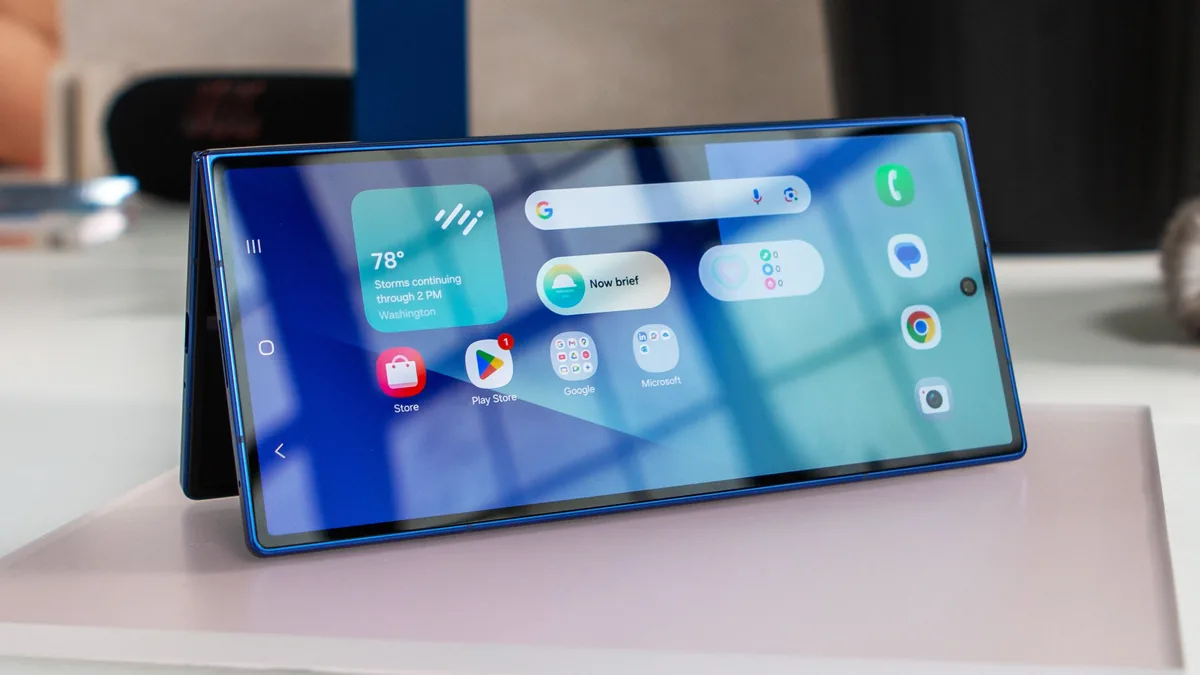
A larger or more practical display shape would solve one of the biggest Fold complaints. The outer screen has often felt less comfortable than a regular premium phone, while the inner screen is the main reason to buy the device. If Samsung adjusts the proportions, it could make the Fold 8 feel less like a compromise during quick tasks. That would be a bigger everyday upgrade than a small benchmark jump.
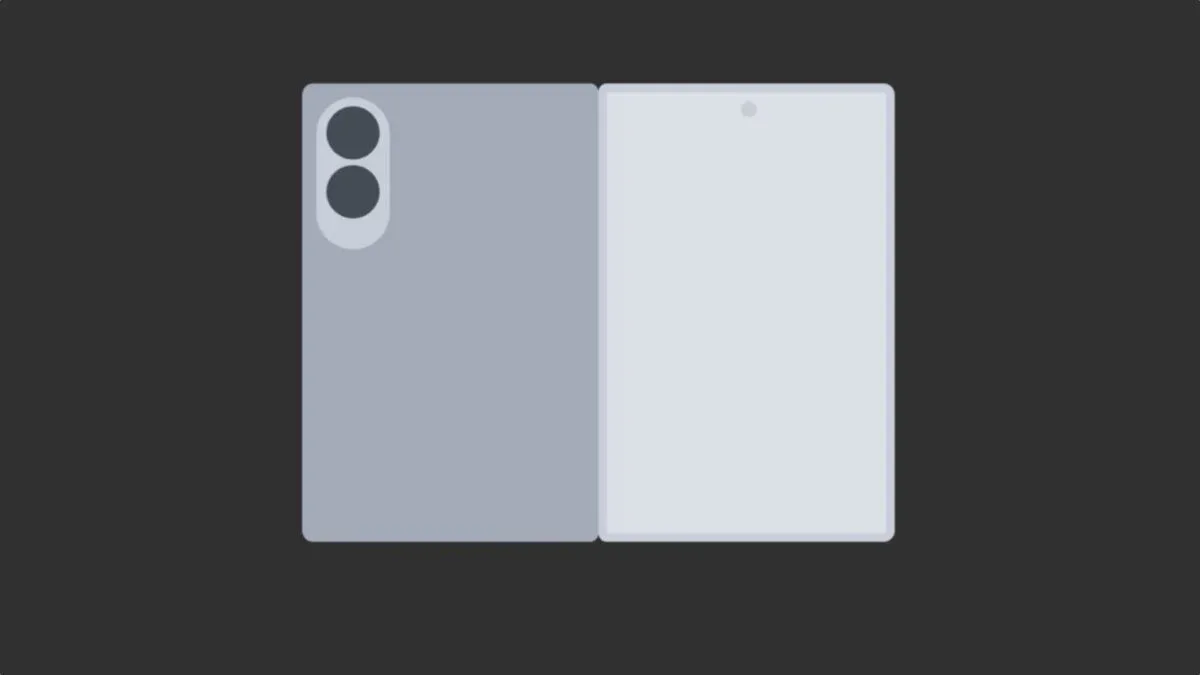
Cameras are harder. Fold buyers pay more than Galaxy S Ultra buyers, yet the Fold line has not always offered the absolute best Samsung camera system. Space is the obvious reason, but users still compare results. We recently covered a Galaxy Z Fold8 Ultra screen leak, and the same logic applies here: if Samsung is making the product more premium, the imaging story needs to keep up.
Gadgets 360 reports that Galaxy Z Fold 8 specifications have been tipped, including display and camera details. As with any pre-launch spec leak, the final retail hardware can still differ, but the reported mix is enough to show what Samsung may be prioritizing for the next foldable generation.
Battery life is the quiet deciding factor. A foldable with two screens, a powerful chip, and a slim body has little margin for wasted power. Samsung can improve efficiency through a newer processor, better display panels, and smarter software, but physics still matters. If the Fold 8 becomes wider or brighter, the company has to protect endurance without making the phone bulky.
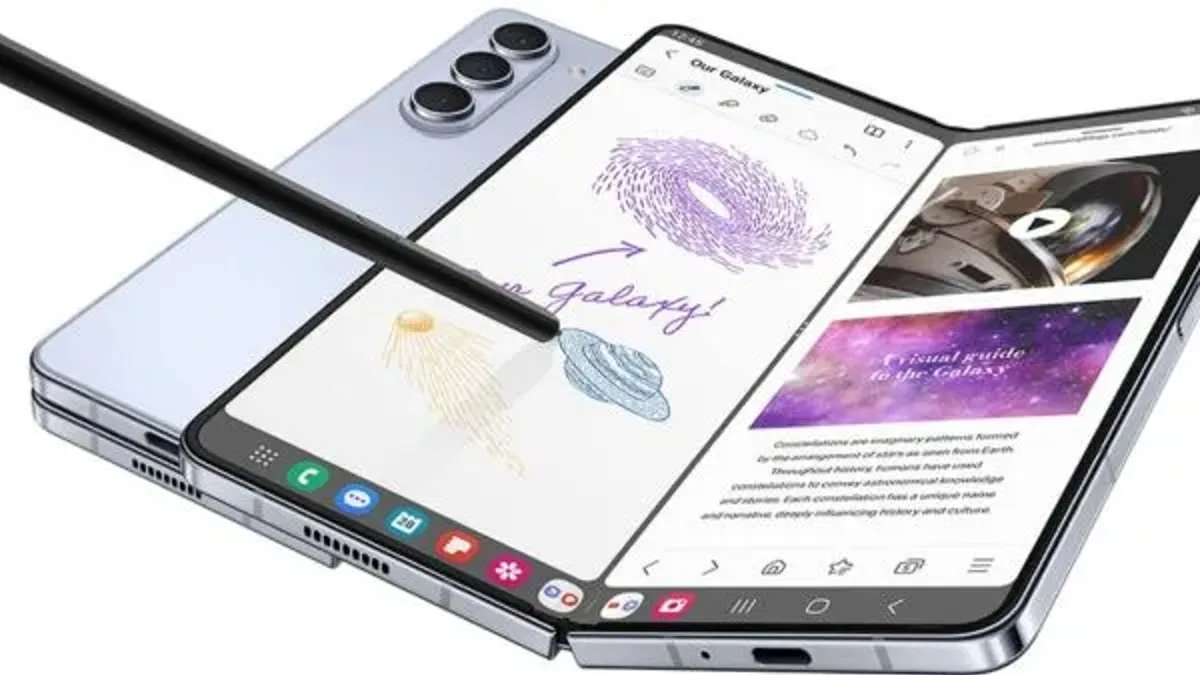
Software polish may be Samsung's best defense against hardware limits. The Fold line can deliver value through app continuity, split-screen workflows, drag-and-drop behavior, and desktop-like multitasking. If those features feel seamless, users may forgive a camera system that is strong but not Ultra-level. If the software still feels uneven, the hardware compromises become more visible.
The leak also raises a naming question. Samsung may be preparing multiple foldable variants, and each one needs a clear reason to exist. A standard Fold, a Wide model, and an Ultra-style device could make sense only if buyers immediately understand the differences. Otherwise Samsung risks turning its foldable lineup into the same kind of confusing ladder that phone makers have spent years trying to simplify.
For now, the Fold 8 specs leak suggests refinement rather than reinvention. That is not necessarily a problem. The foldable category needs fewer dramatic promises and more practical fixes. If Samsung improves the closed-phone experience, keeps the inner screen excellent, and avoids letting the cameras feel second-class, the Galaxy Z Fold 8 could be the kind of mature upgrade the category needs.
The most promising outcome would be a Fold that feels less defensive. Samsung should not have to explain why an expensive foldable gives up too much in one area to gain in another. A mature Fold 8 would let buyers focus on what the form factor adds, not on which flagship features were sacrificed to make the hinge possible.