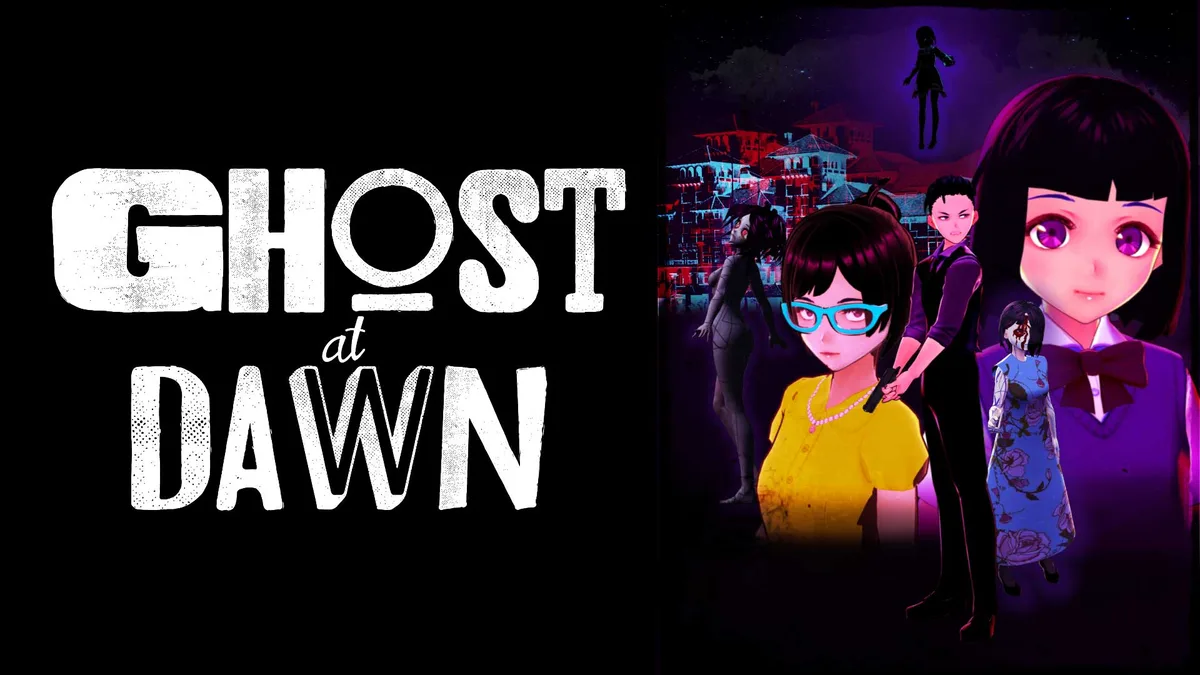
Horror games often sell fear first. They promise darkness, pursuit, tension, strange spaces, and the possibility that the player is making a terrible mistake. Ghost at Dawn seems to be aiming for something more specific: fear tied to empathy. That is a useful distinction because the most memorable horror games are rarely only about being startled. They are about being forced to care while the game makes caring uncomfortable.
For Xbox, a game like this matters because indie horror gives the platform texture. Big first-party releases and subscription catalog deals get the headlines, but smaller games often give players a reason to browse, experiment, and talk about something unexpected. A storefront full of only the largest franchises can feel efficient but flat. Indie games make a platform feel alive.
The premise also shows how modern horror has widened. Developers can still use gore, pursuit, and shock, but many are more interested in moral pressure, unreliable spaces, and character vulnerability. Questionable choices become part of the tension. If a game can make the player wonder whether they are helping, harming, or misunderstanding someone, it can create a more durable kind of fear.
Xbox Wire published a creator-focused look at Ghost at Dawn, framing the game around fear, empathy, and difficult decisions. That kind of platform blog post is partly promotional, but it also gives smaller developers space to explain what their game is trying to do beyond a trailer hook.
The story connects with the broader platform question raised in our piece on Xbox hardware and business pressure. If Xbox is becoming more than a console box, discovery and identity matter even more. A strong indie pipeline can help the brand feel distinct across console, PC, and cloud.
Horror is also a good fit for smaller teams because atmosphere can matter more than scale. A focused location, a strong audio design, and a few unsettling systems can do more than an expensive open world. That does not make development easy, but it lets a small studio compete on mood and intent rather than asset count. Players often remember the strange indie game that surprised them more than the polished sequel they expected.
The risk is that creator statements can promise more emotional depth than the final game delivers. Empathy needs mechanics, pacing, and consequence. If the player is only told that choices matter, the theme can feel thin. If the game actually uses information, vulnerability, and decision-making to shape tension, the premise can become powerful.
Ghost at Dawn is worth watching because it sits at the intersection of horror, indie discovery, and platform identity. Xbox needs large releases, but it also needs games that make players stop scrolling. A horror story built around empathy can do that if it treats fear as more than a jump scare and choices as more than menu decoration.
For the developer, the opportunity is focus. A smaller horror game does not need to answer every trend in the genre. It needs a memorable premise, disciplined pacing, and a reason for players to talk about what they did afterward. If Ghost at Dawn can make its empathy theme playable, it can stand out in a crowded release calendar.