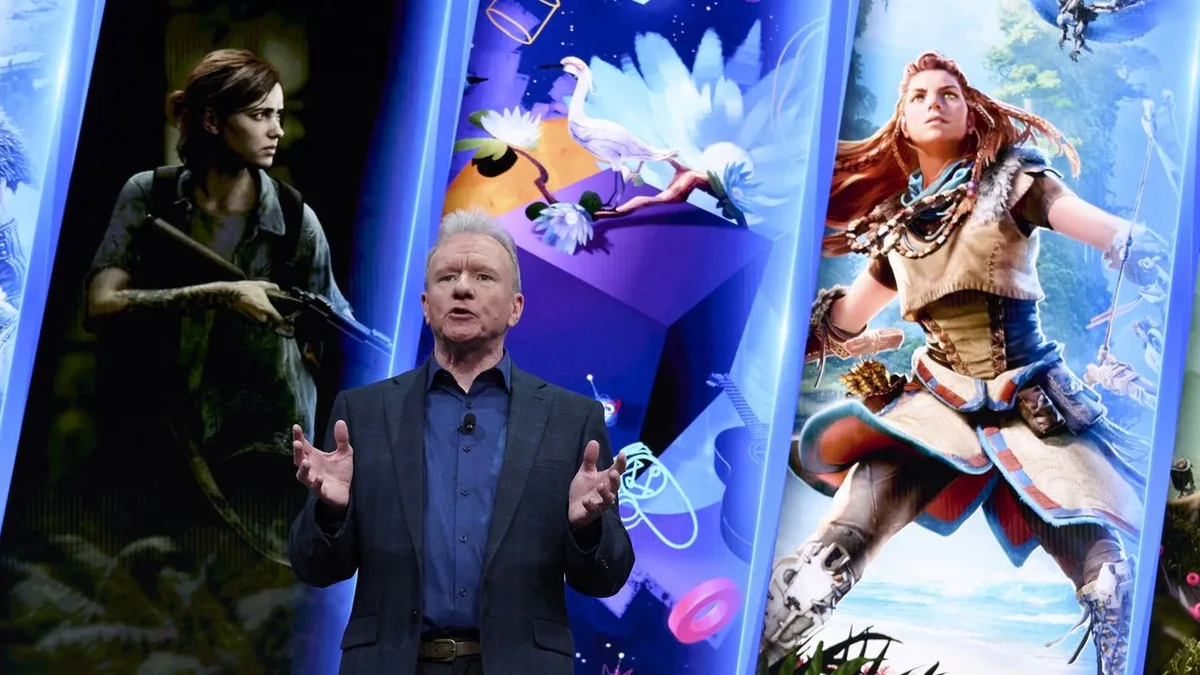
Sony's relationship with PC gaming has always been watched closely because it reveals how the company thinks about PlayStation's boundaries. When more first-party games came to PC, many players saw it as a permanent widening of the ecosystem. If strategy language now gives less attention to PC and more attention to AI, that does not automatically mean a full retreat. It does suggest Sony wants to control the story differently.
The AI emphasis makes sense from a corporate view. Game development is expensive, timelines are long, and platform holders are looking for tools that can improve production, personalization, storefront discovery, support, and visual fidelity. AI promises efficiency across many parts of the business. The problem is that players hear those promises through a more skeptical filter.
Gamers worry that AI can become a substitute for craft, a way to reduce labor, or a source of generic content. Developers worry about creative control, training data, and production pressure. Sony has to explain AI as a tool that supports better games, not as an excuse to make games cheaper while charging more. That distinction will decide how the message lands.
PC Gamer reported that Sony removed a previous PC reference from an annual strategy discussion while adding stronger language around AI. The change is small in wording but large in signal because platform strategy is often read through tiny edits.
This shift lands in the same market that is waiting on massive releases like the one discussed in our GTA 6 pricing and launch pressure coverage. Premium games are becoming higher-risk products. Platform owners want tools that can reduce friction and increase returns, but players still judge the final experience, not the internal efficiency story.
PC players will especially watch what happens next. Sony has built an audience on Steam and other PC storefronts. Pulling back too far could leave money on the table and disappoint players who now expect late but steady ports. At the same time, keeping more exclusives tied to PlayStation can protect console identity. Sony has to balance reach against differentiation.
AI could also become part of the player experience rather than only the development process. Better recommendations, accessibility, moderation, upscaling, localization, and adaptive help can all improve games if they are implemented carefully. The issue is not whether AI appears in gaming. It is whether it appears in places where users can feel the benefit without losing confidence in human authorship.
The strategy edit is not a final verdict on Sony's PC future, but it is a reminder that the platform conversation has changed. A few years ago, the question was how far PlayStation games would travel beyond the console. Now the question is how AI, exclusivity, production cost, and player trust fit together. Sony needs a clear answer before fans fill the silence themselves.
The company also has to avoid making AI sound like a replacement for platform ambition. Players want better games, smoother services, and clearer release plans. If AI helps deliver those things, the message can work. If it appears while PC support becomes less predictable, the technology may become a symbol of corporate priorities that players did not ask for.