The delay of Phantom Blade Zero is being framed by some observers as a scheduling battle with GTA 6, but the more important story is technical. S-GAME director Liang Qiwei says the move is about product quality, bug fixing, and performance optimization. That is the right message for a PC release in 2026. Players have become less tolerant of ambitious games that launch with shader stutter, broken scaling, or hardware requirements that feel detached from the real market.
The hardware context matters. PC components are expensive, memory pricing is volatile, and many users are stretching older graphics cards longer than planned. A game that looks spectacular only on high-end hardware can still fail the trust test if the wider audience receives a compromised experience. Liang's comments suggest the studio understands that optimization is not a secondary polish pass. It is part of the product itself, especially for action games where timing, animation response, and frame pacing affect playability.
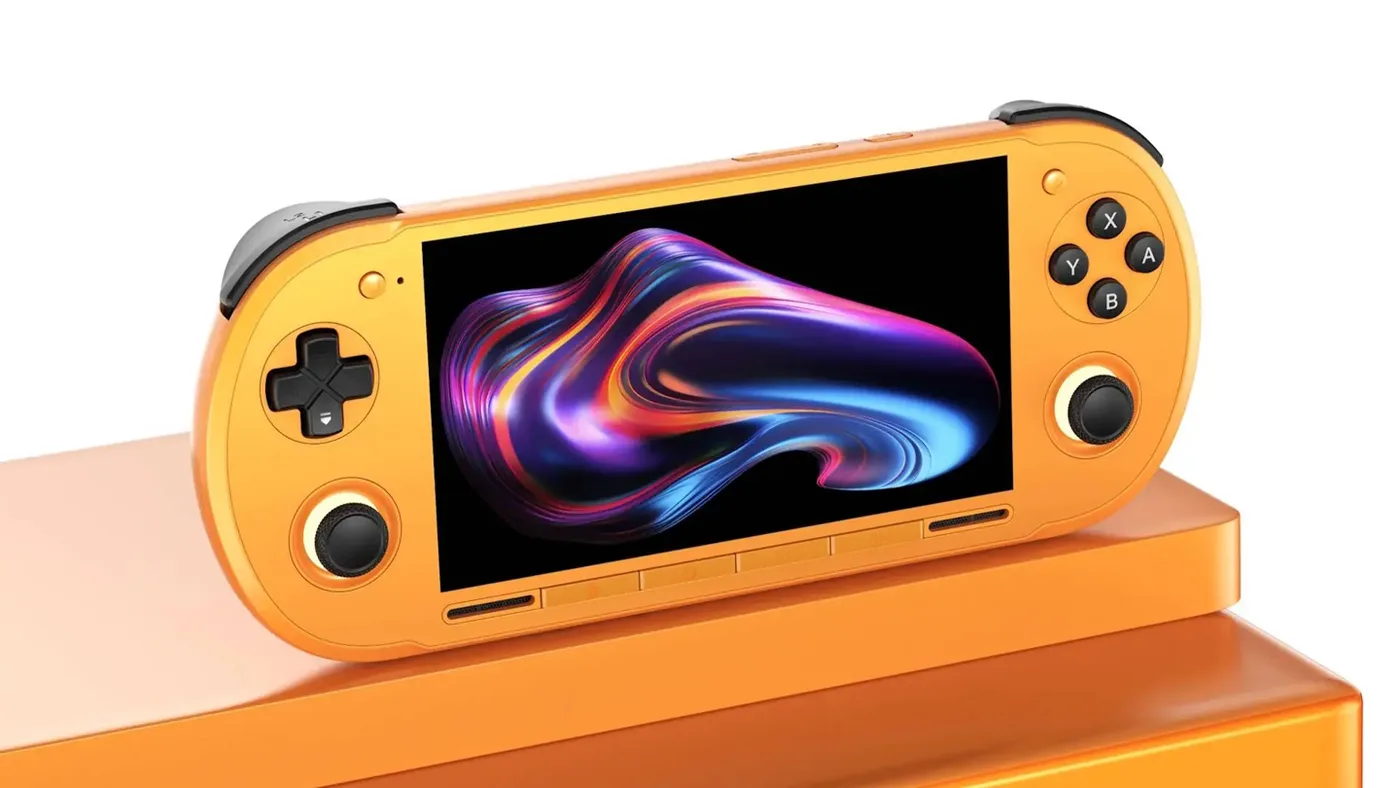
That is also why Steam Deck support is more than a marketing badge. Making a demanding action game work on lower-power handheld hardware forces a studio to confront CPU scheduling, memory use, asset streaming, input latency, and scalable visual settings. It is the same practical problem we see across handheld gaming coverage, including our look at portable gaming PC performance. Good optimization travels upward; poor optimization punishes everyone below the flagship tier.
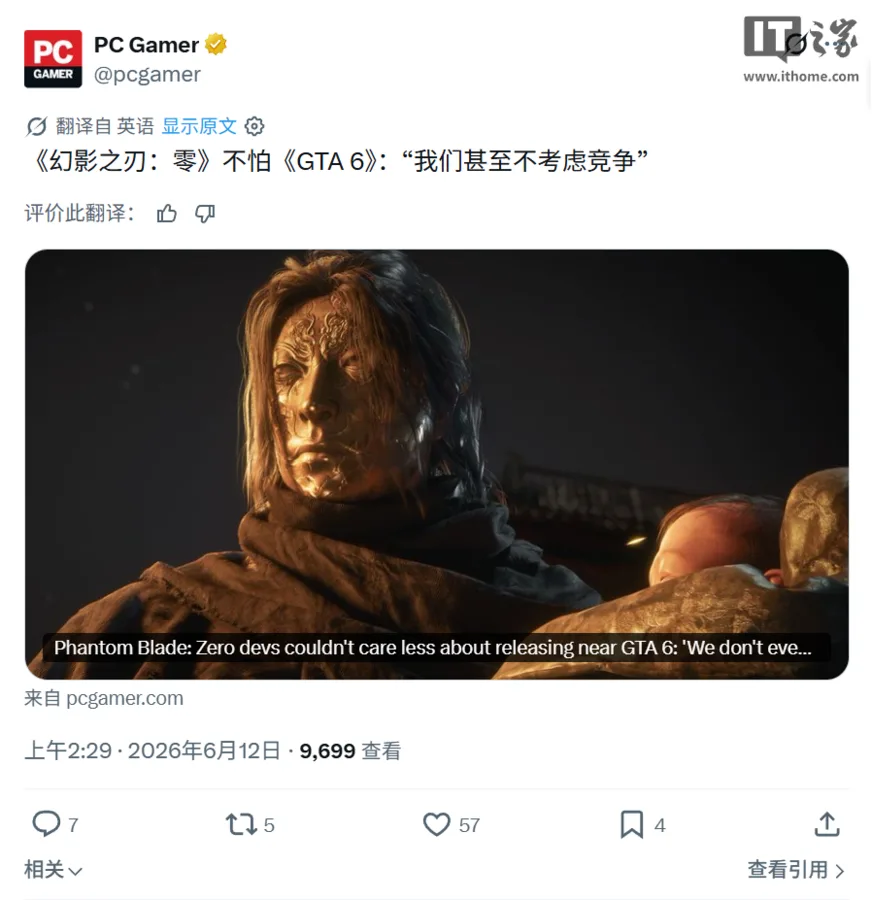
The Chinese report from IT Home says Phantom Blade Zero moved from a September 9 launch date to October 29, 2026. Liang told PC Gamer that 99 percent of the decision came from internal development needs, not GTA 6, and said the extra time would go toward fixing bugs, improving performance, and upgrading some art assets.
The scheduling question is still real. Launching near GTA 6 will make attention harder to win, and no studio can fully ignore the biggest release on the calendar. But a polished game can survive a noisy window better than a rushed one can survive technical backlash. The last few years have shown that PC communities will forgive delays more readily than bad first impressions. Performance videos, Steam reviews, and social clips define a launch faster than official trailers do.
Phantom Blade Zero's situation is therefore a useful case study. A studio with global ambitions cannot rely only on visual style or combat trailers. It needs a version that runs well across real machines, including systems that are not brand new. If S-GAME uses the delay to make the game smoother, more scalable, and less dependent on ray tracing, the later date may be a strength rather than a retreat. In modern PC gaming, optimization is not the final chore. It is part of the pitch.
The studio also has a chance to use the delay for communication, not only coding. PC players respond well when developers explain settings targets, minimum hardware expectations, upscaling support, frame-rate goals, and handheld compromises before launch. If S-GAME can show credible performance work instead of vague polish language, the delay becomes easier to defend. In a crowded release calendar, transparency can be almost as valuable as a new trailer.