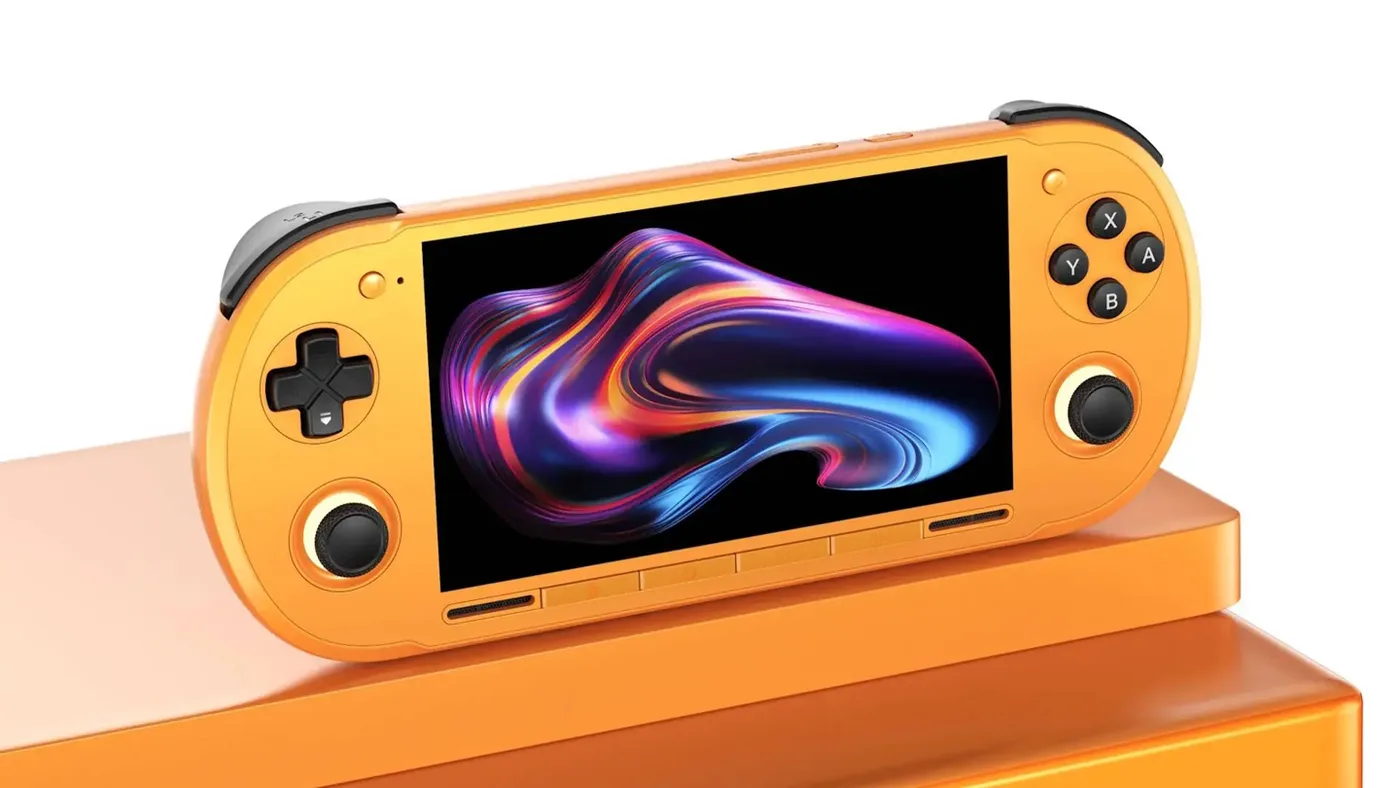
Retroid bringing back the 12GB version of the Pocket 6 sounds like a simple product update, but the details say more about the state of handheld gaming hardware. The company is restoring the higher-memory option after previously pulling it because of rising memory costs. The catch is that the returning model now pairs 12GB of RAM with 128GB of storage instead of the earlier 256GB configuration. Buyers get the memory tier they wanted, but the bill of materials has clearly forced a tradeoff.
That tradeoff is becoming common across the device industry. Handheld gaming systems sit in an awkward place between phones, tablets, mini PCs, and consoles. They need enough RAM for Android gaming, emulation, multitasking, and heavier front ends, but they also need to stay affordable. When memory prices spike, small hardware brands have fewer options than giants with long-term supply contracts. They either raise prices, cut storage, reduce variants, or accept weaker margins.
The Pocket 6 case is especially interesting because enthusiasts pay close attention to configuration details. A 12GB RAM model can make the device feel more future-proof, especially for demanding emulation and native Android titles. Storage is easier to expand if the device keeps a microSD slot, so Retroid appears to be protecting performance perception while shifting capacity burden to the user. That mirrors the wider handheld conversation we covered in Intel handheld gaming support on SteamOS, where software and component costs are starting to define the category.
IT Home reports that Retroid announced the return through Discord. The new 12GB RAM version uses 128GB of storage, keeps microSD expansion, comes only in the left-stick-high layout, and is offered in black, silver, and 16-bit color options. The listed price is $279, the same as the earlier 12GB and 256GB version.
The unchanged price is the sharpest part of the story. It means buyers are absorbing the memory shock through reduced built-in storage rather than a visible price hike. That may be easier to market, but it is still a cost increase in practical terms. Users who need more local storage will buy a card, and not all cards perform equally when loading larger games or handling shader caches. The spec sheet remains attractive, yet the total ownership cost may rise for serious users.
Retroid's decision also hints at how the next wave of handhelds may be segmented. Companies will likely push RAM as the headline spec while making storage more flexible, because storage can be expanded and RAM cannot. For a niche enthusiast product, that is a rational compromise. It also shows that the memory squeeze is no longer just a PC builder problem. It is reaching small gaming devices, portable consoles, and every product category that depends on fast commodity components.
The user reaction will likely depend on expectations. Buyers who already planned to use large microSD cards may see the 128GB cut as acceptable. Buyers who wanted the older 256GB configuration at the same price will see it as a downgrade created by supply conditions rather than product strategy. Either way, Retroid has made the component squeeze visible. Small handheld makers can no longer hide behind simple annual refreshes when memory pricing changes the economics of every configuration.