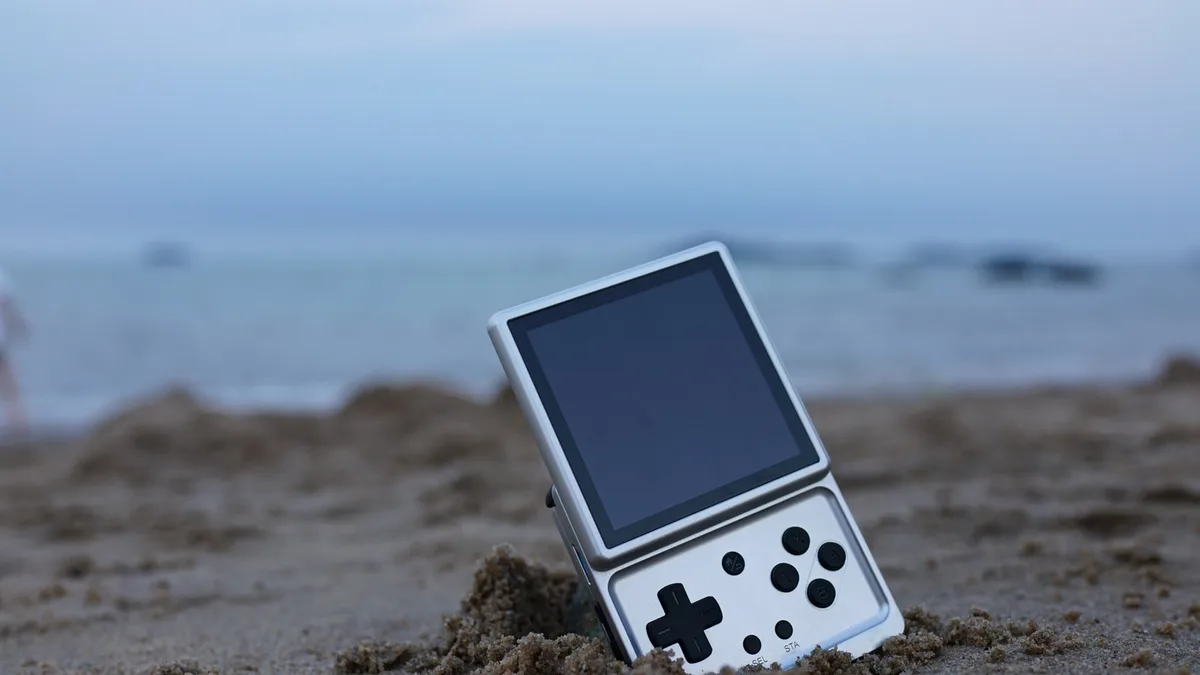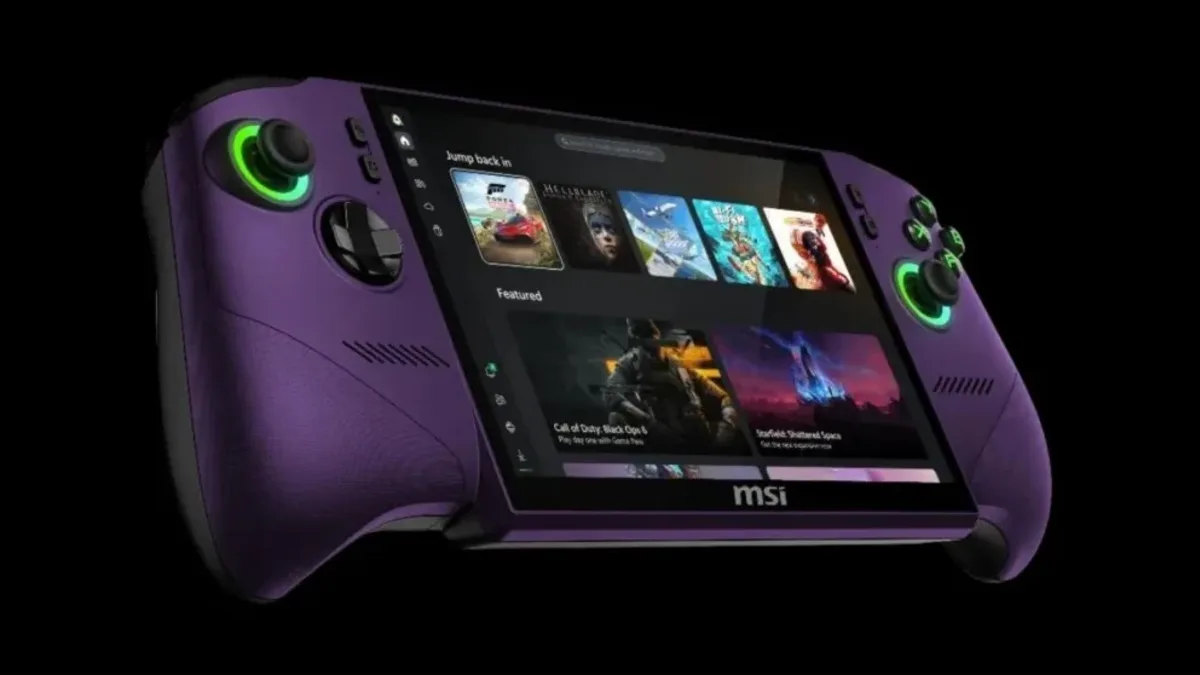
SteamOS is slowly becoming more than the operating system of the Steam Deck. The 3.8.7 beta update is a meaningful step because it adds official controller support for MSI Claw handhelds, including Intel-based models. That gives the handheld PC market a clearer Linux path outside Valves own hardware.
Intel handhelds have had a difficult road compared with AMD-powered devices. Performance, driver maturity, power behavior, and game compatibility all matter more in a handheld than in a desktop because every watt turns into heat and battery drain. SteamOS support can help if it reduces Windows overhead and gives users a console-like interface.
The update is not only about MSI. Valve is also improving compatibility for other third-party handhelds, including Asus ROG Ally, ROG Xbox Ally, Lenovo Legion Go, GPD, and OneXPlayer devices. The bigger goal appears obvious: SteamOS should become a credible platform layer for the whole handheld PC category.
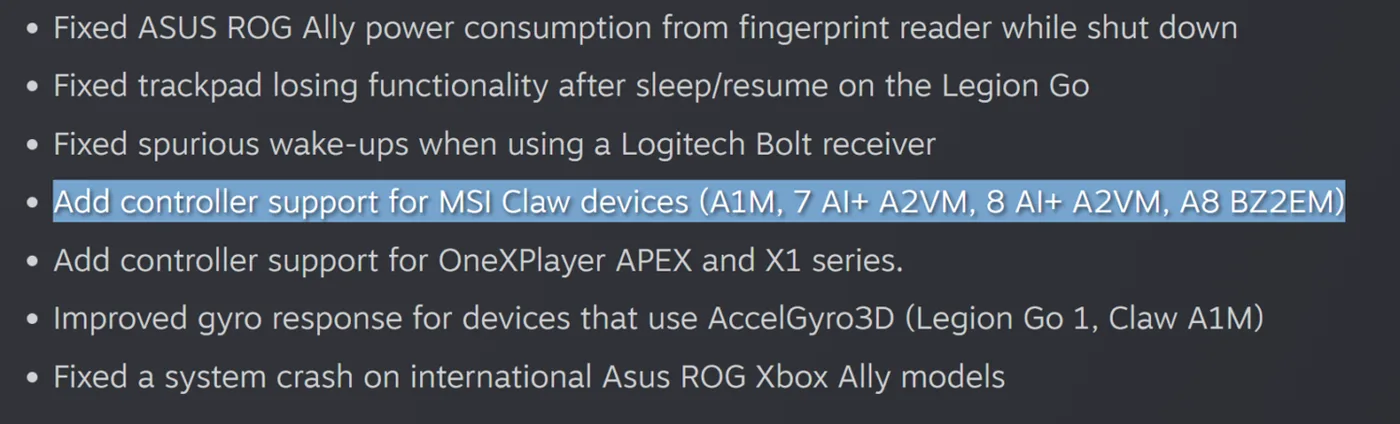
IT Home reported that SteamOS 3.8.7 beta adds official controller support for MSI Claw A1M, Claw 7 AI+ A2VM, Claw 8 AI+ A2VM, and the AMD-based Claw A8 BZ2EM. The report also says Valve included initial firmware for new Intel handhelds and improved support for newer Intel and AMD platforms.
The performance angle is what will get enthusiasts talking. The report cites testing from ETA Prime using an MSI Claw 8 AI+, where SteamOS behavior on Intel hardware was described as close to daily usable. It also references 15W gaming results where Intel hardware reportedly looked better than expected against the Steam Deck in some demanding games.
That matters because we recently covered Intel Arc G3 handheld momentum. Intel needs more than raw silicon to win in portable gaming. It needs drivers, firmware, power tuning, operating system support, and a user experience that does not feel experimental.
For handheld makers, official SteamOS progress changes the product planning conversation. A Windows handheld can run almost anything, but it often feels like a laptop squeezed into a console shell. A SteamOS option gives manufacturers a cleaner couch-and-travel experience for buyers who mainly live inside Steam. If Intel devices can offer both paths without awkward setup, they become easier to recommend to people who do not want to tune every setting manually.
That kind of simplicity is what helped the Steam Deck feel approachable despite ordinary PC complexity underneath.
Intel handhelds need exactly that kind of software trust to broaden their audience.
There are still reasons to be cautious. Beta support is not the same as polished consumer support. Sleep behavior, suspend-resume reliability, anti-cheat compatibility, dock behavior, refresh-rate switching, fan control, and per-game profiles all decide whether a handheld feels like a console or a tiny troubleshooting project.
Even so, this update is important. If SteamOS becomes a stable option across Intel and AMD handhelds, device makers gain a second software path and users gain more choice. Windows will remain important for compatibility, but SteamOS can give handheld PCs the quick-resume, controller-first, living-room feel that made the Steam Deck work. Intel now has a better chance to compete where software has been half the battle.