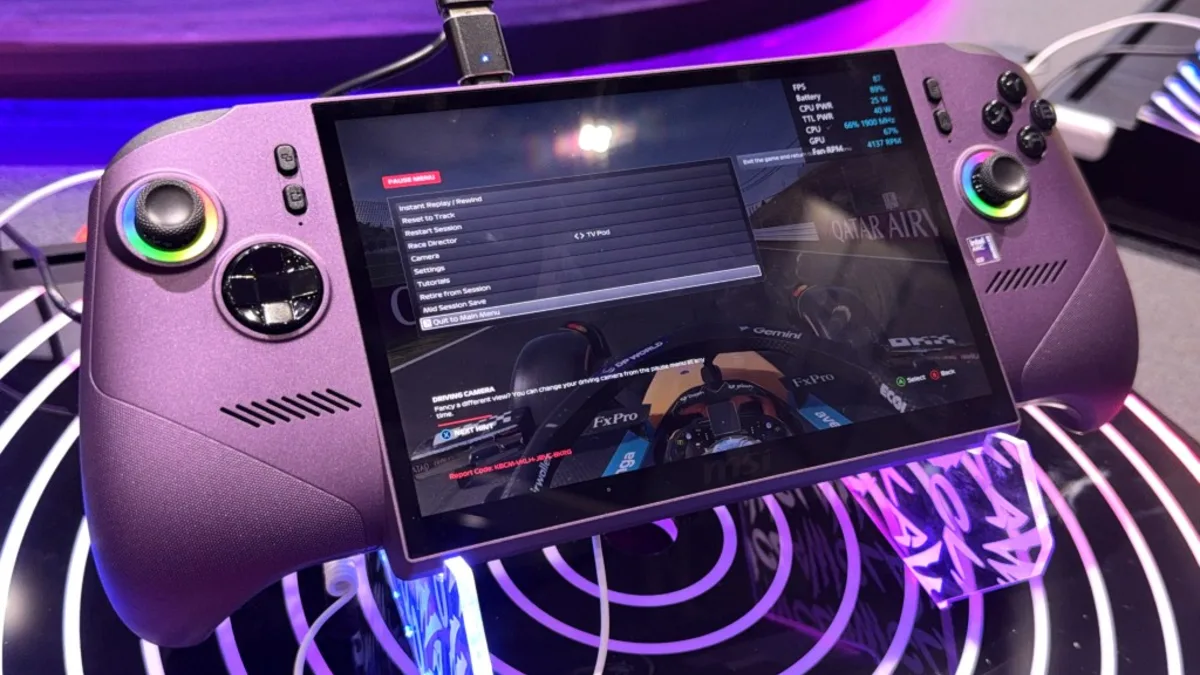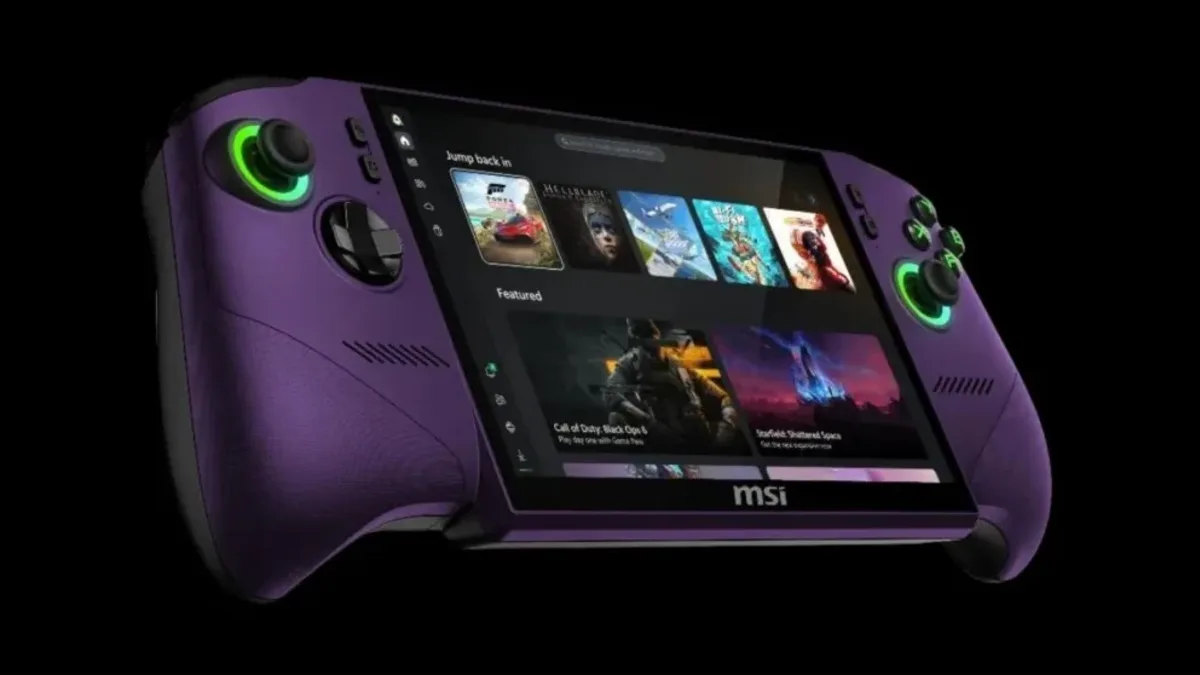
Portable gaming PCs were supposed to make PC gaming more accessible away from the desk. The newest pricing discussion around MSI high-end handheld shows how complicated that promise has become. A device priced around USD 1,800 is not a casual Steam Deck alternative. It is a premium portable computer, and that puts the entire category under pressure to justify its cost.
The price is not happening in isolation. Memory and storage have become more expensive across the technology industry, and handheld PCs are unusually sensitive to those parts. They need enough RAM for modern games, fast SSD storage, efficient chips, strong cooling, a good display, controllers, speakers, battery, and a compact chassis. When multiple parts rise at once, the final price climbs quickly.
That creates a difficult market split. Affordable handhelds win attention because they make PC games portable for more people. Premium handhelds promise better screens, stronger processors, more memory, and smoother performance, but they move closer to gaming laptop pricing. At USD 1,800, buyers start asking whether portability is worth giving up the bigger display, keyboard, and GPU headroom of a laptop.
cnBeta reported on MSI Claw 8 EX AI Plus pricing and comments suggesting costs may still rise. The report points to memory and storage costs as major reasons the device sits so high, while also noting that premium portable hardware remains difficult for manufacturers and buyers alike.
The story fits a broader gadget trend we have seen with phones as well. Our iPhone price hike report coverage focused on the same memory-cost problem from Apple side. The difference is that handheld PCs have less margin for compromise because game performance makes every hardware decision visible.
MSI also has a brand challenge. Enthusiasts may understand why a powerful handheld is expensive, but mainstream buyers compare the number with a console, a laptop, or a cheaper handheld. If the performance gap is not obvious, the premium model becomes a hard sell. Battery life is another issue. A faster portable PC that drains quickly can feel less useful than a slower one that lasts through a commute or flight.
The comments around further price increases may be the most worrying part. If manufacturers cannot count on stable RAM and SSD pricing, planning multiple handheld generations becomes harder. Companies may delay models, cut configurations, or push higher prices. That could slow the category just as more players are entering it. A market that began with excitement around value could drift into a niche for enthusiasts only.
None of this means premium handhelds are doomed. Some buyers want the best portable Windows gaming experience and will pay for it. But the MSI pricing report shows the category is reaching a crossroads. Portable gaming PCs need stronger value stories, better battery efficiency, and clearer performance advantages. Otherwise, high prices will make them impressive gadgets that many players admire but few actually buy.
The next successful premium handheld may need to prove value through endurance as much as speed. A high frame rate is easier to sell when the battery and thermals can sustain it.