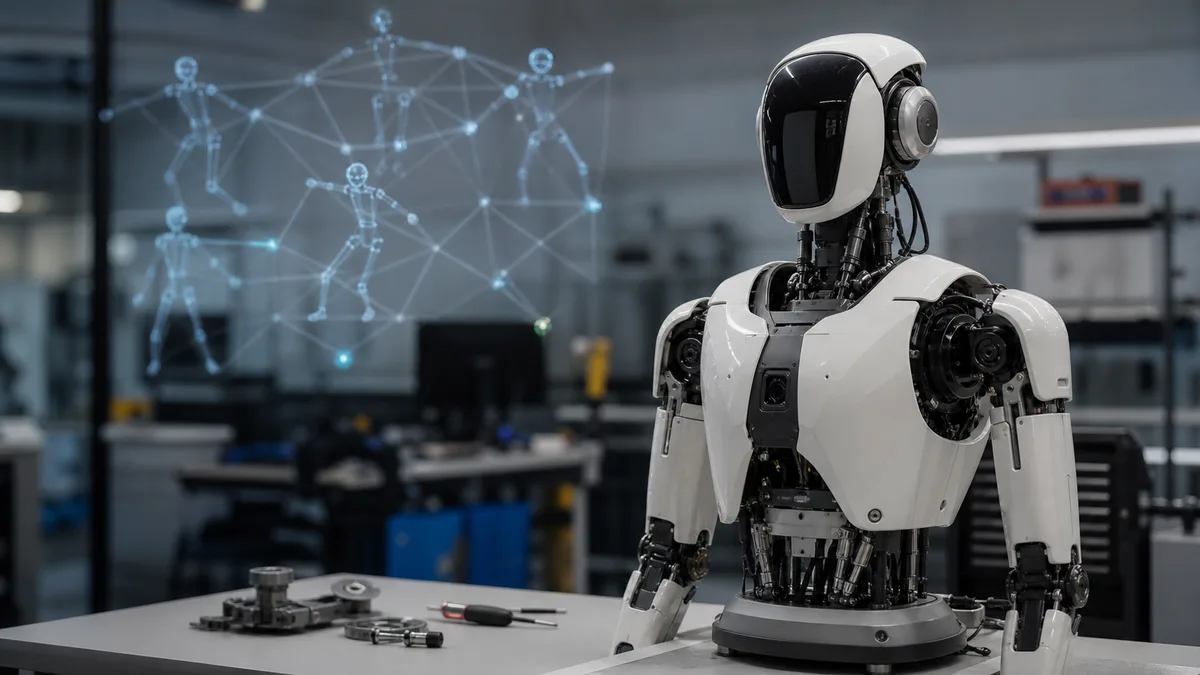
Consumer AI hardware has struggled with one basic problem: many devices can talk, but few feel worth living with. A new Chinese startup funding report around AI companion robots points to a different direction. Instead of treating the robot only as a speaker with a face, the company is blending IP design, physical movement, toy culture, and AI interaction. That may be closer to what consumers actually want.
The idea is not simply to make a smarter chatbot. A companion robot has to create attachment. That comes from appearance, personality, touch, motion, voice, and small repeated interactions. If the device feels cold or demanding, users stop using it. If it feels playful and easy to approach, it has a better chance of becoming part of a daily routine.
The report is also interesting because the team background crosses finance, DJI-style hardware engineering, toy IP design, and large model talent. That mix matters. Consumer robots are not only software products. They need reliable motors, safe materials, good battery life, expressive industrial design, and a business model that can survive after the first hardware sale.
36Kr reported that ZuzuZoos, an AI-native toy and companion robot brand, completed a Pre-A funding round worth tens of millions of yuan. The report describes early products built around original characters, small physical motions, emotional interaction, and a plan to connect hardware sales with software and IP-based services.
This is different from the simple AI gadget cycle we have seen elsewhere. Many first-generation AI devices promised productivity but struggled to beat phones. Companion robots may have a better path because they do not need to replace the phone. They need to offer presence. That is also why our coverage of robotic phone hardware experiments matters: motion is becoming a visible part of consumer gadget design again.
The business model will be difficult. Hardware margins can be thin, returns can be high, and emotional products must meet expectations carefully. If the robot is too limited, buyers feel misled. If it is too expensive, it becomes a novelty. The company appears to understand that software engagement, accessories, collectibles, and game-like features may be needed to keep users involved after purchase.
There is also a cultural angle. Companion robots may not need to look like serious productivity machines. They can look like designer toys, bag charms, desk pets, or small animated characters. That makes the product more personal and easier to gift. It also gives startups a way to avoid competing directly with humanoid robotics companies that are chasing industrial or home-assistant tasks.
The funding report does not prove the market is solved, but it shows consumer AI hardware is maturing. The next wave may not be about putting a voice assistant in another box. It may be about creating physical characters that people want near them. If companies can make those devices reliable, affordable, and emotionally convincing, companion robots could become one of the more interesting gadget categories of the next few years.
The winners will likely be the teams that treat hardware, story, and software as one product. A cute shell is not enough, and a smart model without charm is not enough either.