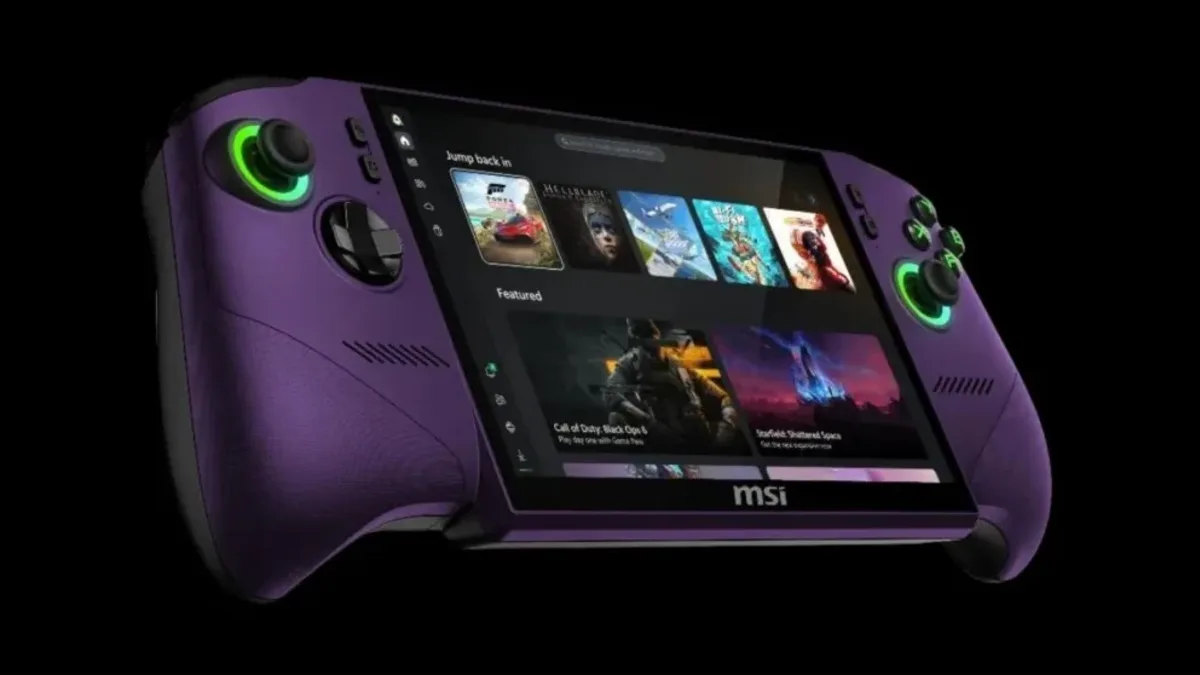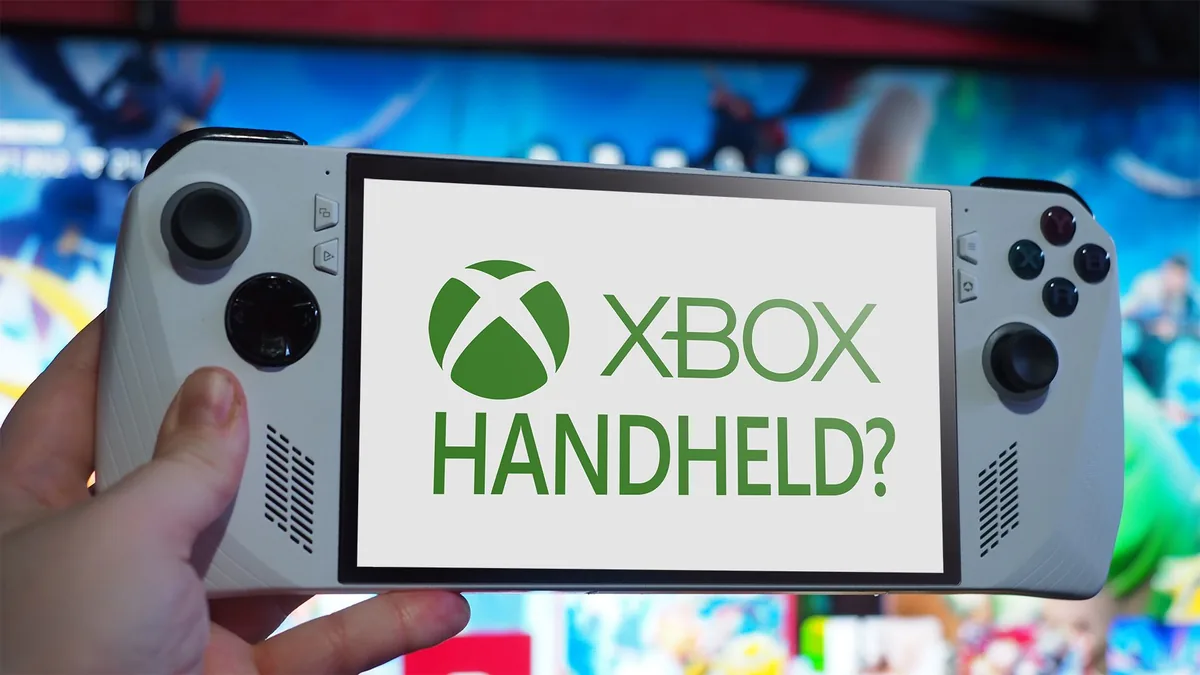
A small logo can say a lot when it appears in the right place. Microsoft adding an Xbox handheld-style mark to major game pages suggests the company may be preparing a clearer identity for portable Windows gaming. The handheld PC market has grown quickly, but it still lacks the simple compatibility language that console players understand. Microsoft is in the best position to fix that.
The problem is not that Windows handhelds cannot play games. Many can. The problem is confidence. Buyers want to know whether a game runs well on a small screen, supports controller input cleanly, handles sleep and resume, and avoids launcher chaos. A recognizable Xbox handheld marker could become a shorthand for that experience if Microsoft applies it carefully.
Portable gaming also overlaps with phones and performance tablets. Our handheld gaming hardware coverage shows how mobile hardware makers keep pushing cooling, chips, and displays for play-anywhere use. Windows handhelds sit at the more PC-like end of that same desire. They promise large game libraries, but they need better software polish to feel as effortless as dedicated consoles.
Windows Central spotted the Xbox handheld logo on major game pages and raised the right questions about what Microsoft is preparing. A logo by itself does not confirm a first-party handheld. It could point to compatibility labeling, a store filter, a marketing program, or groundwork for partner devices. But even that would be meaningful if it helps buyers understand the growing handheld PC space.
For Microsoft, the opportunity is larger than hardware. Steam Deck succeeded partly because Valve made the software layer feel coherent. Microsoft already owns Windows, Xbox, Game Pass, and a huge store presence, but those pieces do not always feel unified on handheld PCs. A handheld identity could give the company a framework for improving navigation, updates, input, and game discovery.
The risk is overpromising. If a logo appears beside games that technically launch but run poorly, users will lose trust quickly. Certification must reflect actual handheld play, not desktop compatibility with smaller controls. Battery life, text size, controller mapping, and performance presets should all matter if Microsoft wants the label to mean something.
The logo leak is early, but it feels aligned with where gaming is going. Players want their libraries to move between TV, desk, and couch without feeling like each device is a separate world. If Microsoft uses the Xbox handheld mark to make portable Windows gaming clearer, it could do more for the category than another spec-heavy device announcement.
Microsoft also has to think about stores beyond its own. PC gaming is fragmented by design, and handheld users often jump between Xbox, Steam, Epic, Battle.net, and publisher launchers. A useful Xbox handheld program should improve the full Windows handheld experience rather than pretending every game lives inside one storefront. If Microsoft can make the operating layer smoother while respecting that reality, it can become the category's organizer without needing to control every purchase. That would be a better strategy than treating every partner handheld like a tiny desktop.