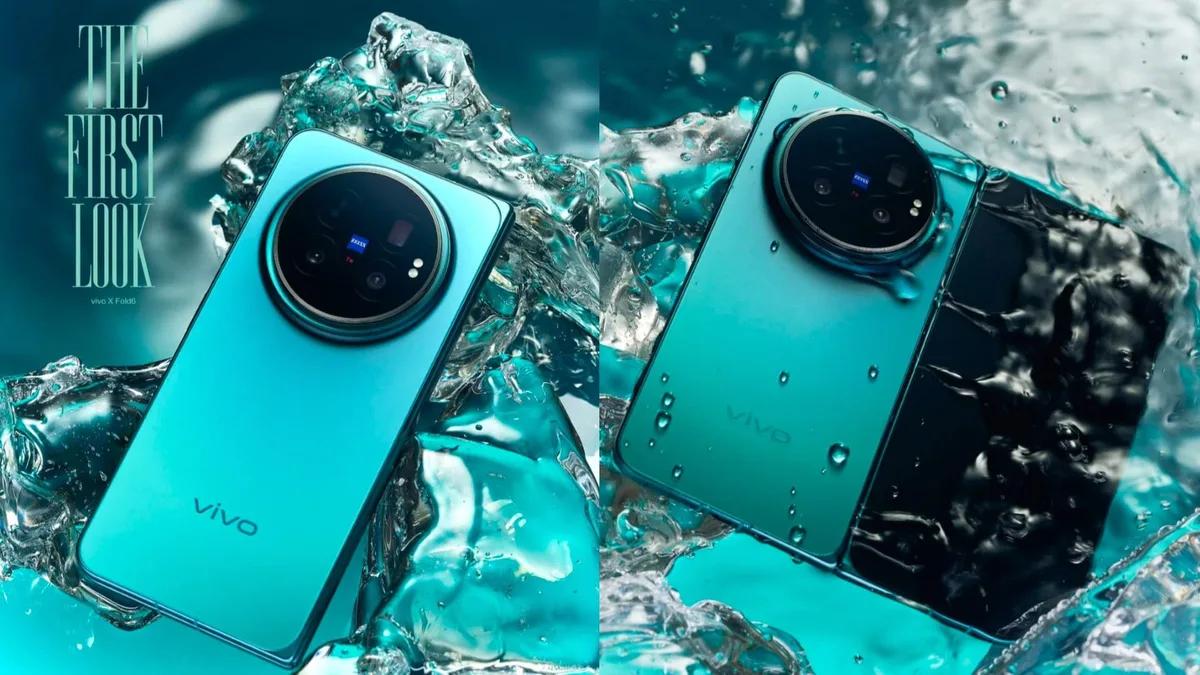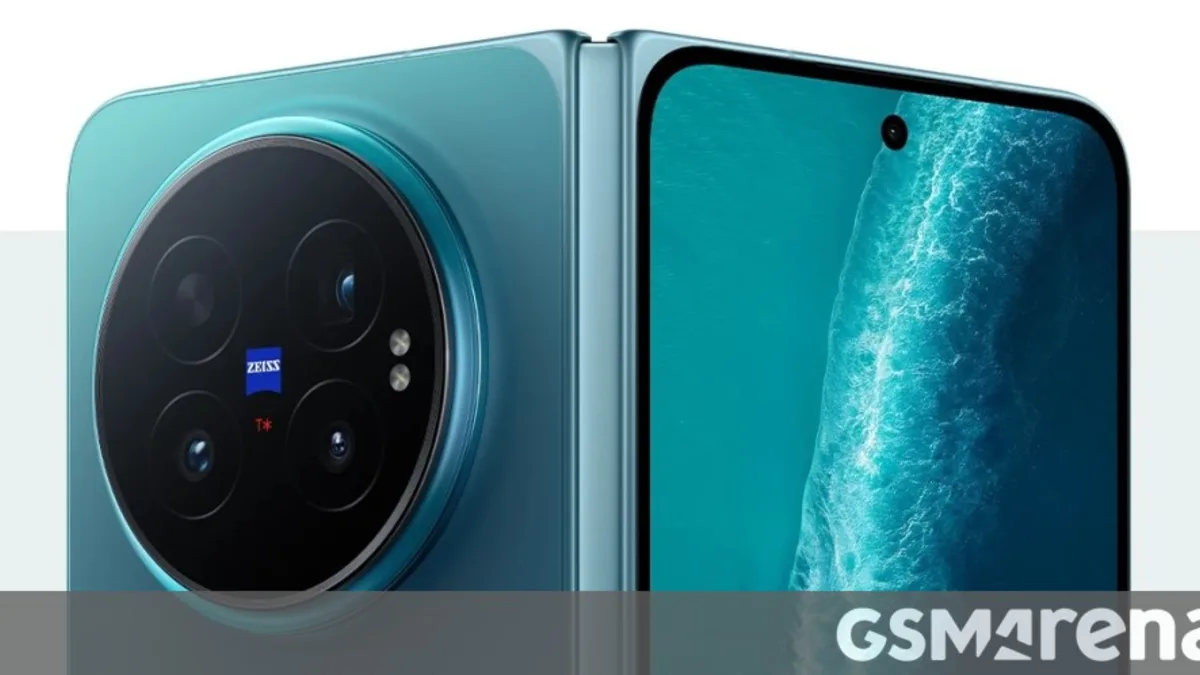
Large foldables are often discussed like futuristic halo devices, but sales claims are what make the category feel like real business. A fresh Chinese report says vivo X Fold5 cumulative sales have passed 520,000 units. If that figure is accurate, it suggests book-style foldables are moving beyond curiosity in China and becoming a meaningful premium segment for brands that can execute hardware, software, and service together.
The number matters because foldables are expensive to build and difficult to support. Hinges, flexible displays, inner-screen protection, multitasking software, and repair logistics all raise the bar. A brand needs enough volume to justify continued investment. Strong sales give vivo more reason to refine the Fold line rather than treating it as a limited showcase for enthusiasts.
The timing is also important because vivo is already discussing the next generation. Our vivo X Fold6 performance story looked at how chip confirmation can turn the X Fold6 into a performance story. Sales momentum behind the X Fold5 would give the next model a better launch foundation, especially if buyers already trust vivo's approach to large screens, cameras, and battery life.
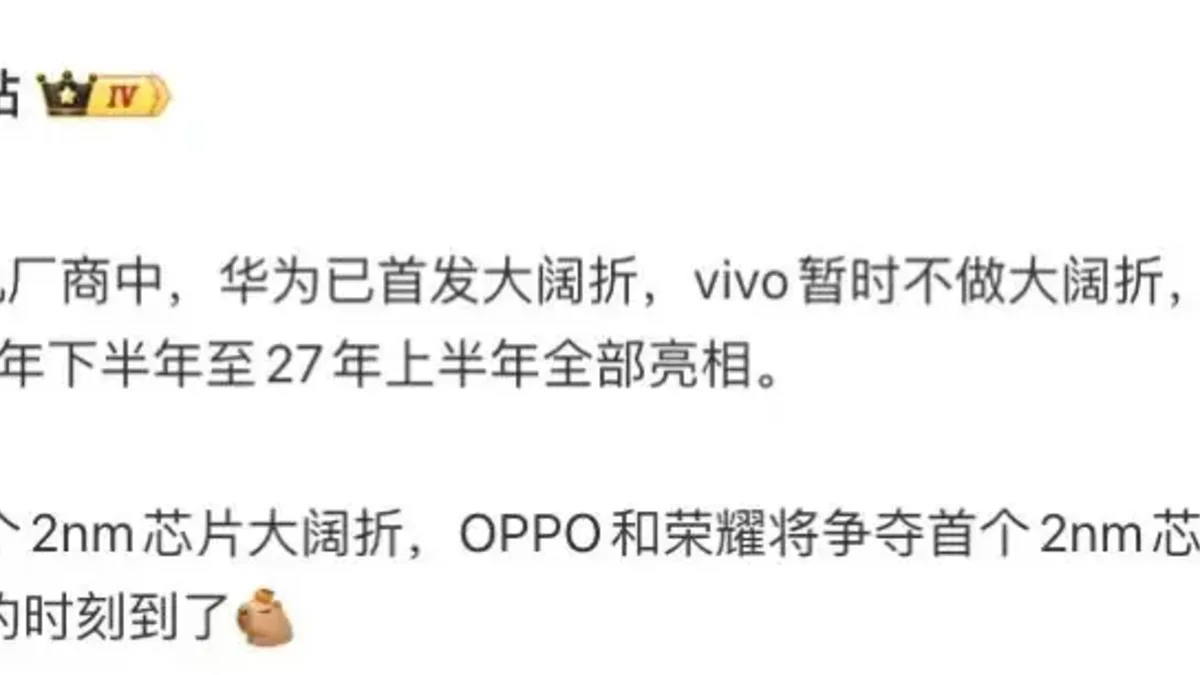
ITHome reported the sales claim in Chinese-language coverage, framing vivo's foldable momentum as a notable market signal. As with any company-adjacent sales figure, it should be read carefully until more context is available. Shipments, sell-through, regional totals, and channel inventory can tell different stories. Still, the headline figure is large enough to deserve attention.
For buyers, volume can have practical benefits. A foldable that sells well is more likely to receive accessories, repair support, software attention, and trade-in recognition. Low-volume experimental devices can be exciting, but owners may suffer later when cases vanish, parts become scarce, or updates feel deprioritized. A larger installed base gives the product line a stronger ecosystem.
The broader foldable market is also changing. Samsung still has global visibility, but Chinese brands are pushing thinner bodies, larger batteries, better crease control, and more aggressive camera systems. vivo's sales claim suggests that local buyers are responding to those improvements. The next challenge is translating that strength into wider availability and long-term trust outside China.
The X Fold5 figure should not be treated as the final measure of foldable success. The category still has price, durability, and app-optimization hurdles. But it does show that large foldables are no longer only concept devices for launch stages. If vivo can turn sales momentum into better support and sharper next-generation hardware, the X Fold line could become one of the category's defining alternatives.
Developers should pay attention as well. Once a foldable line reaches meaningful volume, app optimization becomes less optional. Shopping apps, note apps, video editors, messaging tools, and productivity suites can all benefit from large inner screens, but only if layouts are designed thoughtfully. A strong installed base gives vivo leverage to ask for better software support. That is when foldables stop being hardware experiments and start becoming a platform behavior developers have to respect. The sales claim therefore matters even for people who never buy this exact model.