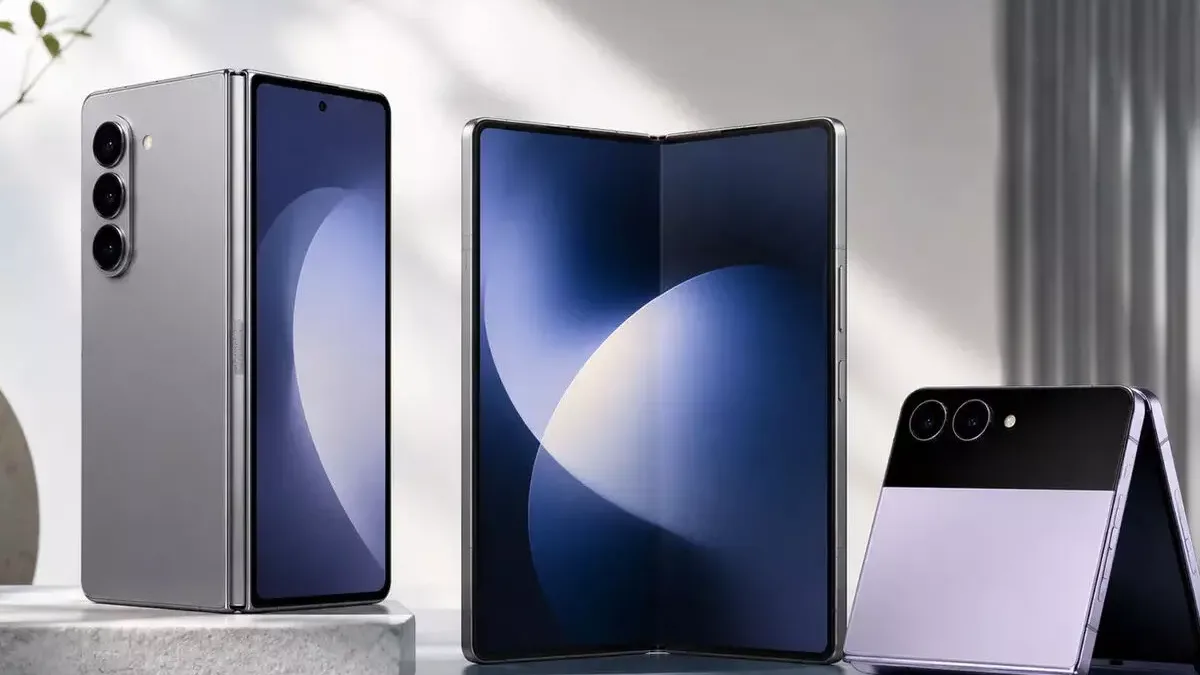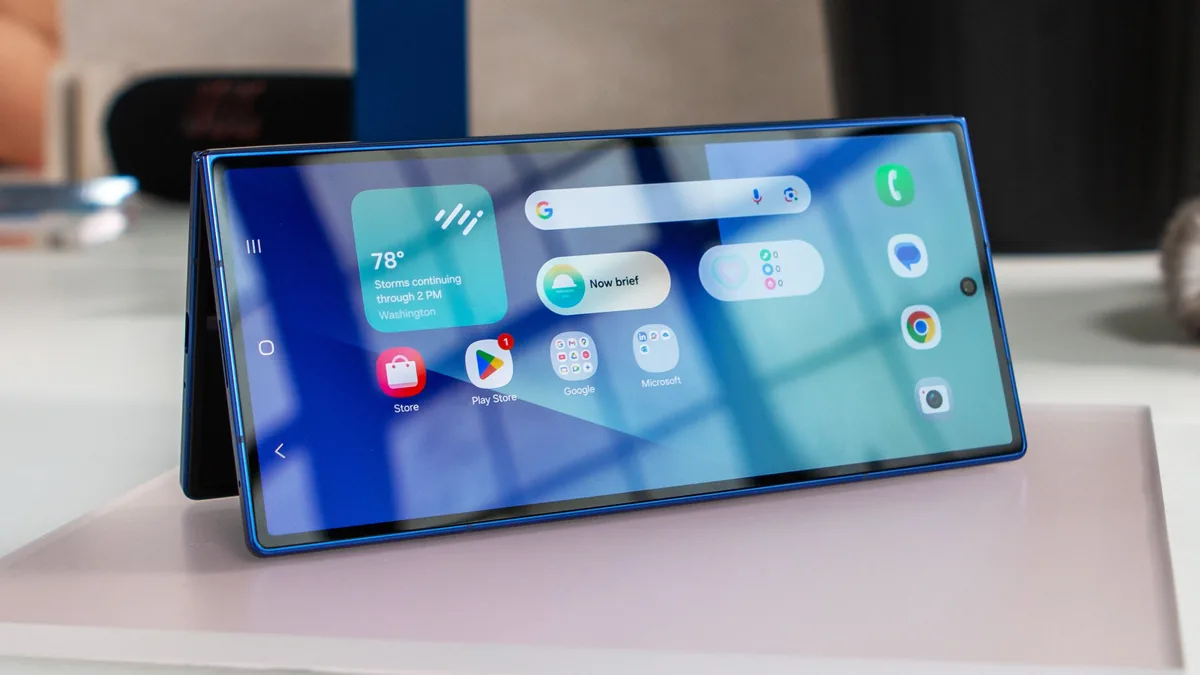
A Chinese report on wide foldable phones points to a clear direction in the category: brands are moving away from narrow cover screens and toward shapes that feel more like normal phones when closed and compact tablets when open.
That change matters because foldable complaints often start with proportions. A narrow outer display can make typing, reading, and navigation feel awkward. A wider design can make the phone easier to use before it is even unfolded.
The thread also links naturally to our earlier look at the Galaxy Z Fold 8 wide spec leak. For this post, Chinese Foldable Phone Report Shows Wide Screen Designs Are Accelerating makes that connection specific to 搜狐网: the rumor or report is only useful when it is read beside product timing, component pressure, and the user trust problem around China Smartphones.
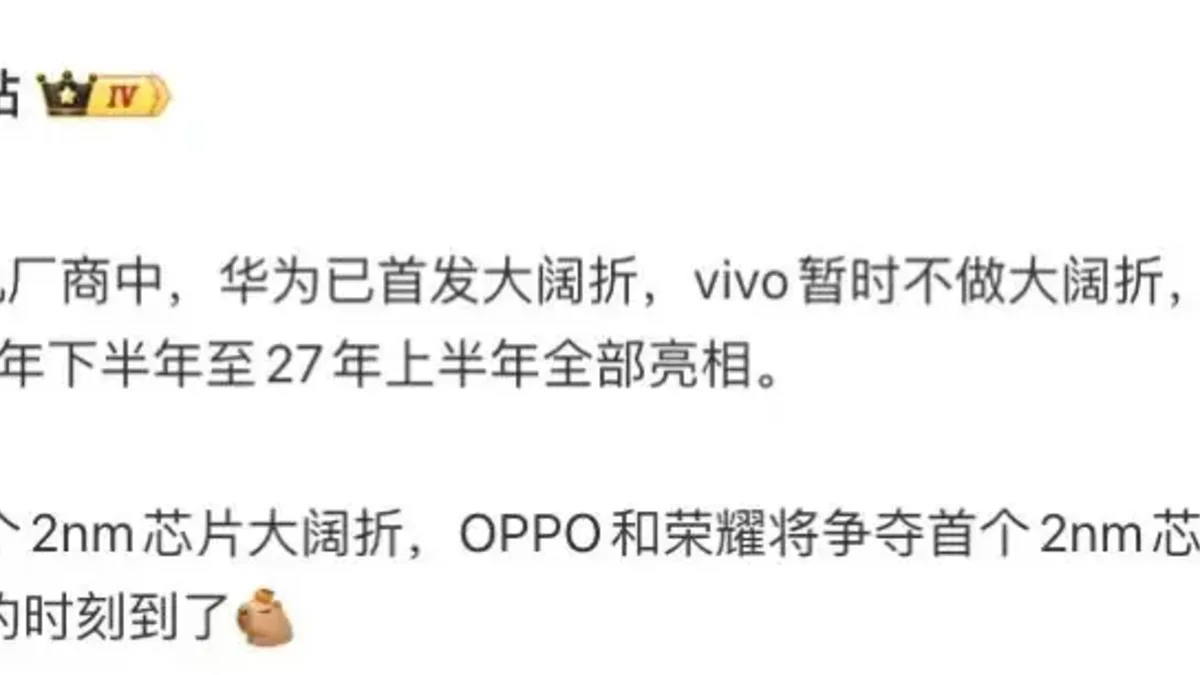
The current report from 搜狐网 described a wave of wide foldable phone releases and suggested that multiple new devices are moving toward this design direction. That source detail gives the article a concrete starting point, but the bigger value is in reading what the report says about the product category around it.
For buyers in China, the wide-foldable push is especially important because the local market already has several mature options. Users have seen thin bodies, large batteries, high-refresh displays, and aggressive camera systems. The next upgrade has to improve daily comfort.
What makes this worth separating from a normal news brief is the way it changes near-term expectations. Chinese Foldable Phone Report Shows Wide Screen Designs Are Accelerating is really about timing, confidence, and execution. A small leak can be forgettable, but a leak that points to supply, policy, capacity, or launch positioning can shape how buyers and rivals prepare.
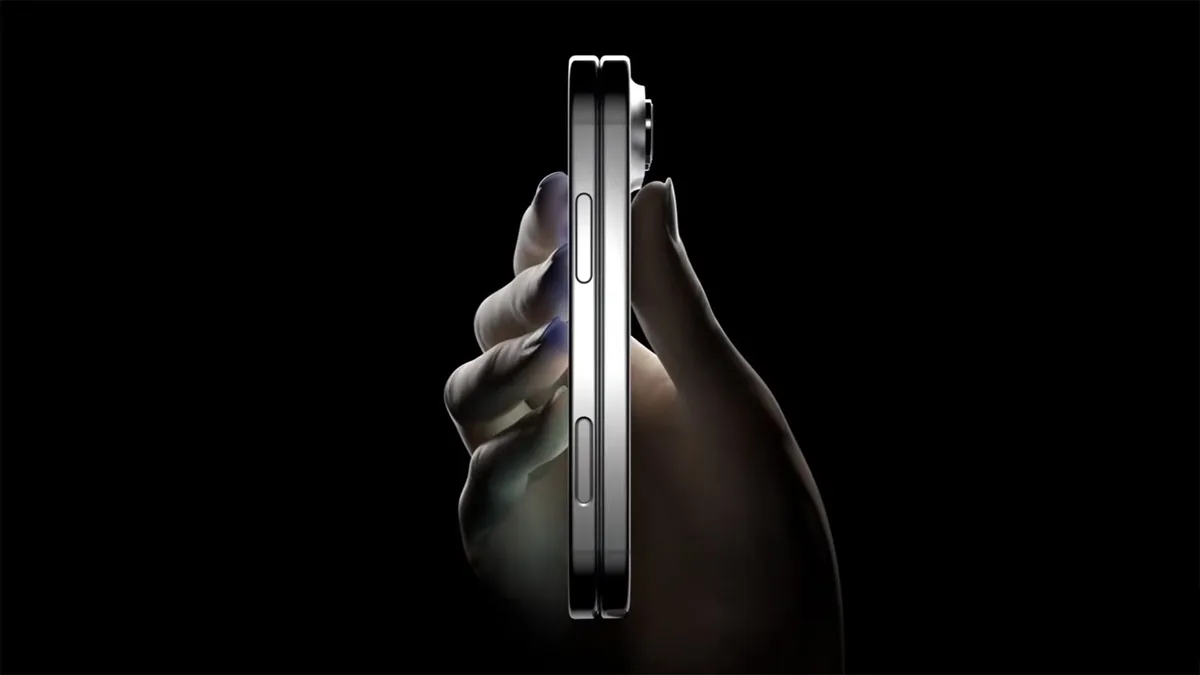
A wider foldable is not free. It changes hinge load, inner-display aspect ratio, one-handed use, app scaling, and pocket feel. Brands have to make the phone wider without turning it into a small tablet that is annoying to carry.
The report also shows why Samsung and Apple face pressure. Chinese brands are iterating quickly, and buyers in the region may judge future global foldables against devices that already solved several early problems.
Another angle worth keeping in mind is audience behavior around 搜狐网. People following Chinese Foldable Phone Report Shows Wide Screen Designs Are Accelerating are no longer waiting passively for official launch slides; they compare leaks, supplier moves, policy signals, and early pricing clues before deciding what to buy, build, or avoid.
Some reports group rumor, launch timing, and market speculation together. The specific models may shift, but the design trend is visible across enough brands to matter.
The next meaningful foldable spec may be cover-screen usability rather than inner-screen size. If wide designs become the norm, narrow book-style foldables will start to feel dated fast.
The practical reading is therefore cautious but not dismissive. For 搜狐网, the headline is the new development. For readers following Foldable Phones, the more durable point is whether the companies involved can turn that development into something reliable, understandable, and worth paying attention to after the first leak cycle fades.