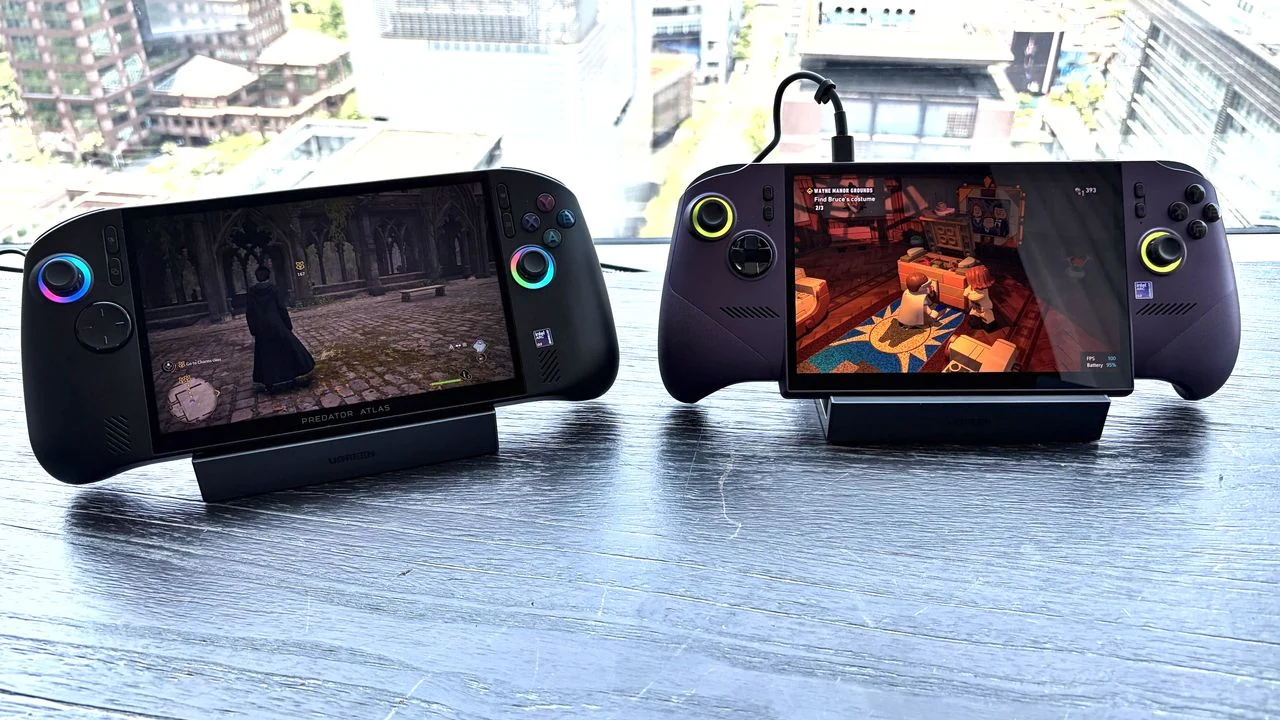
Portable gaming PCs are no longer experimental curiosities. The category now has recognizable designs, serious chip roadmaps, and buyers who compare thermals, controls, battery life, display quality, and software launchers with the same care they once reserved for laptops. Intel's Arc G3 handheld demos fit directly into that shift.
The most important part is not simply that Intel graphics are appearing in handhelds. It is that more chip competition can push the entire category forward. AMD has shaped much of the Windows handheld conversation, while Valve's Steam Deck made the form factor mainstream. Intel entering with stronger mobile graphics gives device makers another path.
Handheld gaming PCs face a brutal design problem. They need enough graphics performance to run real PC games, enough battery to be portable, enough cooling to avoid throttling, and enough software polish to make Windows feel less awkward on a small screen. A good chip helps, but the device still has to solve the whole experience.
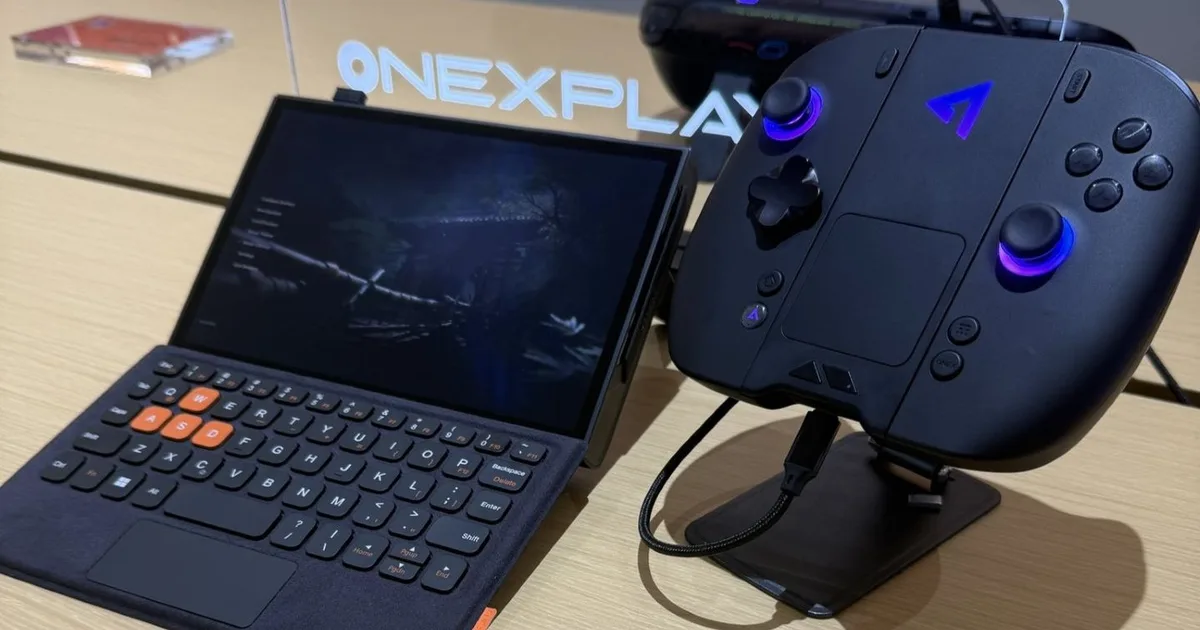
Windows Central went hands-on with Acer Predator Atlas 8 and MSI Claw 8 EX AI Plus handhelds using Intel Arc G3 Extreme chips, describing the new graphics hardware as a serious step for mobile gaming PCs. The demo matters because real handheld design is where chip promises meet heat, controls, and battery limits.
Why handhelds need more than speed
Performance headlines are useful, but handhelds live or die on balance. A device that runs games quickly for ten minutes but drains fast or becomes uncomfortable will disappoint. A device that runs cooler but feels sluggish will also miss the point. Intel and its partners need to show that Arc G3 can hold playable performance without turning the hardware into a noisy brick.
This is where the line between gaming phones and handheld PCs keeps blurring. Our REDMAGIC 11S Pro coverage showed how phones are borrowing console-like ideas such as active cooling, triggers, and giant batteries. Windows handhelds are moving from the other direction, shrinking PC gaming into a controller-shaped machine.
Software remains the weak point for many Windows handhelds. A launcher can hide some of the desktop friction, but updates, pop-ups, game launchers, driver settings, and sleep behavior still matter. Intel's hardware push will be more convincing if it comes with driver reliability and easy tuning tools.
The demos also put pressure on pricing. Handheld PCs can become expensive quickly, especially when they add large screens, fast storage, premium controls, and advanced cooling. Buyers will compare them not only with each other, but also with laptops, consoles, gaming phones, and cloud gaming subscriptions.
Intel Arc G3 does not guarantee a category winner by itself. It does make the portable PC gaming market feel more competitive and more serious. That is good for buyers, because handheld gaming needs pressure from multiple chipmakers before the designs can mature beyond first-generation compromises.
Battery testing will be the number that cuts through the hype. Handheld buyers understand that every mode has a cost, but they still need honest expectations for indie games, demanding AAA titles, streaming, and lower-power travel use. If Intel-powered devices can offer sensible performance profiles with clear battery estimates, they will feel more mature than handhelds that only chase the highest frame rate in a controlled demo.