Console storage is not exciting until a player has to delete a game to install another one. That is why a cheaper Xbox expansion card deal matters. It is not a flashy leak or a new console announcement, but it touches a daily hardware frustration: modern games are huge, internal SSD space disappears quickly, and proprietary expansion formats can make upgrades feel expensive.
The Xbox Series storage system is technically elegant because expansion cards preserve the performance expected by current games. The problem is price. If the official upgrade path feels too costly, players either juggle installs or move games back and forth from slower external drives. We have seen similar pressure in portable and console hardware coverage, including how gaming device costs keep rising as storage and memory prices move.
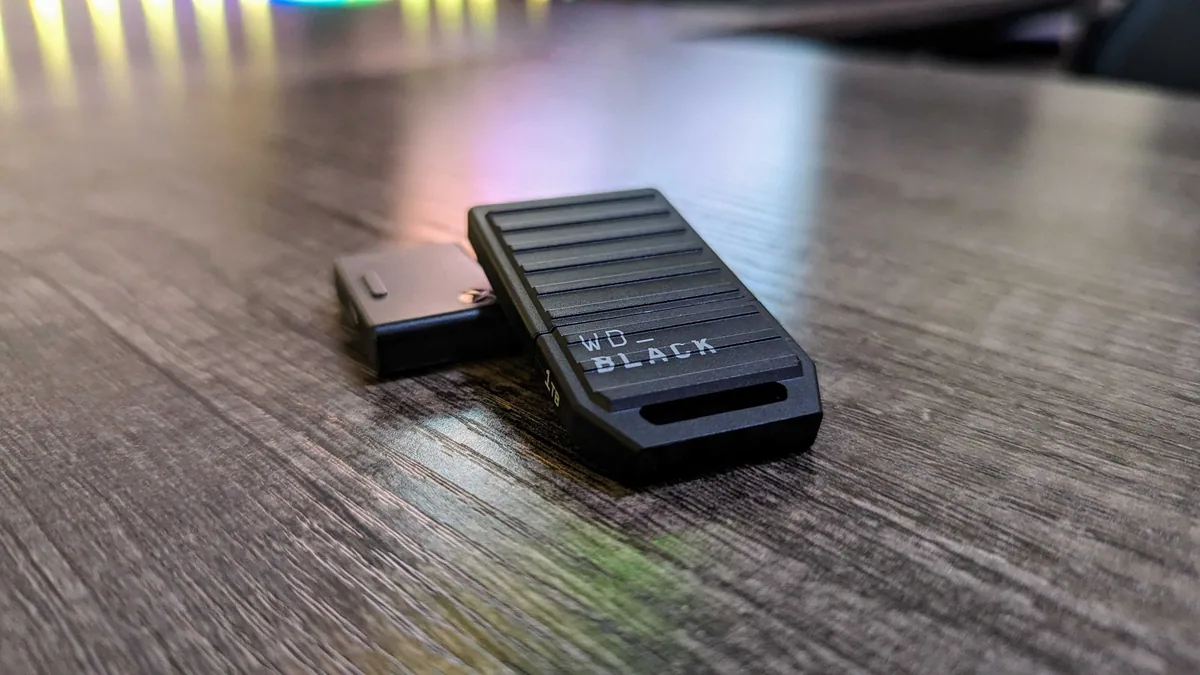
Windows Central reports that a WD Black C50 Xbox expansion card deal undercuts a Seagate option while matching the performance players need. The article frames the discount as a practical way to add space without compromising the console experience.
The bigger point is that storage has become part of console value. A cheaper console can feel less cheap if the first upgrade is expensive. Players buying large digital libraries, Game Pass titles, and live-service games need enough fast storage to keep their rotation installed.
Microsoft's approach is simpler for users than opening a console or researching compatible NVMe drives, but simplicity can become a lock-in complaint when prices stay high. More competition in expansion cards helps because it turns a proprietary accessory into a more normal market.
This kind of deal also matters before the next wave of hardware. If future Xbox devices lean even harder into digital libraries, cloud saves, and hybrid handheld experiences, storage expectations will rise again. Players will want fast, swappable, affordable capacity.
The discount is a small story, but it points to a durable hardware truth. Performance is only useful when users can afford enough of it. Console storage still needs to get cheaper before it stops feeling like an afterthought tax.
Game size is the reason this issue keeps returning. Open-world textures, seasonal updates, high-resolution audio, and live-service content can make one title occupy a painful share of internal storage. A player may buy a console for a fixed price and then discover that a healthy library needs another purchase. That makes storage feel less like an accessory and more like part of the platform's real cost.
The deal is also a reminder that console hardware ecosystems age differently from phones and PCs. A storage format chosen at launch can shape upgrade pricing for the entire generation. When competition arrives late, it can improve the situation, but early buyers already spent more. Future consoles should treat storage expandability as a user-trust issue from the beginning.
A healthier storage market also helps Game Pass. Subscription libraries encourage sampling, but sampling breaks down when every installation decision becomes a space negotiation. Cheaper expansion cards make the subscription feel more frictionless because players can keep more games ready. That is not a glamorous feature, but it directly affects how often people try new titles.