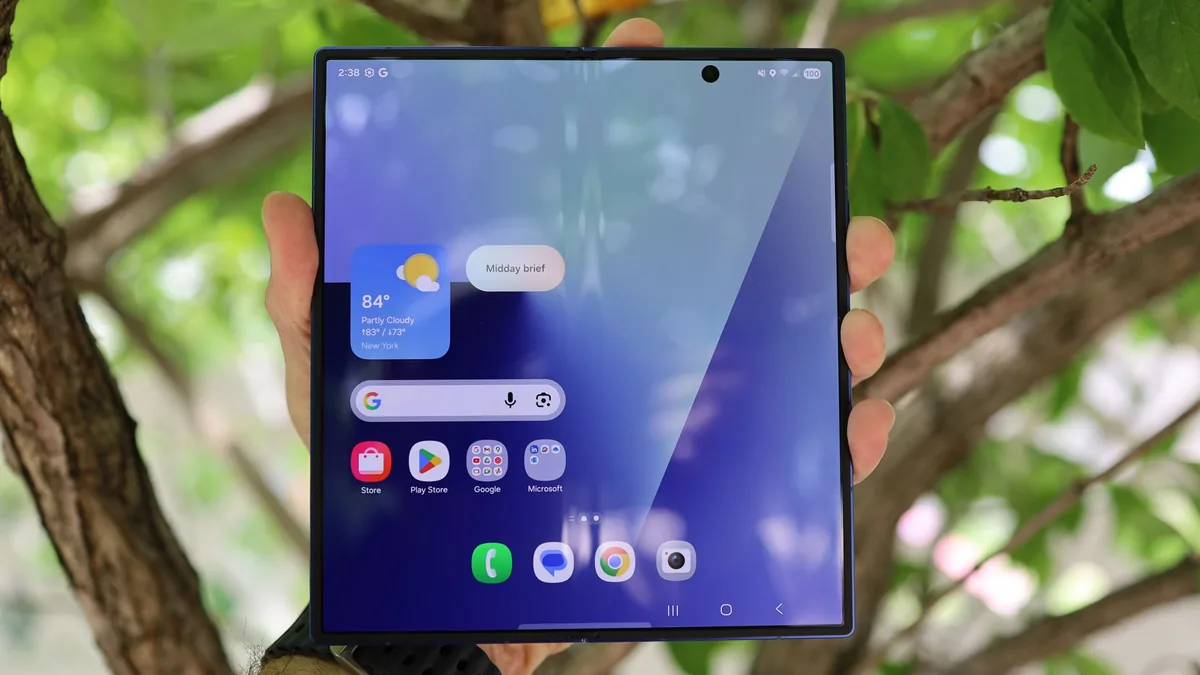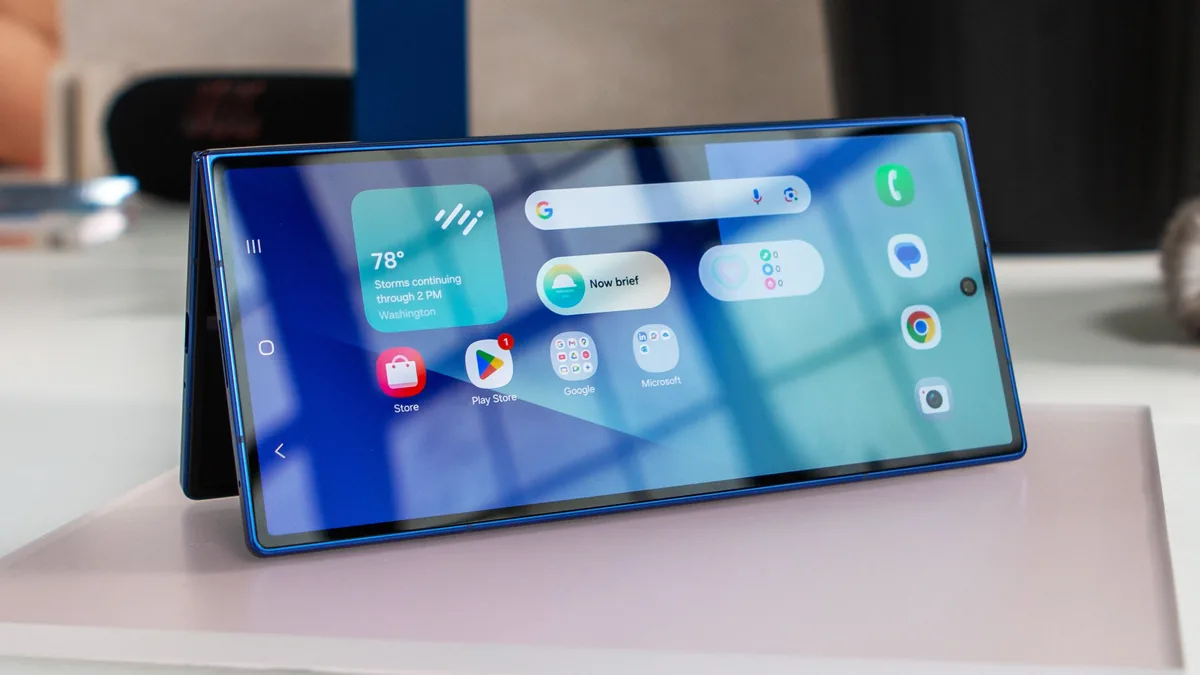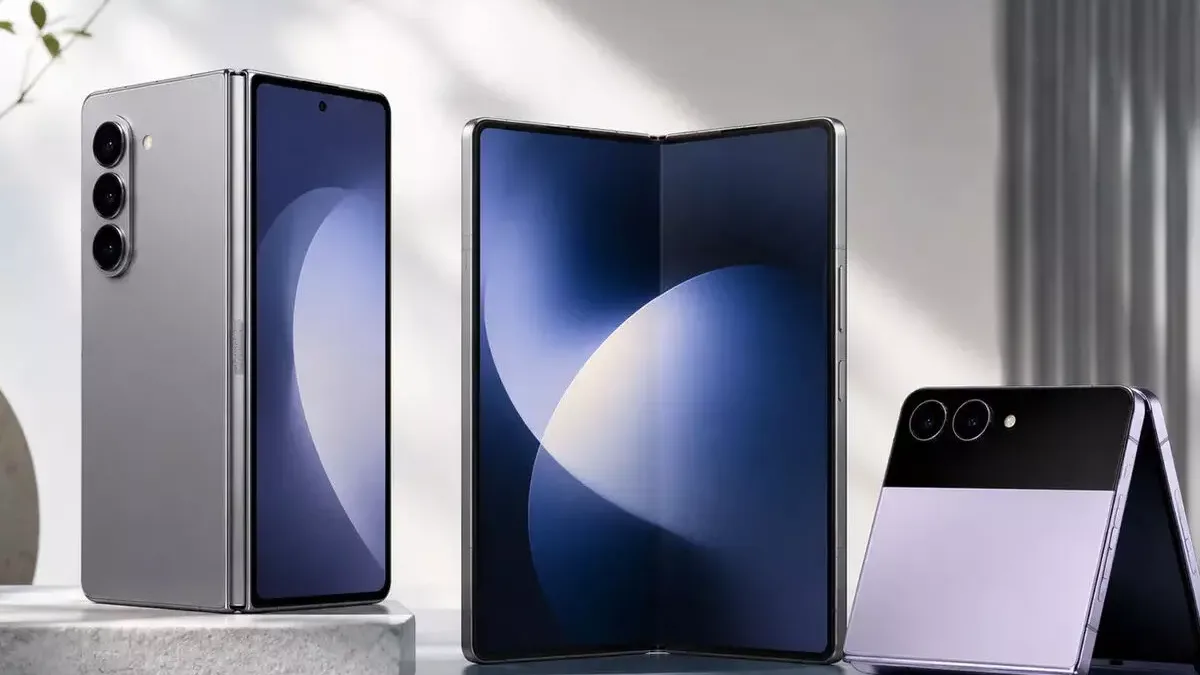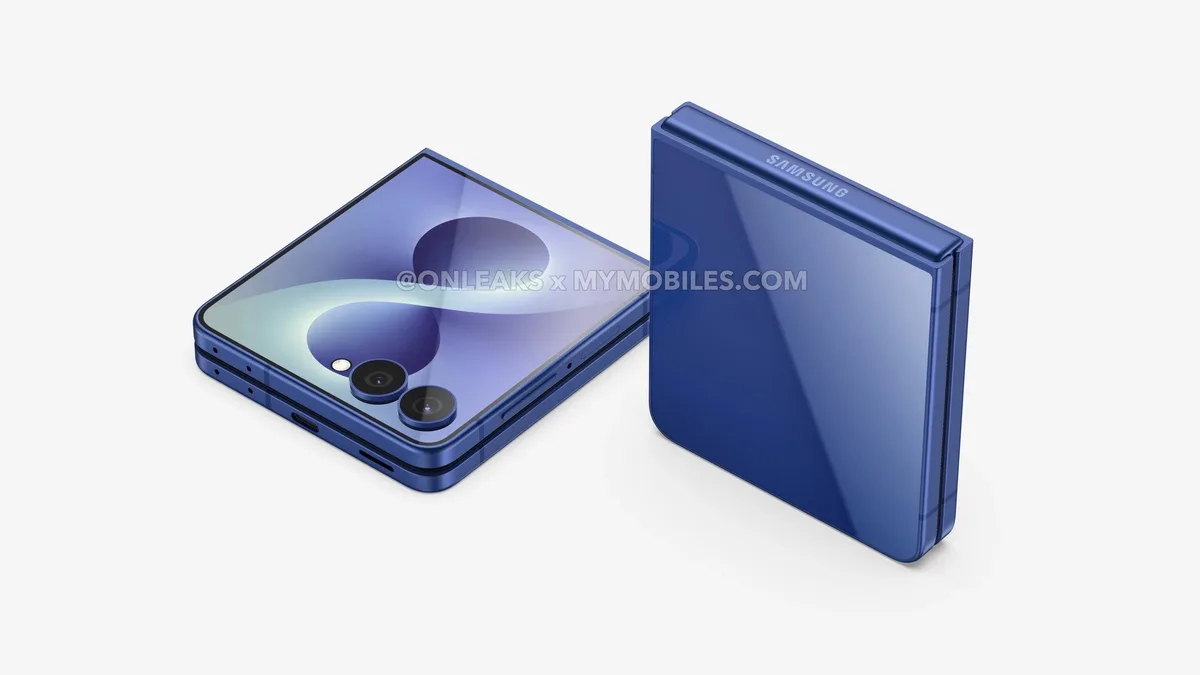
Samsung has owned the foldable phone conversation for long enough that a simple book-style or flip-style upgrade no longer feels bold by itself. That is why a new report about a possible Samsung rollable phone matters. A rollable device would shift the pitch from a phone that opens like a book to a screen that changes size on demand. It is a harder engineering story, but it is also a more ambitious answer to the question of what comes after the current Galaxy Z line.
The timing being discussed points toward 2028 rather than a near-term surprise. That is useful because rollable hardware needs more than a dramatic demo. It needs a display stack that can survive repeated extension, a body that keeps dust and debris away from moving parts, software that adapts instantly, and a battery layout that does not make the phone too thick. Samsung already has pressure from today's wider foldable designs, including the kind of shape we discussed in our Galaxy Z Fold 8 wide design coverage.
Android Authority says the latest report gives Samsung's rollable phone idea another credibility boost and points to a possible 2028 launch window. The story is still early, but it fits Samsung Display's long-running work on flexible panels and the company's need to keep premium Android hardware visually exciting.
A rollable phone would also let Samsung answer a complaint that foldables still carry: the closed phone can feel narrow, and the opened phone can feel like a compromise between tablet and phone. A rollable could start at a regular phone width and extend only when the user wants a bigger canvas. That sounds cleaner in theory, though the mechanism will be judged harshly in pockets, bags, and daily drops.
The business question is whether Samsung can price such a device without making it a showroom curiosity. Foldables have slowly become less exotic, but rollables would probably begin at the top of the range. If the first model is too fragile or too expensive, it may impress reviewers without changing buyer behavior.
Software will decide whether the extra screen area feels meaningful. A rollable display should improve maps, videos, reading, multitasking, gaming, and camera previews without forcing users to think about layouts. Samsung's One UI already has foldable experience, but rollable transitions need their own rhythm.
The report does not make a 2028 rollable certain. It does, however, show that the next flexible-screen fight is already forming. Samsung cannot just defend foldables; it has to define the next category before rivals make the current one look ordinary.
A 2028 target would also give Samsung time to learn from the current foldable market. The company can watch which screen ratios users prefer, how repair programs handle flexible panels, how carriers price premium devices, and how app developers respond to unusual layouts. Rollable phones will need stronger app adaptation than today's foldables because the screen size could change in smaller increments. If Samsung solves that elegantly, the device could feel more natural than a phone that has only two fixed states.
Durability will decide public trust faster than any demo video. A rolling display creates new questions about dust channels, motor wear, panel stress, and accidental extension in a pocket or bag. Samsung cannot launch this category with a fragile reputation. It needs a mechanism that feels confident after thousands of cycles and a warranty story that does not scare early adopters away.