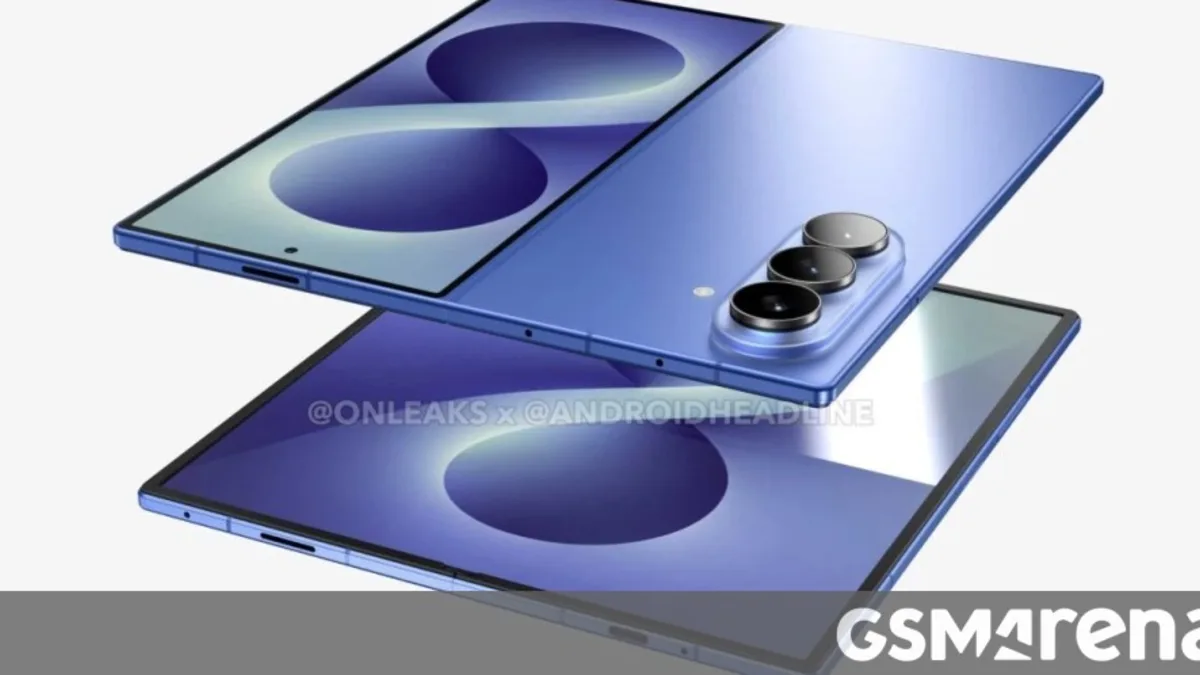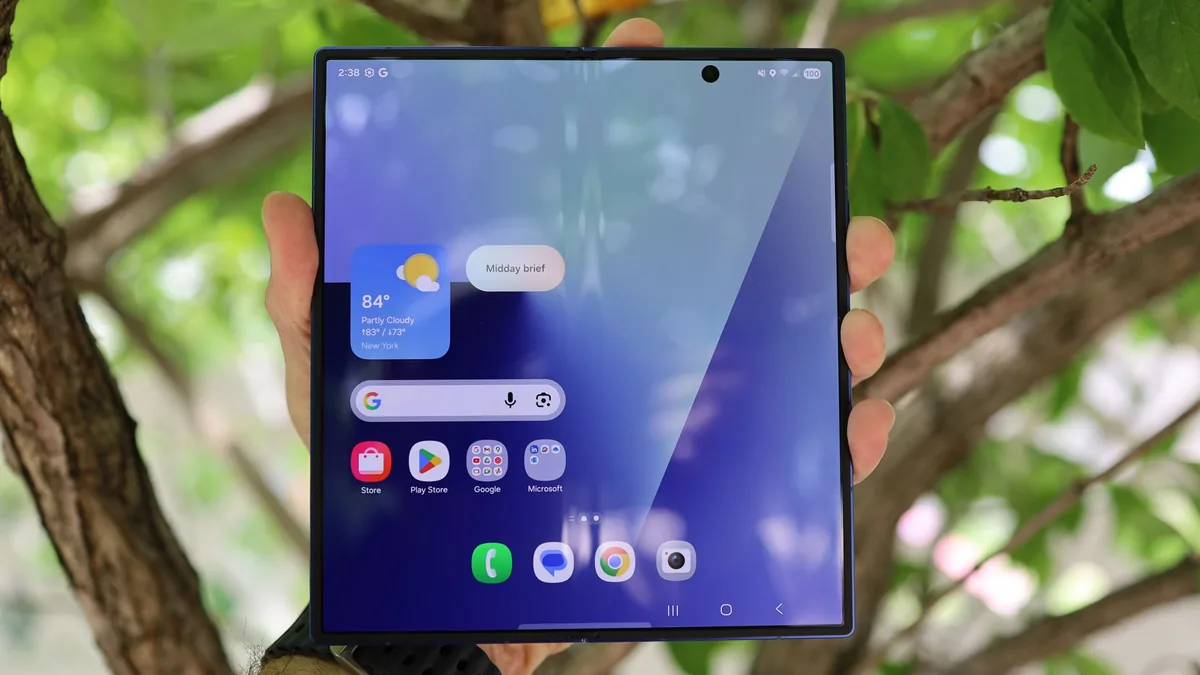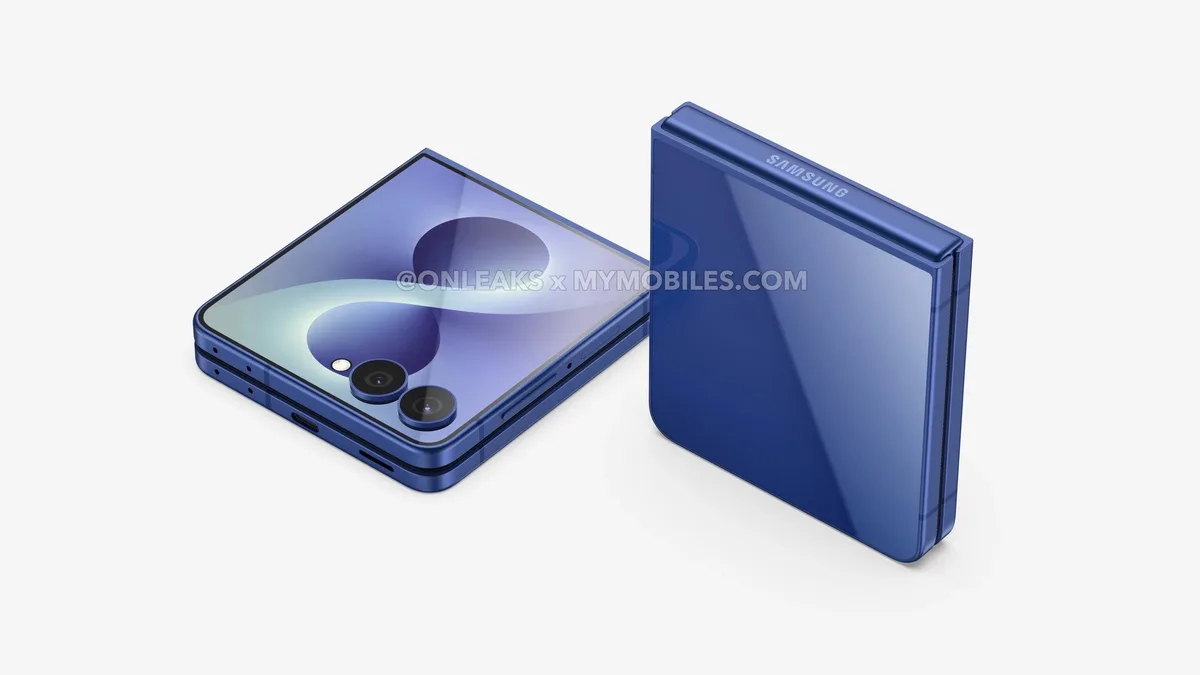
The Galaxy Z Flip 8 chip leak is more than a processor footnote. Samsung's foldable strategy depends on trust, and chip choice is one of the fastest ways to shape that trust. If the next Flip uses Snapdragon hardware in important markets, it could reassure buyers who remember years of debates around Exynos efficiency, heat, and gaming behavior.
Flip phones are especially sensitive to power management. Their batteries are smaller than large slab flagships, and the compact body gives engineers less room to spread heat. A processor that runs cooler or more efficiently can change the whole experience. It affects camera recording, navigation, social apps, cover-screen use, and how confidently the phone lasts through a long day.
Samsung also has to think about perception. Many users do not study benchmark charts, but they notice when one region gets a different chip from another. Our Galaxy S26 FE Geekbench coverage showed that Exynos decisions still attract attention even outside the top flagship tier. A foldable leak involving Snapdragon will naturally restart that conversation.
Android Authority reported that FCC material appears to reveal the Galaxy Z Flip 8 chip choice after a closer look at the filing. Regulatory clues can be strong, but they still need context. Model numbers, regional variants, and final retail configurations can complicate what looks simple from one document.
If Samsung does lean on Snapdragon for the Flip 8, it may be choosing consistency over internal chip pride. That would make sense for a premium foldable. Buyers paying flagship money do not want to feel like they are part of a processor experiment. They want stable performance, good battery life, reliable cameras, and a phone that does not get warm during normal social use.
The move would also affect Samsung's internal silicon story. Exynos can still matter in tablets, midrange phones, or selected Galaxy S models, but foldables are high-visibility devices. If Samsung believes Snapdragon gives the Flip 8 the best launch story, it may prioritize the product's reputation over division politics. That is not a small signal.
The final phone will need more than a strong chip. Hinge feel, cover-screen software, camera quality, and battery endurance still define a Flip. But the chip leak points toward a practical decision that many buyers will welcome. Samsung's next compact foldable does not need to win every spec race. It needs to feel dependable enough that the folding design becomes the reason to buy, not the risk to tolerate.
The cover display will be another place where chip efficiency shows up. Flip users increasingly expect quick replies, widgets, camera previews, translation, payments, and music controls without opening the phone. Those small interactions add up during a day. If the Snapdragon clue proves accurate, Samsung could pair it with smoother cover-screen features and better standby behavior. That would make the Flip 8 feel more complete as a compact device, not merely a normal phone folded in half.
That is why this leak will keep circulating until Samsung announces the phone. It touches the one specification that can change battery expectations before anyone tests the device. For a compact foldable, that early confidence can matter.