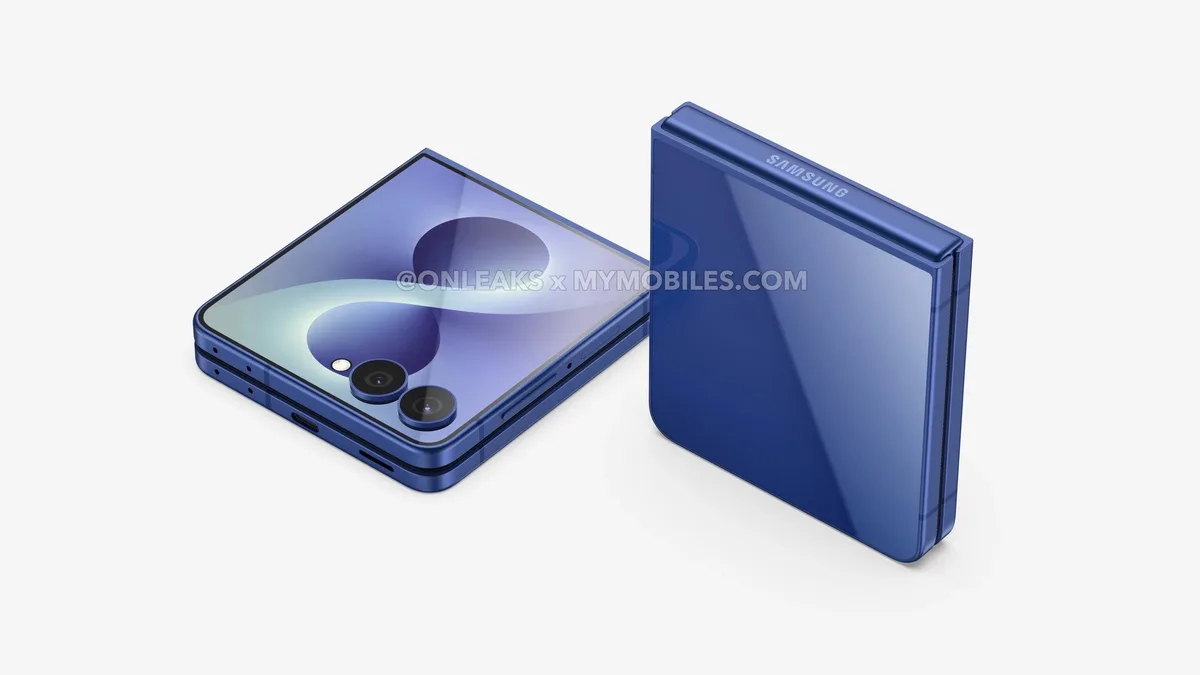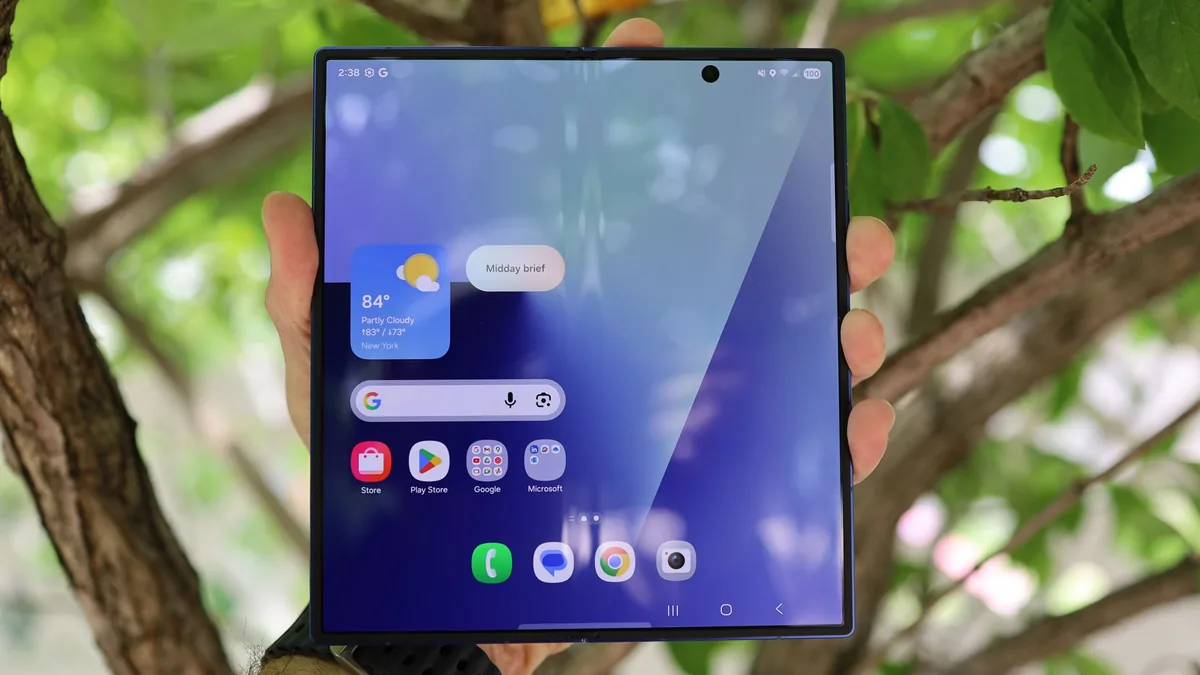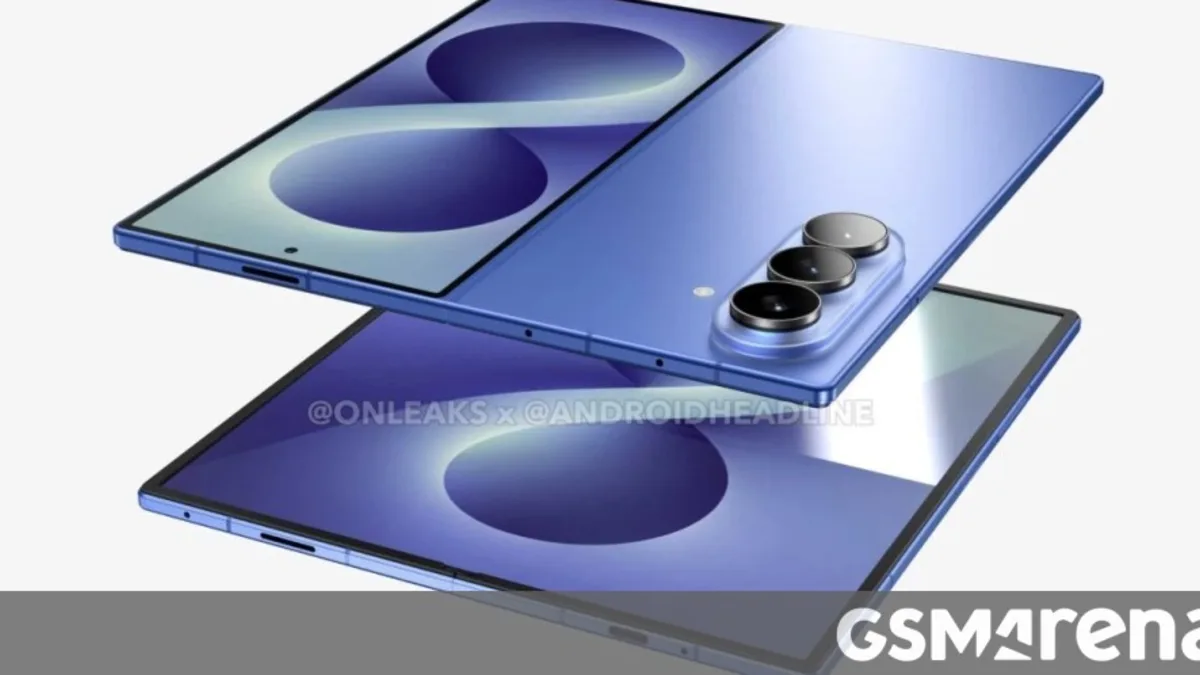
Samsung's next Ultra foldable is starting to sound less like a simple name extension and more like a display-first reset. The latest Galaxy Z Fold8 Ultra leak says the phone is in line for a screen upgrade, which is the exact area Samsung needs to sharpen if it wants its most expensive foldable to feel genuinely separate from the regular Fold line. Foldables have matured, but the display still decides whether the device feels futuristic or fragile.
The important part is not only resolution. A better foldable screen can mean sharper text, improved outdoor visibility, less visible crease behavior, better power efficiency, or a wider panel ratio that makes the cover display less cramped. Samsung already knows how to build durable foldables at scale. The harder question is whether it can make the next Ultra feel like a calmer daily phone rather than a showcase device that asks buyers to forgive old compromises.
There is also a timing issue. Chinese brands have pushed thinner bodies, larger batteries, and more aggressive camera hardware, while Samsung still owns the broadest international foldable footprint. That is why this rumor pairs naturally with our earlier look at the Galaxy Z Fold accessory problem. Hardware polish matters, but ecosystem details around cases, pens, repairs, and software support are now part of the buying decision.
GSMArena reported the screen-upgrade claim and notes that the exact resolution details are still not clear. That uncertainty is worth keeping in the story. A leak can point toward Samsung's direction without proving the final panel, and foldable display choices often change late because yield, thickness, and battery targets all fight each other.
If Samsung does lift the display experience, it could help the Ultra justify a higher price without leaning only on cameras or storage. A cleaner inner display would improve reading, split-screen work, note taking, gaming, and video. A better outer display would matter even more, because most foldable owners still spend a large part of the day using the phone closed. The best foldable is not the one that opens most dramatically; it is the one that feels normal before it opens.
The leak also suggests Samsung may be preparing a more obvious hierarchy across its foldable range. A regular Fold can stay practical, a Flip can stay style-focused, and an Ultra can chase the buyer who wants the least compromised screen. That would mirror the Galaxy S strategy, but foldables need clearer differences than slab phones. Buyers can see a screen upgrade immediately, and they can feel it every time they type or read.
For now, the Galaxy Z Fold8 Ultra should be treated as a serious rumor rather than a finished product. Still, the direction makes sense. Samsung does not need another foldable that wins only because it is available everywhere. It needs one that reminds users why Samsung led this category in the first place. A more ambitious display would be the most direct way to make that argument.
The most useful thing Samsung can do now is make the upgrade visible without making the phone harder to own. A sharper panel will not help if replacement costs rise sharply, battery life slips, or the body becomes less comfortable. Foldable buyers already accept a premium price and a more delicate form factor, so the display improvement has to feel like a daily benefit. Better brightness, a cleaner crease area, and a cover screen that feels less narrow would all be easier to appreciate than a technical resolution bump alone.