HarmonyOS is no longer only a question of whether Huawei can build a mobile operating system outside the usual Android frame. The harder question is whether enough daily apps can make the platform feel natural. A new Chinese report on major apps supporting the HarmonyOS skyline after interface changes shows progress, but it also highlights how much ecosystem work remains.
Users do not judge a phone platform only by the home screen. They judge it by the apps they open dozens of times a day: payments, messaging, video, travel, maps, shopping, ride hailing, banking, and work tools. If those apps feel native, fast, and visually consistent, the platform gains credibility. If they feel like ports, users notice immediately.
ifanr reported on the question of what HarmonyOS still needs after leading apps begin to support a more integrated visual skyline. The piece frames smaller teams and AI-era development as part of HarmonyOS' new identity, which is important because Huawei's platform story depends on developer productivity as much as device sales.
The visual layer matters because consistency builds trust. A system can have excellent technical foundations and still feel unfinished if apps use mismatched navigation, awkward scaling, or inconsistent controls. HarmonyOS needs big-name apps to look and behave as if they belong on the platform, not as if they were reluctantly adapted.
This is closely related to our earlier analysis of HarmonyOS 7 beta updates and Huawei's need for app momentum. The beta story and the app design story are two sides of the same problem. Huawei can ship system features, but the ecosystem decides whether those features become daily habits.
AI adds pressure rather than removing it. If HarmonyOS wants to present itself as a smarter platform, apps need to expose actions, data, and workflows to system intelligence safely. A smart assistant cannot feel useful if the apps underneath it are shallow. Developer tools, permissions, and native APIs will determine whether AI features become real productivity or just interface decoration.
Huawei also has to keep smaller developers engaged. Big apps provide legitimacy, but smaller tools fill out the daily experience. If HarmonyOS development is too expensive or too specialized, smaller teams may lag. The platform needs templates, documentation, revenue paths, and testing tools that make native support feel achievable.
The latest app-momentum report is encouraging because it focuses on the right layer. A mobile platform wins when people stop thinking about the platform. HarmonyOS is moving toward that point, but it still has to prove that its app ecosystem can keep pace with its hardware ambition and AI branding.
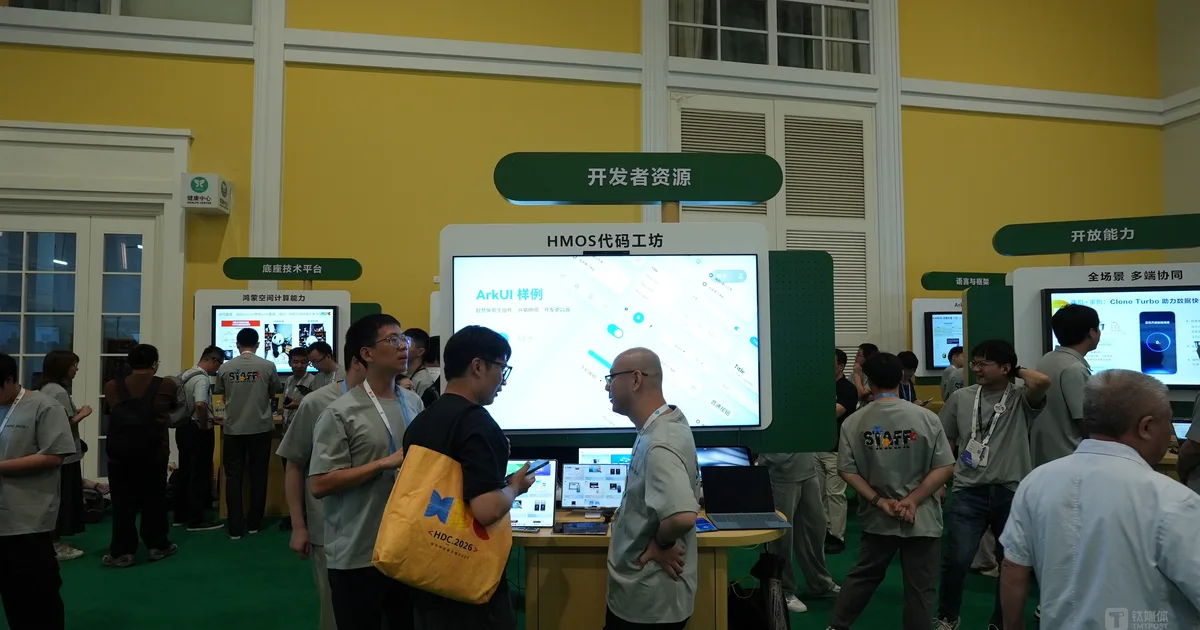
The most important evidence will come from ordinary users, not developer events. If people stop mentioning missing features and simply use HarmonyOS apps without friction, Huawei will know the ecosystem is maturing. Until then, every weekly app update matters. Platform trust is built slowly through boring reliability, and Huawei needs that reliability as much as it needs bold hardware.
That is why app polish is strategic, not cosmetic. Every smooth banking login, ride booking, food order, or document edit makes HarmonyOS feel less like an alternative and more like a normal phone platform.