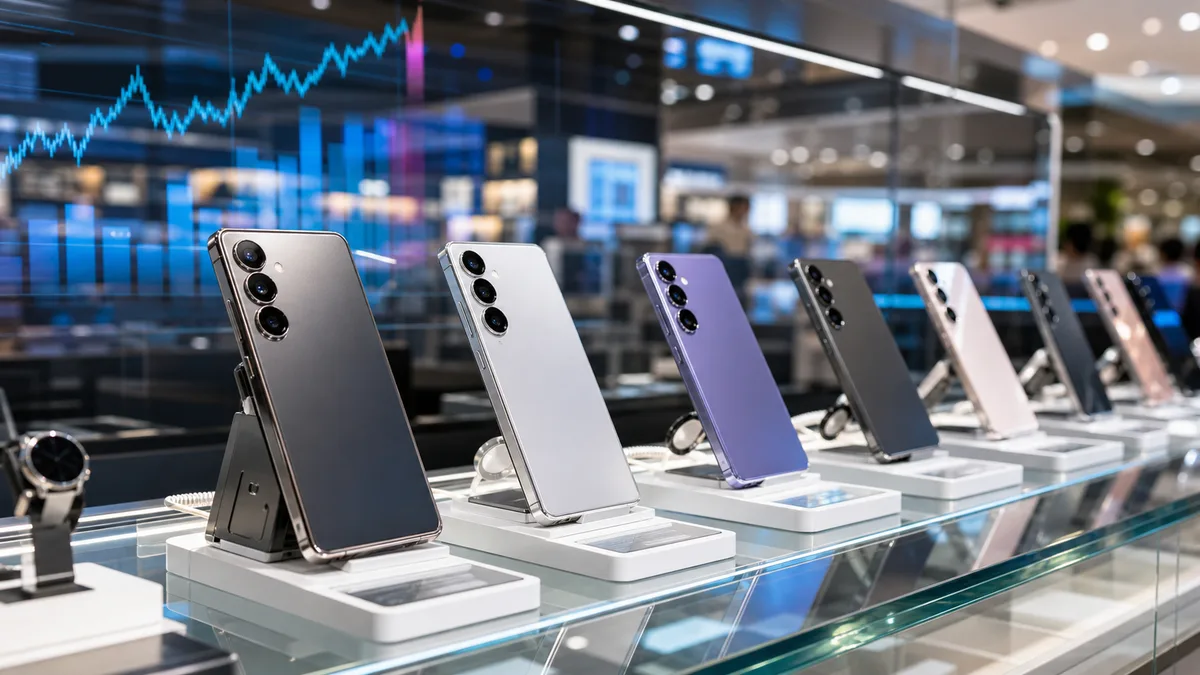
The smartphone market is often described as saturated, but premium devices can still move when pricing, promotions, and trade-in timing line up. A Chinese report tied to JD's 618 shopping cycle says high-end phone transaction value rose sharply, showing that buyers are not done with expensive gadgets. They are simply more selective about when and where they buy them.
Sales events matter in China because they concentrate demand. A buyer who might delay an upgrade for months can be pulled forward by coupons, financing, bundle offers, and clear stock availability. That makes 618 less like a normal shopping week and more like a stress test for brand demand, retailer execution, and consumer confidence.
The reported premium-phone strength is also useful because it challenges the idea that only budget models are resilient. High-end phones have become expensive, but they also carry longer software support, better cameras, stronger chips, brighter displays, and higher resale value. For some buyers, that makes the premium tier feel more rational than replacing a cheaper phone sooner.
凤凰网科技 reported the JD 618 figures, including a large year-over-year increase for high-end phone transaction value. The number should be read in context, but the direction is important: premium phones are still competitive when retailers make the upgrade feel timely.
Why premium phones can still win
There are practical reasons buyers stretch for higher-end devices. Better cameras matter for family photos, travel, social video, and work documentation. Better screens matter because phones are now primary entertainment devices. Longer update promises make expensive phones easier to justify over several years. These are not luxury-only arguments anymore.
Chinese brands have also made the premium tier more crowded. Apple and Samsung are no longer the only obvious choices for people willing to spend. Xiaomi, vivo, OPPO, Honor, Huawei, and OnePlus all push flagship hardware in different ways, from large batteries to foldables to camera partnerships. That competition can make sales events more aggressive.
The risk is that promotions train buyers to wait. If shoppers believe the best price only appears during 618 or similar events, normal-period sales may soften. Brands then have to balance short-term volume with long-term pricing discipline, especially as chip and memory costs rise. Our Snapdragon cost coverage shows why that tension may get harder.
Still, the sales spike is a useful reminder. People are not bored with premium phones when the value story is clear. They are bored with vague upgrades at full price. A strong retail event can turn hesitation into purchases, especially when the device promises to last longer and do more than the phone it replaces.
Retailers also learn from these spikes. Search data, basket behavior, financing choices, and trade-in patterns reveal which premium features actually move buyers. That feedback can shape future promotions and even manufacturer planning. A big shopping festival is not just a sales moment; it is a market signal about what consumers still believe is worth paying for.
That makes premium-phone demand more conditional than dead. Buyers still want top-tier devices, but they increasingly expect the retailer and brand to share some of the upgrade burden.