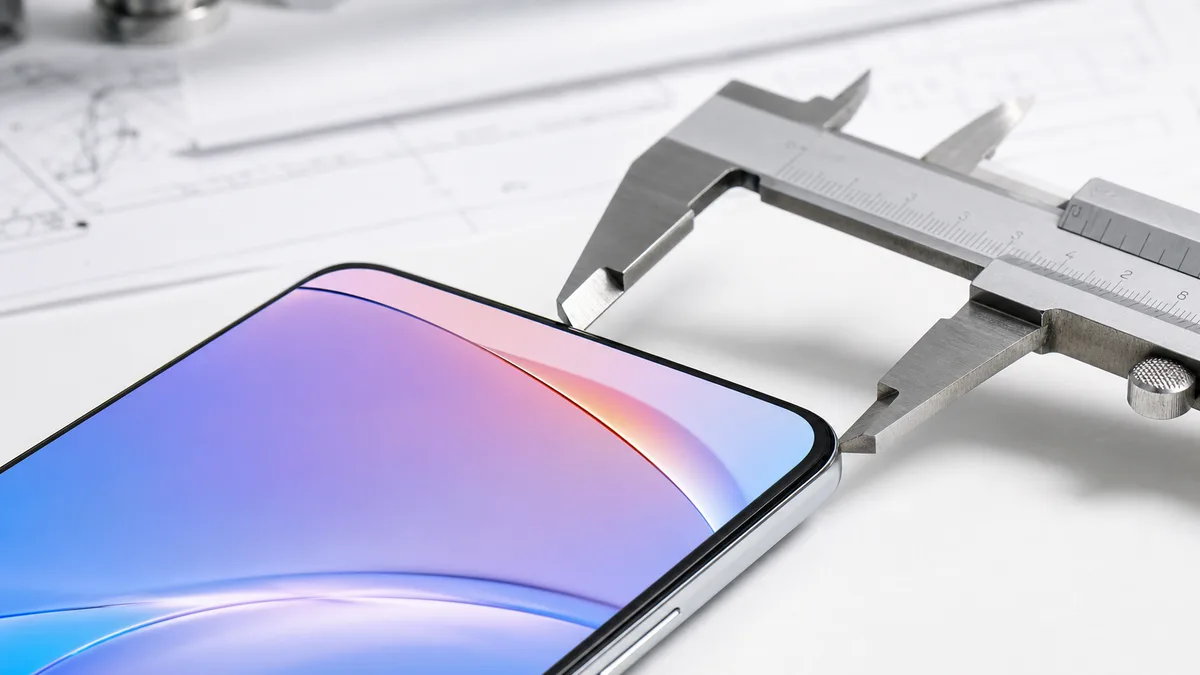
The phone display race has reached the millimeter stage. A Chinese report says the Xiaomi 16 series could bring panel bezels as narrow as about 1mm, a claim that would put the next Xiaomi flagship directly into the visual polish fight with Apple, Samsung, and other premium brands. It is a small number, but on a phone front it can change the entire impression of the device.
Thin bezels matter because they are one of the few upgrades people see before unlocking the phone. Processor changes need benchmarks, camera changes need samples, and AI changes need demos. A tighter border is immediate. It makes the display feel larger, the body feel more expensive, and the design feel more modern even when other dimensions remain familiar.
The engineering challenge is that bezels are not empty decoration. They hide display routing, structural support, touch layers, adhesives, antenna considerations, and manufacturing tolerances. Cutting them down while keeping durability and yield under control is difficult, especially at the volume a mainstream flagship series needs.
新浪网 surfaced the Xiaomi 16 bezel claim, and it fits Xiaomi's usual approach to flagship competition. The company likes visible hardware wins: fast charging, large batteries, bright displays, and slim borders that can be shown clearly in launch materials.
Why 1mm is not just cosmetic
A narrower bezel can make a phone easier to market, but it can also affect ergonomics. If the display reaches too close to the frame without good palm rejection, accidental touches become a problem. If the body becomes more fragile, repair costs rise. The best display design is not only the thinnest; it is the one that feels premium without making daily use worse.
Xiaomi may also be using display refinement to keep attention away from areas where flagship phones are harder to differentiate. Many premium devices now have excellent cameras, bright OLED panels, strong batteries, and similar chip options. When the spec sheet becomes crowded, industrial design details become more important.
This leak connects with the broader Chinese flagship push we have seen in battery and foldable stories, including our OnePlus large-battery phone coverage. Chinese brands are no longer only competing on price. They are trying to claim visible hardware leadership in areas buyers can understand quickly.
The Xiaomi 16 bezel claim still needs confirmation from real hardware. But whether the final number is exactly 1mm or simply very close, the direction is clear. The flagship phone face is becoming cleaner, tighter, and more display-dominant, and Xiaomi appears ready to use that as part of its next premium argument.
The display race is also a branding race. A phone with a cleaner front can look newer in advertisements, store displays, and comparison photos even if the upgrade is subtle in hand. Xiaomi understands that visual momentum matters. If the company can pair the slimmer border with battery life and camera gains, the design leak becomes part of a stronger flagship story.
That is why this kind of leak spreads quickly. It gives buyers a simple visual promise before the more complicated questions about software, camera processing, and regional pricing begin.