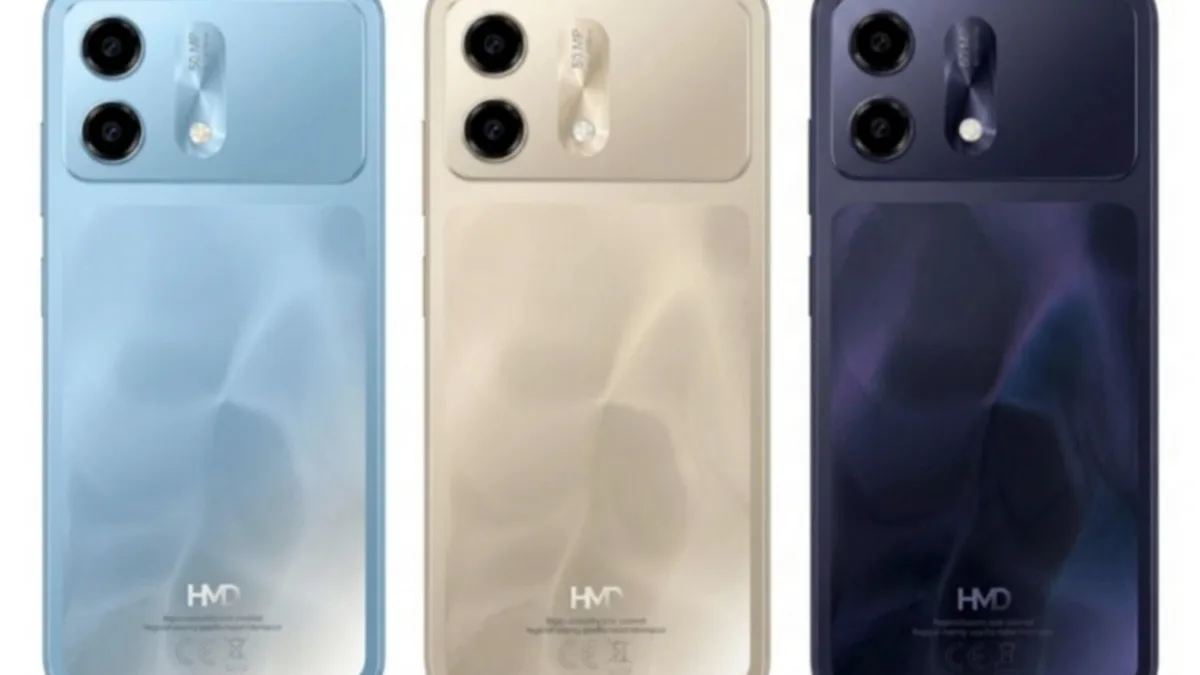
The HMD Luma 2 leak is interesting because it does not try to sell the phone as a spec monster. It sells a shape. The leaked images point to a budget handset with a very familiar iPhone-style camera island and a clean, squared-off back, which is exactly the kind of design shortcut that can make a cheaper device feel more expensive at first glance. That strategy is not new, but it is becoming more common as budget phone makers fight for attention in a crowded shelf.
HMD has been trying to build a post-Nokia identity around practical, repairable, and affordable devices. A phone like the Luma 2, if the leak is accurate, would add a more fashion-led angle to that plan. Buyers in this range may not expect flagship cameras or ultra-fast silicon, but they still notice whether a phone looks current. A familiar premium silhouette can help a low-cost model feel less like a compromise.
The risk is that copied design language can only carry the first impression. Once the phone is in hand, battery life, screen quality, camera processing, and software support matter more than the rear panel. We saw the same tension in our coverage of safer phone picks for younger users, where the most useful device is often the one that balances price, durability, and support rather than chasing the loudest design.
ChannelNews published the Luma 2 leak and shared the visual angle that has made the phone stand out before launch. The report frames the device as a budget model with a copycat iPhone design, so the final value will depend on whether HMD can support the look with useful hardware decisions.
That is where HMD has a chance to separate itself from the flood of budget Android phones. A clean back panel is easy to imitate. A sensible repair path, fewer unwanted apps, predictable updates, and a battery that still feels healthy after two years are harder. If HMD can combine those basics with a sharper exterior, the Luma 2 could feel like more than a cosmetic play.
The camera layout will also shape expectations. A phone that borrows a premium visual cue invites buyers to expect better photos, even if the components underneath are modest. HMD should be careful with that gap. If the camera bump promises more than the sensors deliver, reviews will focus on the mismatch. If the company keeps expectations grounded and emphasizes everyday reliability, the design can become an advantage instead of a liability.
For now, the leak shows how budget phones are evolving. The low end of the market is no longer only about the cheapest usable device. It is about making an affordable phone feel intentional. The Luma 2 may still change before release, but the leaked look suggests HMD understands that first impressions matter, especially when buyers are choosing among devices with similar chips, storage, and displays.
The most useful next leak would be less glamorous: update policy, repair pricing, and battery capacity. Those details decide whether an affordable phone becomes a good buy six months later. HMD has an opening because many budget phones still feel disposable after one or two software cycles. If Luma 2 combines a recognizable look with a cleaner support promise, it can turn the copycat criticism into a smaller part of the story. Buyers may forgive a familiar silhouette if the daily ownership experience feels honest, sturdy, and easy to maintain.