Silicon-carbon battery upgrades for older phones are a practical answer to a market problem that keeps getting sharper. New phones are becoming more expensive, memory prices are under pressure from AI demand, and consumers are keeping devices longer. If a battery replacement can meaningfully improve endurance, many owners may choose to refresh a good phone instead of buying a new one.
The idea is appealing because battery aging is one of the main reasons a phone feels old. The processor may still be fast enough, the camera may still be useful, and the display may still look fine. But if the phone dies by late afternoon, the whole device feels unreliable. A higher-density silicon-carbon replacement can change that daily experience without forcing a full upgrade.
This connects directly with the battery-first phone trend we covered in large battery phone leaks. Consumers are sending a clear signal: endurance matters again. Thinness and benchmark scores are not enough when people rely on one device for payments, maps, messaging, work, and travel.
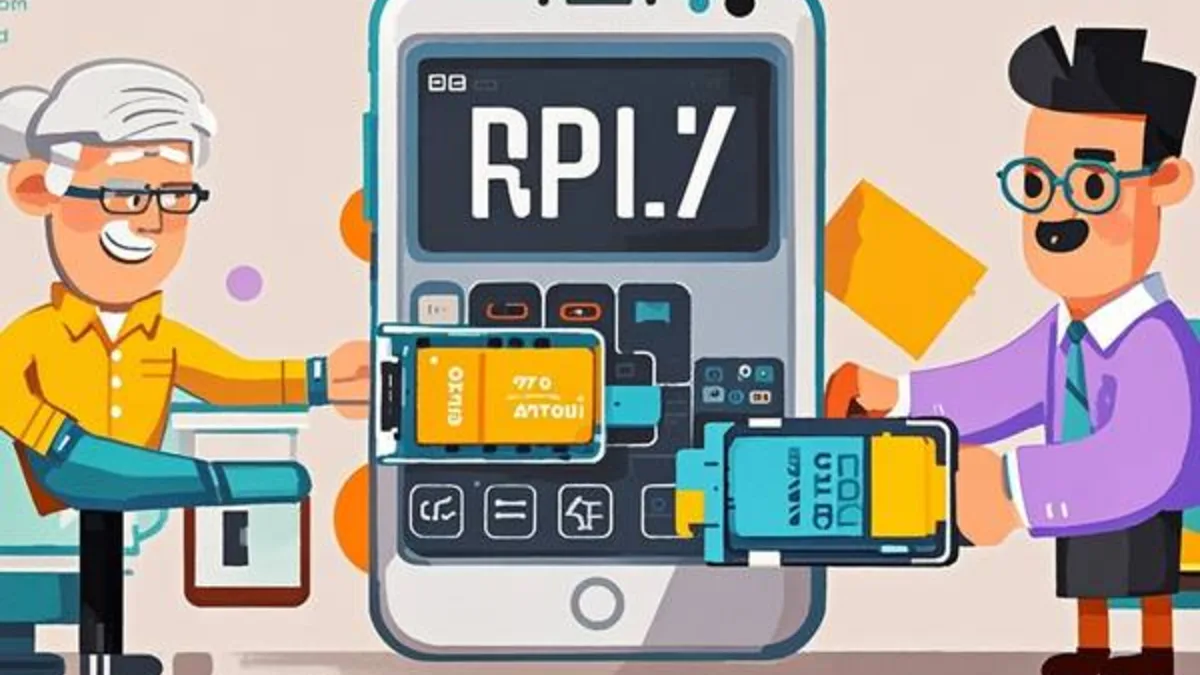
36Kr reported that Chinese phone makers such as Xiaomi and vivo have started testing battery upgrade services for older devices, including silicon-carbon negative-electrode battery options for models such as the Xiaomi 13 series. The report ties the trend to rising phone costs and longer replacement cycles.
There are several reasons this could work. First, it gives brands a service relationship with existing users instead of losing them to the next discount cycle. Second, it supports sustainability without relying only on slogans. Third, it gives owners a lower-cost way to keep a familiar phone. For many people, a battery upgrade is less disruptive than moving apps, settings, photos, and accessories to a new model.
The challenge is execution. Battery upgrades need safe parts, skilled service, clear warranty terms, and honest expectations. A larger or higher-density replacement must not create heat, swelling, or charging problems. Brands should also avoid treating battery upgrades as a way to dodge software support. A phone with a fresh battery still needs security updates to remain a responsible daily device.
If done well, silicon-carbon battery replacement could become one of the more consumer-friendly trends in smartphones. It would turn repair from a grudging after-sales chore into a meaningful product feature. That is good for buyers, and it may be good for brands too. A customer who trusts a company to extend an old phone's life is more likely to consider that company again when a full upgrade finally makes sense.
This could also change how reviewers and buyers talk about long-term value. A phone with an official high-quality battery upgrade path is different from a sealed phone with no realistic service option. Brands that advertise that path clearly may win trust from users who do not upgrade every year. The next competitive spec may not be only battery size at launch. It may be whether the battery story remains strong three years later.
It also gives repair networks a more positive role. Instead of only fixing broken parts, service centers could help users improve a phone they still like. That makes maintenance feel less like failure and more like ownership.