Thin bezels used to be a marketing phrase. Now they are becoming an engineering argument. Honor is drawing attention to the Honor 600 series front design, especially its claimed 0.98mm black border on all four sides. That number is small enough that the phone is no longer just trying to look modern; it is trying to show process control.
The point is not only that the bezels are narrow. It is that Honor is talking about how it got there. The company is framing the result around its own packaging process rather than simply following the LIPO route that many premium phones have used. That matters because display borders are shaped by real physical constraints, not just design sketches.
The hardest area is usually the cable bend region near the display edge. Phone makers have to route signals, protect the panel, preserve strength, and leave enough room for glue, buffering, and frame structure. Shrinking that area without weakening it requires manufacturing precision. A sub-1mm claim therefore needs more than a beauty render to be credible.
CNMO reported comments from Honor product executive Fang Fei, who said the Honor 600 series uses a Skyline packaging process, 12 self-developed patents, inner micro-cavity reinforcement, and graded outer glue sealing to push the border below 1mm while keeping a true four-sided equal-bezel look.
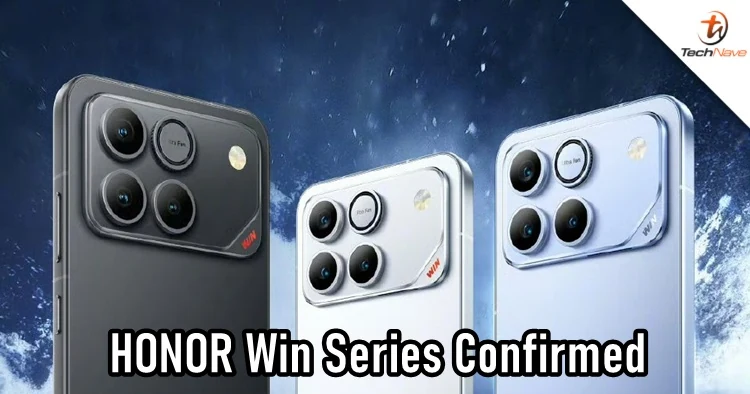
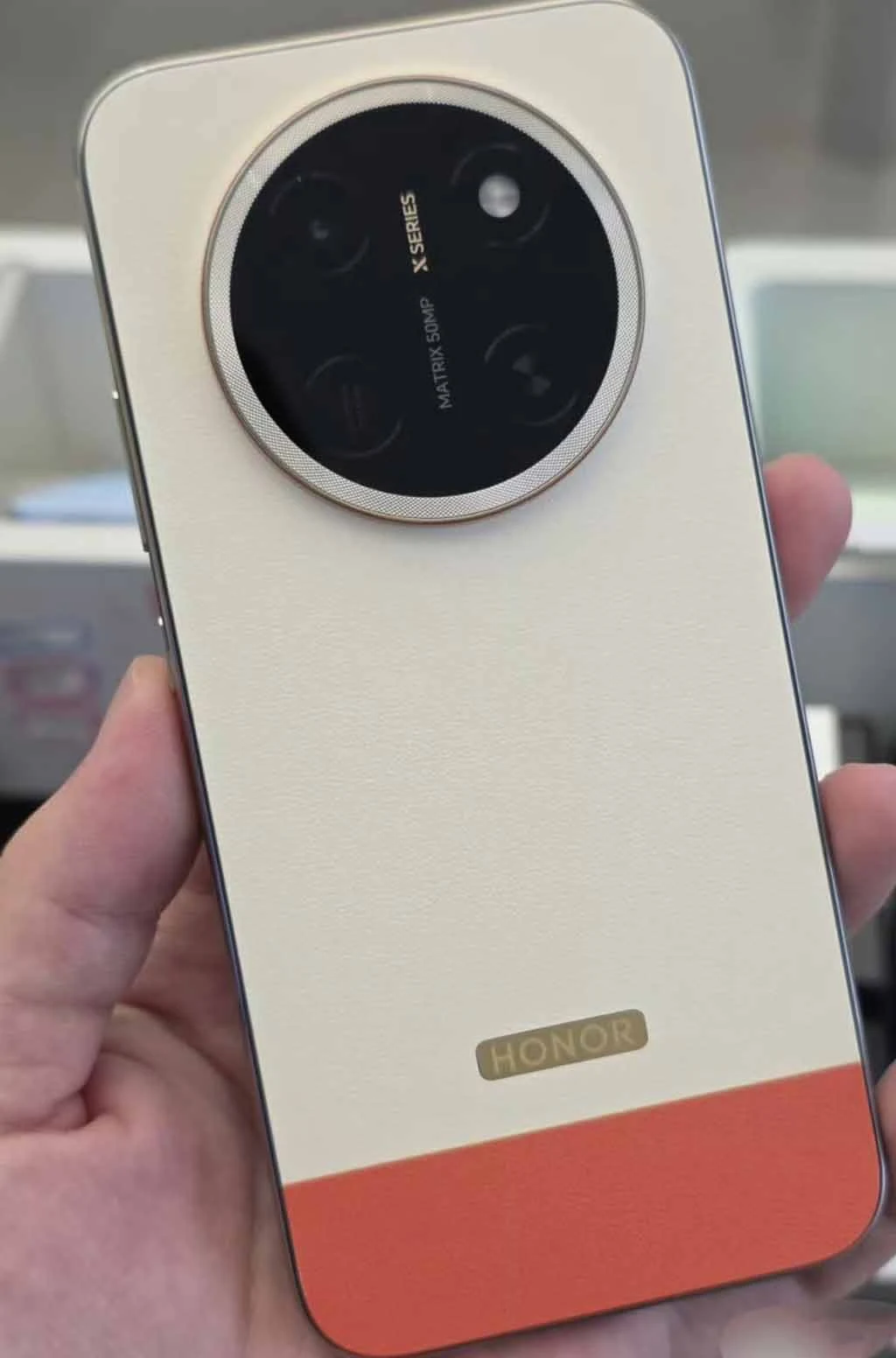
Honor is clearly trying to make the front of the phone part of the product identity. The Honor 600 series also uses a decorative back design with star-like elements, a metal frame, large corner radii, and several color options. Still, the front is what users stare at for hours. A nearly borderless rectangle can make a mid-premium phone feel more expensive than its chipset would suggest.
That approach fits Honors broader design-heavy push. We saw a similar confidence in our coverage of Honor phones mixing large batteries with premium styling. The company is not just chasing raw specs; it is trying to make hardware details visible enough that buyers remember them.
It also gives sales teams something tangible to show. Processor names can blur together, and battery claims need days to verify. A four-sided bezel is visible in seconds. If Honor can place the phone beside a rival with uneven borders, the design work becomes easy to understand without a long explanation. That kind of instant retail advantage is why manufacturers spend heavily on packaging details that many users never consciously name.
There are practical questions, too. Extremely narrow borders can make accidental touches more likely if edge rejection is weak. They can also reduce the safety margin around the panel during drops. Honor says its structural work improves strength, but durability will need long-term proof from users, repair shops, and teardown testing.
The real takeaway is that the display race has moved into smaller margins. Resolution, refresh rate, and brightness are still important, but physical packaging has become a differentiator. If Honor can keep the 0.98mm border visually consistent across units, the Honor 600 series will make bezel symmetry feel less like a flagship luxury and more like a standard other brands have to answer.