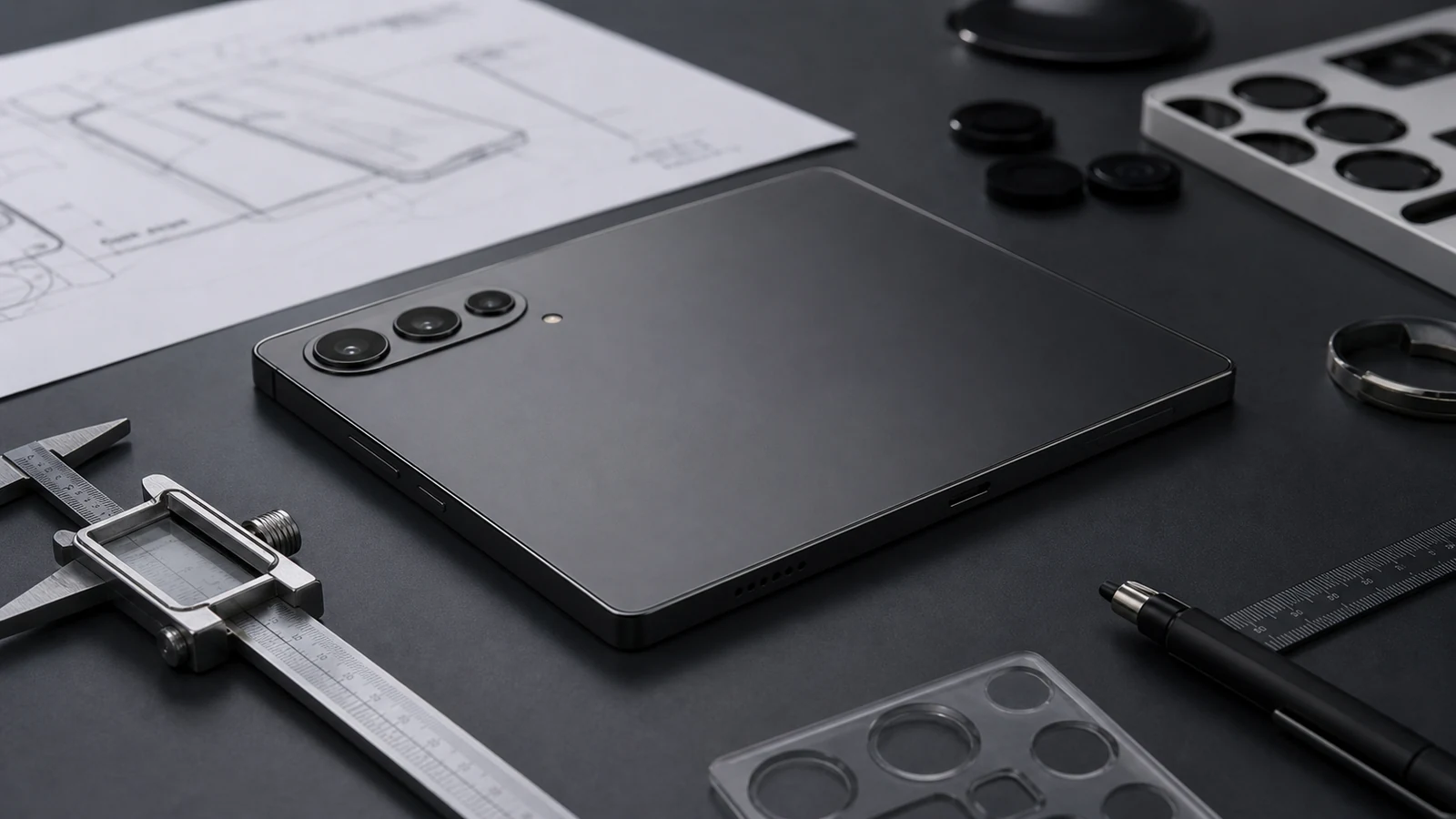
A leaked Huawei wide phone is a useful reminder that foldables are not the only way to rethink a handset shape. The reported device is described as a wider non-folding phone with camera, chip, and battery details, which means Huawei may be testing whether a broader slab can deliver some of the reading and multitasking benefits of a foldable without the hinge, crease, and durability questions.
The idea is not as strange as it sounds. Phone screens have become taller for years, and that helped video, scrolling, and one-handed grip. But tall screens are not always ideal for documents, maps, multitasking, camera controls, or side-by-side content. A wider phone could feel less elegant in a pocket yet more useful once it is in hand.
Samsung has been dealing with a similar debate on the foldable side, where wider cover screens have become a recurring demand. The existing Galaxy Z Fold 8 wide model leak showed why users keep asking for less cramped layouts. Huawei may be approaching that same comfort problem from a different direction.
Why a wide slab still matters
A non-folding wide phone avoids several foldable compromises. It can use a simpler display stack, a normal glass surface, a less complicated frame, and a battery layout that does not have to split around a hinge. That could make it cheaper and tougher than a foldable, even if it is less dramatic. For buyers who mainly want more usable screen width, that tradeoff might be acceptable.
The camera and chip details will decide whether the device feels like an experiment or a serious flagship branch. A wider body could provide room for better cooling and a larger battery, but it could also become too heavy. Huawei would need to use the shape for real benefits: stronger cameras, longer endurance, or productivity software that actually uses the extra space.
Software is the difficult part. A wide phone is only useful if apps scale gracefully. Keyboard layout, split view, camera viewfinder controls, document editing, and reading modes all need tuning. Otherwise the device becomes a large phone that simply shows stretched interfaces. Huawei has enough software experience to try, but third-party app behavior will still matter.
The leak also hints that the phone market is not finished with form factor experiments. Foldables, AI glasses, rings, and wider slabs all come from the same pressure: the normal phone rectangle is mature. Brands need new shapes, but the winning shape will be the one that solves everyday friction instead of only looking different.
One underrated advantage of a wider phone is typing comfort. Tall narrow phones can make keyboards feel cramped, especially for people with larger hands or those who write long messages on the move. A wider display can also improve split-screen layouts because each app gets a more usable column. That matters for messaging while browsing, checking maps while chatting, or comparing documents. The wider-phone details carried by Huawei Central make that productivity angle the most interesting part of the leak. Huawei would need to avoid making the device awkward for one-handed use, but it could frame the shape around usefulness rather than novelty. If the software gives users a reason to want the width every day, the unusual body stops looking like an experiment and starts looking like a practical alternative.