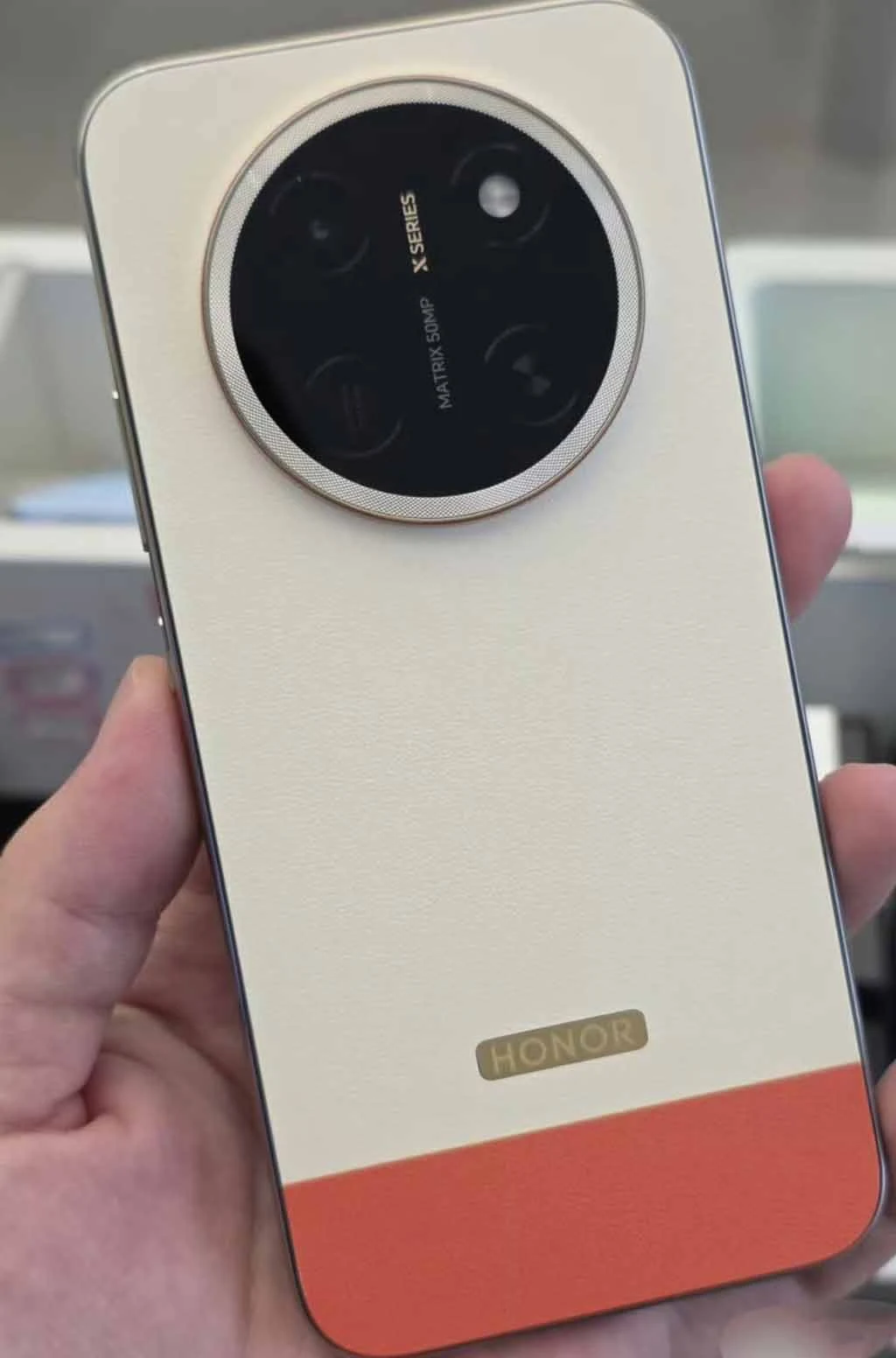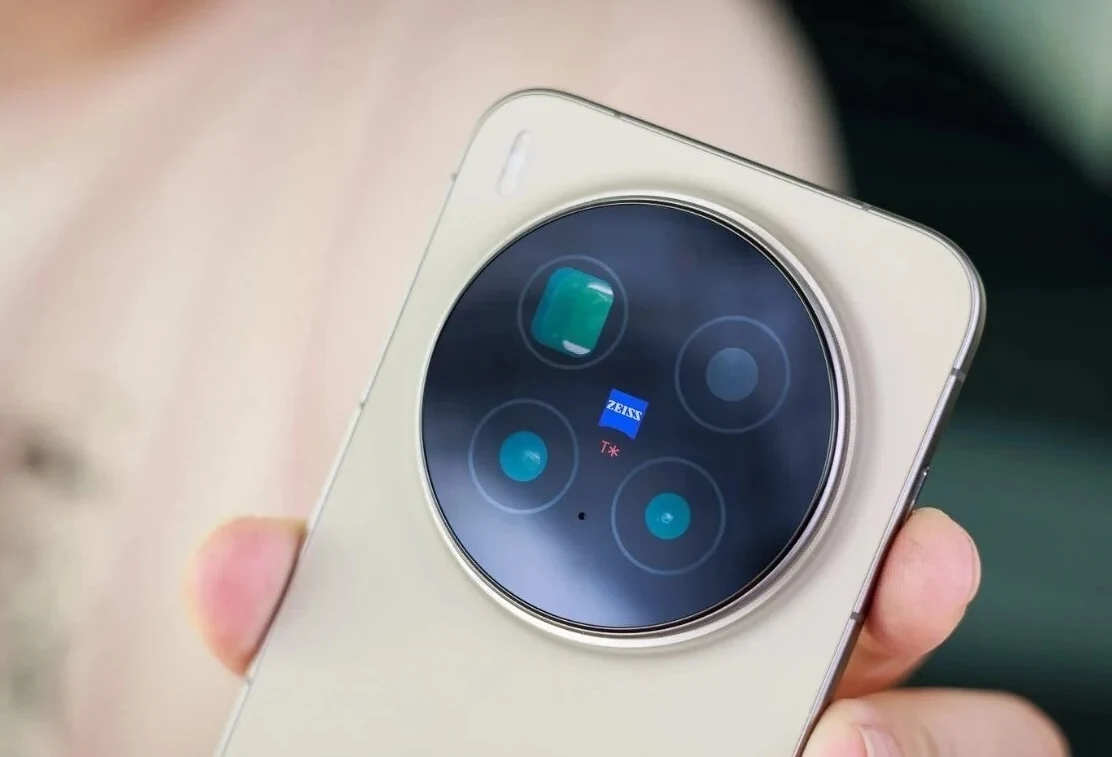
The Honor Magic 9 stylus rumor is not just about adding an accessory to a flagship phone. It points to a possible return of a product idea that many Android brands abandoned after Samsung turned the S Pen into a Galaxy Ultra signature. A stylus can look old-fashioned until software makes it useful again. If Honor is connecting the accessory to AI features, the company may be trying to turn handwriting, sketching, annotation, document cleanup, and app control into something more modern than a simple pointing tool.
That would be a smart move because large phones already have the screen size to justify pen input. The problem has always been friction. A stylus has to be available, accurate, supported in the right apps, and good enough that people use it after the first week. AI could help by reducing the work after the pen stroke: turning rough notes into structured reminders, cleaning sketches into shareable diagrams, summarizing marked documents, or recognizing mixed handwriting and typed snippets. That is where a Magic 9 stylus could feel different from older phone pens.
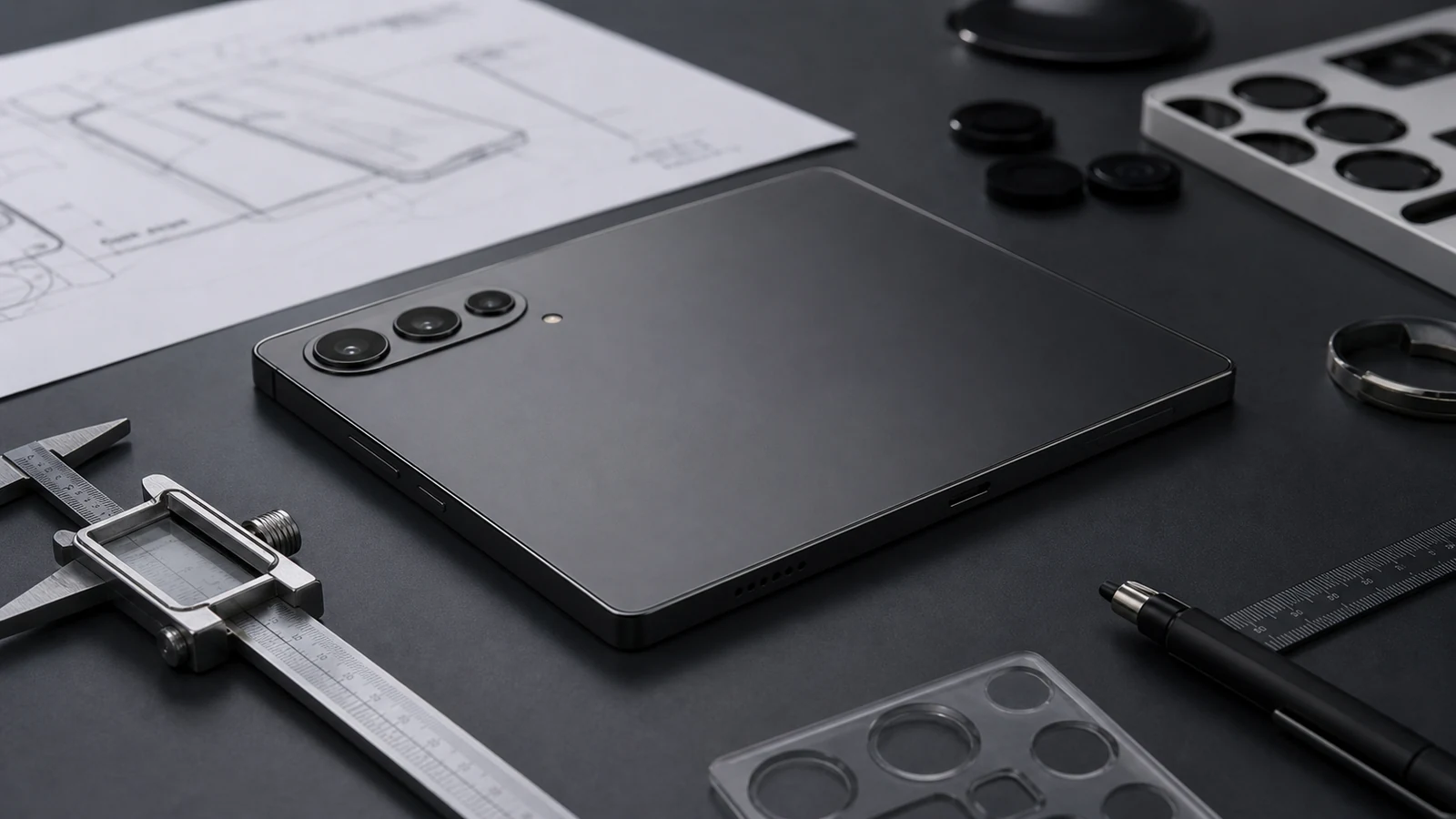
Honor also has a foldable and tablet ecosystem where pen support makes more obvious sense. Bringing that idea to a regular flagship would make the standard phone feel more like a small work surface. It would also create a new comparison point against Samsung, which has held the stylus space for years. If Honor can pair premium hardware with useful AI-assisted pen features, the Magic line could gain a productivity identity that is more specific than another brighter screen or faster chip.
The rumor reported by Huawei Central comes from Weibo tipster Smart Pikachu and suggests the Magic 9 series could be the first regular Honor handset family to get AI stylus support. The details are still early, and there is no confirmed storage slot, latency target, app list, or launch schedule for the accessory. Still, the idea is believable because AI gives phone makers a new reason to revisit input methods that looked finished. The risk is equally clear: if the stylus is sold as a vague AI feature without practical daily shortcuts, it will become a marketing prop instead of a reason to buy the phone.
The hardware question is whether Honor builds the stylus into the phone or treats it as an external accessory. A built-in slot makes the feature feel permanent, but it takes internal space away from battery, speakers, cooling, and camera hardware. An external pen is easier to design around, but easier to forget at home. Samsung learned this lesson over several generations. If Honor wants people to use the pen daily, the accessory needs a home, a fast pairing path, and a charging method that does not feel awkward.
The software question is even bigger. AI stylus features should not mean a pop-up menu full of vague shortcuts. The useful version would recognize meeting notes, clean handwritten math, turn marked screenshots into tasks, and let users control a presentation or document with natural pen gestures. Honor has to make the feature feel like time saved, not another interface layer that asks the user to learn new habits for no clear reward.