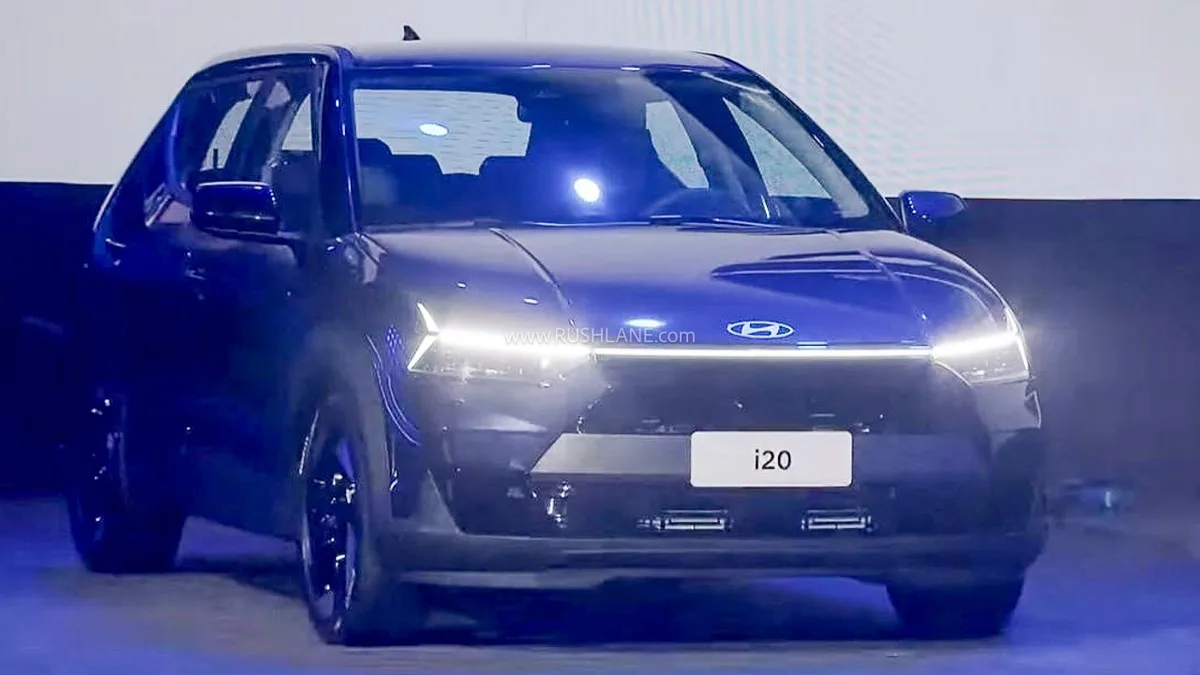
The new Hyundai i20 launch in Brazil is a reminder that hatchbacks are changing shape to survive. The i20 is no longer being presented only as a compact city car. In Brazil, the latest model grows to around 4.1m, uses Hyundai's K3 platform and moves closer to small-SUV territory in size and stance. That is a clear response to what buyers now expect from affordable cars.
Brazil is a market where hatchbacks still matter, but they have to compete with compact crossovers that promise more presence and practicality. Hyundai's answer is not to abandon the hatchback name. It is to make the i20 larger, more spacious and more feature-rich while positioning it between the HB20 and Creta. That gives the model a distinct role rather than forcing it to replace an existing bestseller.
RushLane reported that the new Hyundai i20 has launched in Brazil with pricing from BRL 99k, a 4.1m body, K3 platform and ADAS safety features. Those details show Hyundai is treating the car as a more premium and more mature hatchback than the traditional i20 image might suggest.
The launch also gives useful context to our earlier Hyundai i20 launch-watch coverage, which discussed how i20-related updates can matter in markets where hatchbacks still fight for attention. Brazil's version shows one possible direction: make the hatchback bigger and more SUV-like without fully turning it into a crossover.
The ADAS angle is important. Safety technology is moving down the price ladder, and buyers increasingly expect features such as lane support, automatic braking or driver alerts in mainstream cars. If Hyundai packages those features well, the new i20 can feel more advanced than older compact hatchbacks and justify its higher positioning.
The risk is identity. A larger hatchback can become more practical, but it can also lose the nimble, affordable character that made small cars appealing. Hyundai has to make sure the i20 still feels easy to drive and own. If it becomes too expensive or too close to the Creta, buyers may simply move to the crossover instead.
For emerging markets, this release may signal how global hatchbacks adapt. They cannot stay tiny, basic and cheap forever because buyers demand screens, safety, cabin space and stronger design. But they also cannot become so expensive that they abandon their core audience. The balance is difficult, and Brazil will be a useful test.
The Hyundai i20 Brazil launch shows the hatchback segment bending under SUV pressure rather than disappearing. Hyundai is using size, safety and platform upgrades to keep the body style relevant. If buyers respond, the i20 could prove that compact cars still have a place when they evolve around modern expectations instead of clinging to old small-car rules.
The most interesting measure will be conquest sales. If the new i20 pulls buyers from small crossovers, Hyundai will have found a useful middle lane. If it mainly shifts existing hatchback shoppers upward, the model still helps margins but says less about the future of the segment overall in Brazil.