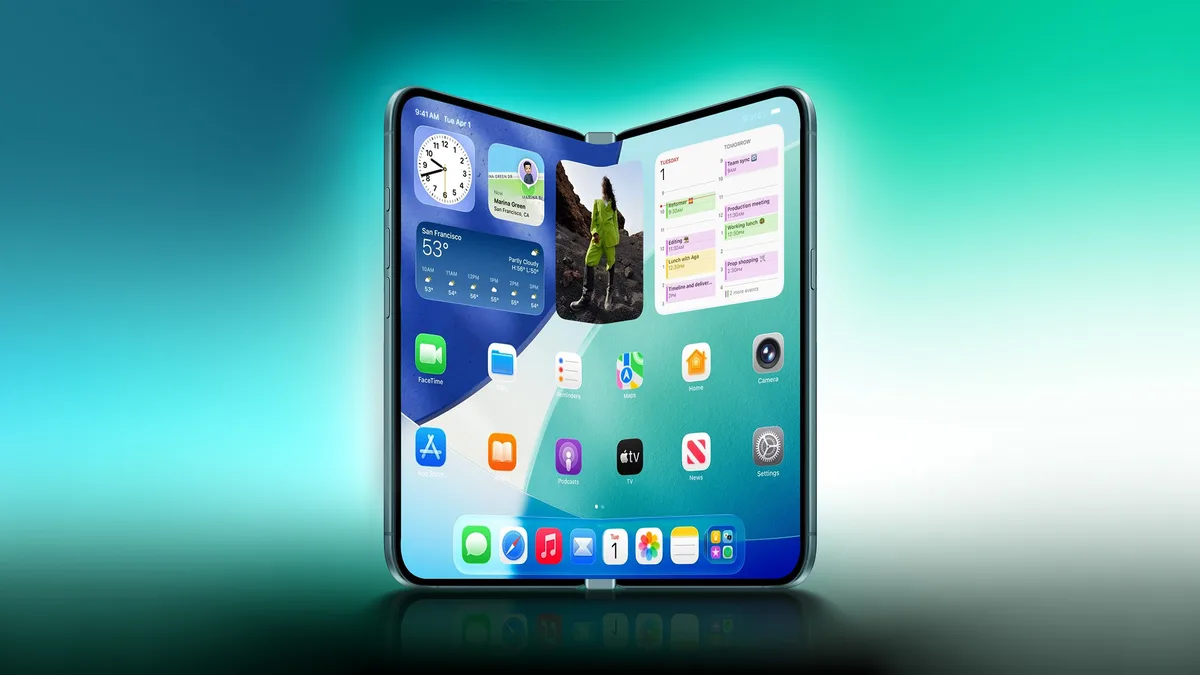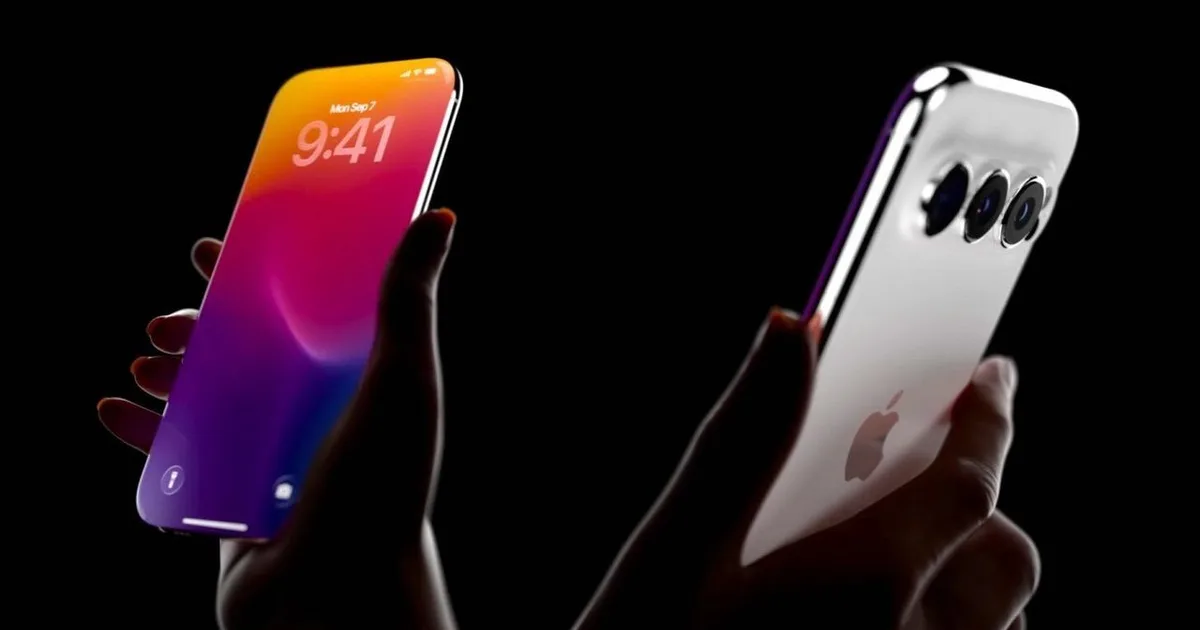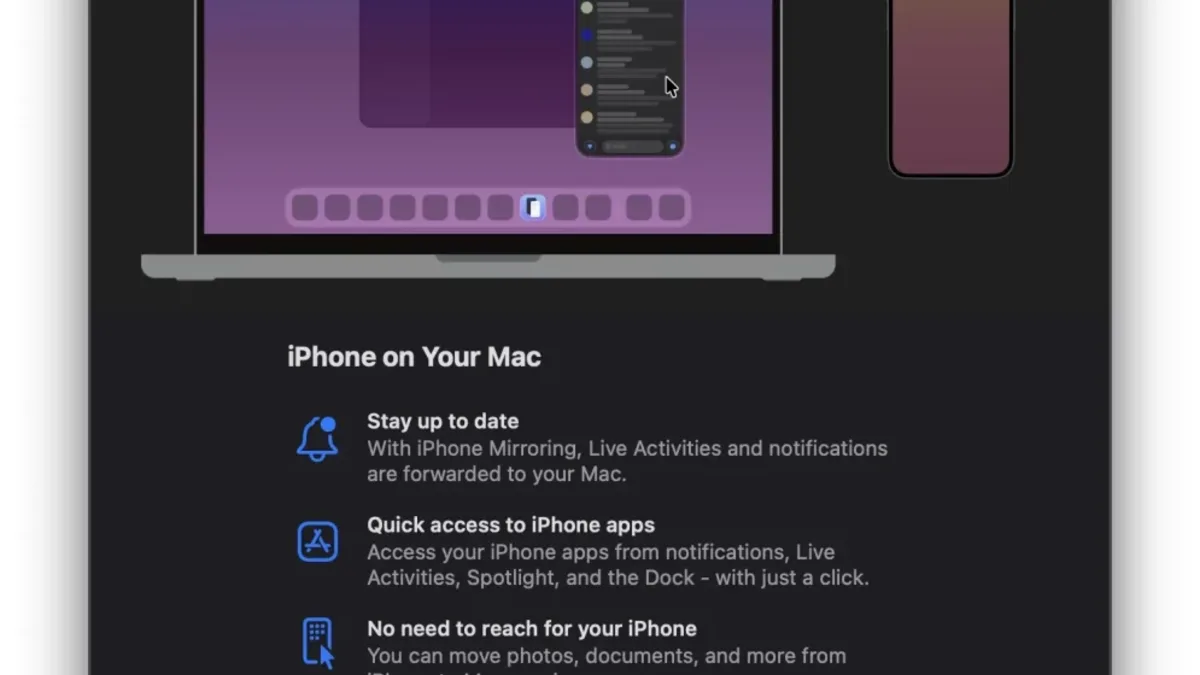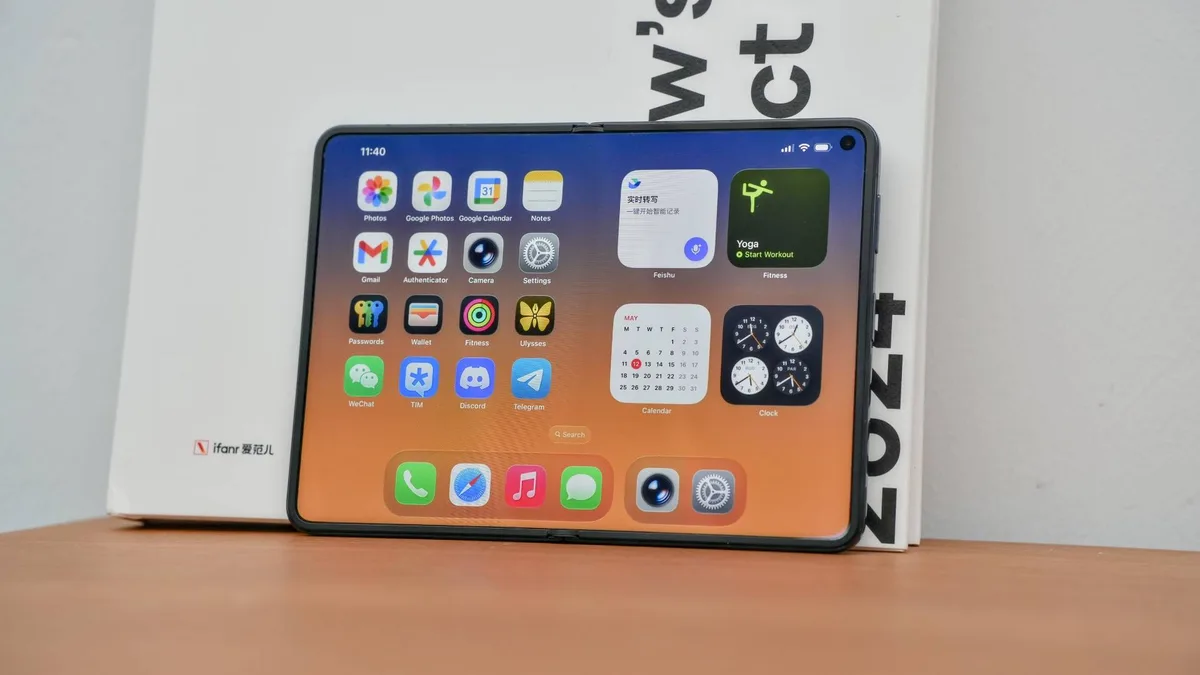
Foldable iPhone speculation becomes more serious when it moves from supply-chain guessing into operating system clues. New Chinese coverage of iOS 27 points to references and interface behavior that appear designed for folding screens, including concepts such as fold state, angle information, and multiple logical displays. None of that is a launch announcement, but it does suggest Apple is preparing software for a device that is not shaped like a normal iPhone.
Software clues matter because Apple rarely treats new hardware categories as isolated objects. The company builds frameworks, developer guidance, app behaviors, and continuity patterns before a product becomes public. If iOS is gaining deeper awareness of folding states and display configurations, Apple is not simply testing a hinge in a lab. It is thinking about how apps should behave when the physical screen changes shape.
That is the hard part of foldables. The hinge is visible, but the experience depends on transitions. Apps need to move from cover screen to inner screen without confusion. Video calls, keyboards, multitasking, widgets, and camera previews all need sensible layouts. A foldable iPhone that runs iPhone apps as stretched phone windows would feel unfinished immediately, no matter how elegant the hardware looks.
爱范儿 examined iOS 27 and highlighted clues tied to foldable behavior, including fold-state language, angle information, logical display handling, and layout guidance. The report frames these traces as Apple effectively preparing the platform for a foldable iPhone, even if the company has not said that publicly.
The angle detail is especially interesting because it hints at more than open or closed states. A device that understands partial folding can support laptop-like postures, camera stands, split controls, and tabletop modes. Samsung and other Android brands already use these ideas, but Apple will need to make them feel native to iOS rather than copied from another platform.
This lines up with our previous report on iOS 27 clues pointing again to iPhone Fold and touchscreen MacBook possibilities. The recurring nature of these software traces is what makes the story stronger. One odd reference can be dismissed. A pattern across interface behavior, display logic, and developer-facing language is harder to ignore.
Apple's biggest advantage may be its existing iPad work. A foldable iPhone with an inner display will borrow ideas from iPad multitasking, keyboard handling, and responsive app layouts. The challenge is scale. A foldable phone is not a small iPad or a big iPhone. It moves between states constantly, and users expect each state to feel intentional. That is why software preparation has to begin early.
Developers will be watching for practical guidance, not only hidden symbols. If Apple wants third-party apps to feel ready on day one, it has to make layout rules clear before the hardware appears. A foldable launch with stretched, confused apps would damage the first impression immediately.
The iOS 27 clues do not prove timing, price, or final design. They do show that Apple's foldable work is no longer only a materials rumor. The company appears to be shaping the operating system around future hardware behavior. If the first foldable iPhone arrives in the next cycle, these quiet framework changes may be the foundation that makes it feel like an Apple product instead of a late reaction to Android foldables.