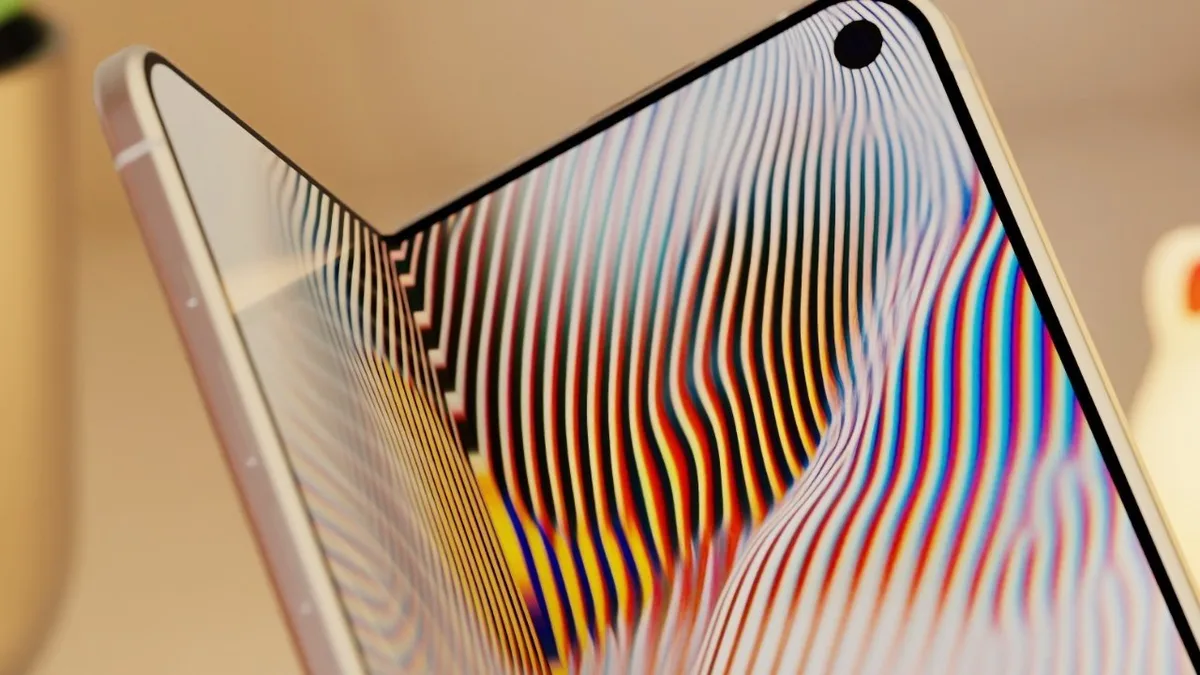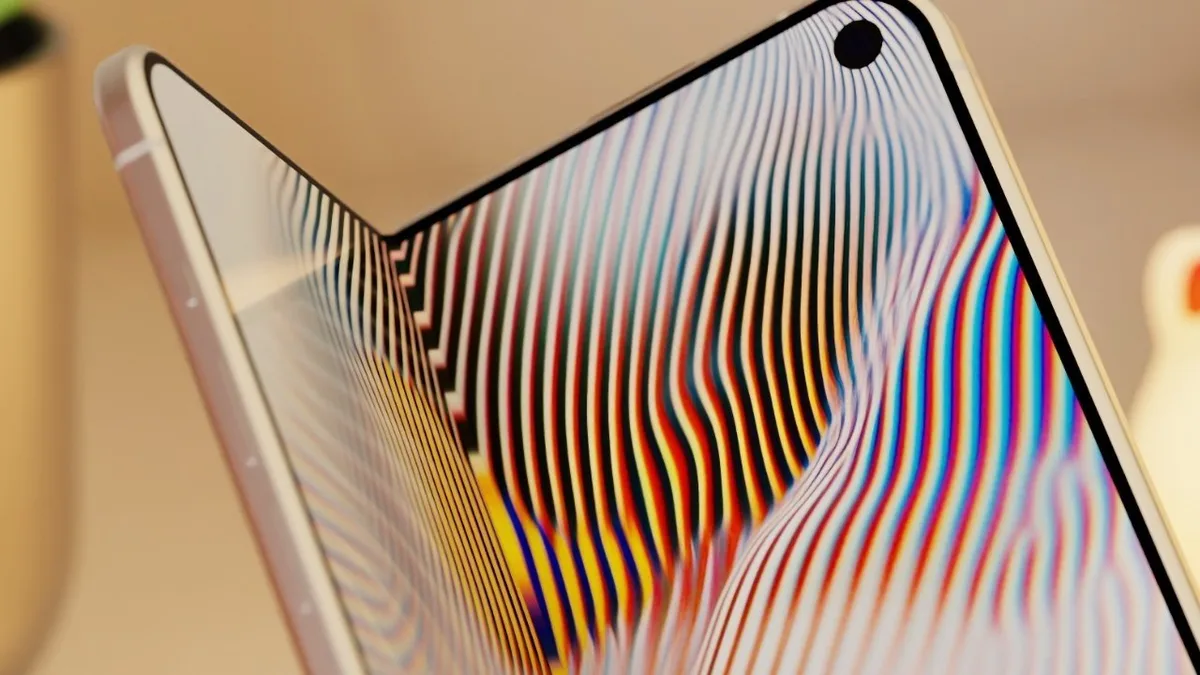
The iPhone Fold rumor is staying alive because the evidence has moved from vague future talk to software behavior people can inspect. Chinese-language coverage from Hong Kong and Taiwan-focused Apple media is now highlighting iOS 27 and macOS 27 beta clues that may point toward a foldable iPhone and a touchscreen MacBook. That gives the rumor a different texture than another analyst timeline.
Software clues matter because Apple usually builds platform foundations carefully. A foldable iPhone would need the operating system to know whether the device is open, closed, angled, mirrored, or using multiple display states. It would also need apps to behave properly across unusual aspect ratios. If references to folding state or expanded mirroring appear in the software, they are not random decoration. They are potential signs of preparation.
The iPhone Fold conversation also overlaps with a bigger question about Apple's premium lineup. Would a foldable replace the Pro Max as the most expensive iPhone, sit above it as an Ultra device, or become a separate experiment? The answer affects cameras, battery life, durability, and how Apple explains the product to people who already own an iPad. Our earlier foldable iPhone Ultra dummy report showed why even the size and shape can change expectations.
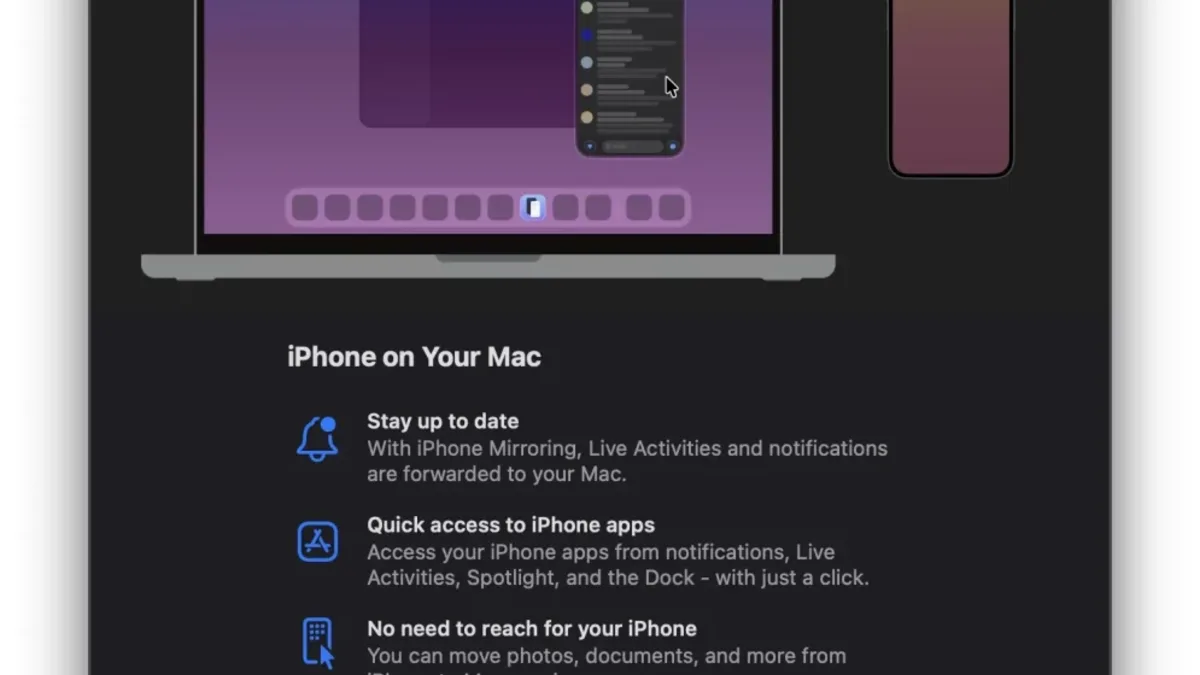
NewMobileLife focused on beta evidence such as iPhone Mirroring behavior that can stretch toward iPad-like width, code references tied to folding posture, and macOS touch-related interface clues. The report frames these as some of the most direct signs yet that Apple is preparing new hardware categories inside its existing platforms.
The touchscreen MacBook clue is important because it suggests Apple may be softening multiple boundaries at once. A foldable iPhone blurs the phone and tablet line. A touch-enabled MacBook blurs the Mac and iPad line. Apple will not want either product to feel like a confused hybrid, so the software has to make the new interactions feel obvious. That is harder than adding a spec to a marketing page.
For developers, the message is already clear even without an announcement. Apps need to be adaptive. They need to handle resizable windows, unusual display ratios, touch targets, external displays, and continuity across devices. Apple has been pushing those ideas for years, but a foldable iPhone would make them urgent. Poorly adapting apps would stand out immediately on a large square-ish inner screen.
That developer pressure could also affect app business models. A larger foldable canvas makes productivity, reading, drawing, video editing, and multitasking features easier to sell, but only if apps feel native on day one rather than stretched from a regular iPhone layout.
Chinese-language coverage also matters because Apple's foldable would enter a market where Chinese brands are already mature. Buyers in the region have seen thin foldables, book-style foldables, clamshells, and experimental wide formats. Apple will not introduce the category there. It will have to justify why its version is better, more reliable, or more integrated.
The latest beta evidence does not answer when the iPhone Fold will launch, but it makes the preparation harder to ignore. If Apple is laying software tracks now, the hardware train may still be out of sight, but it no longer feels imaginary.