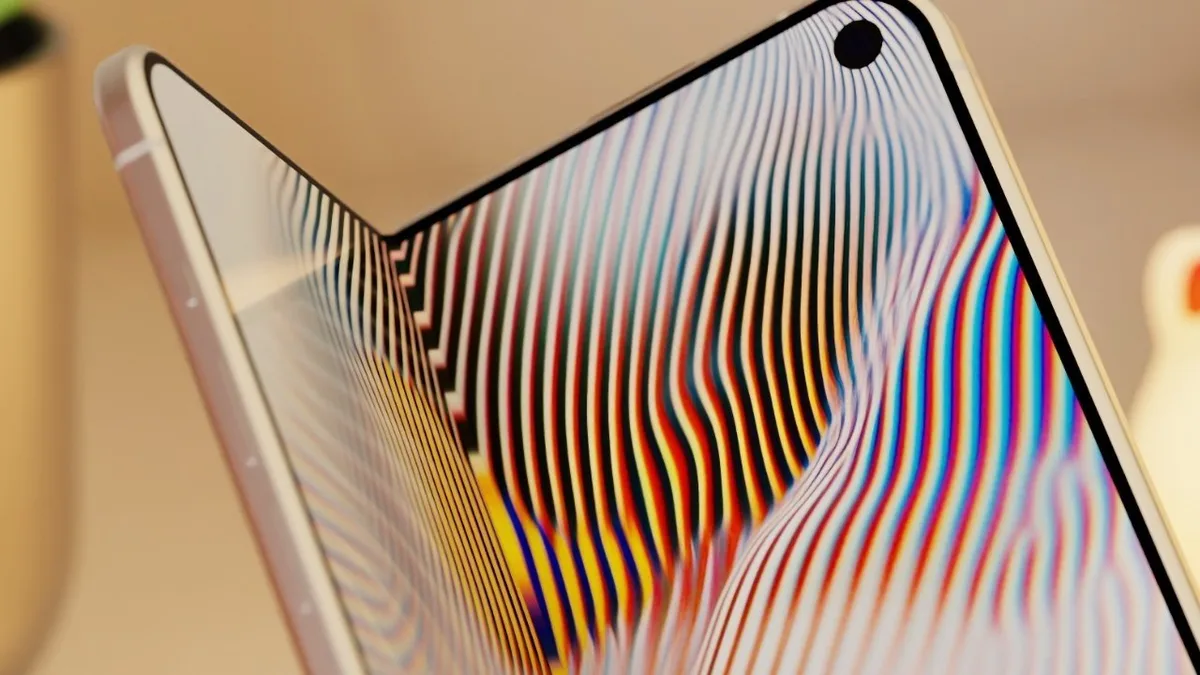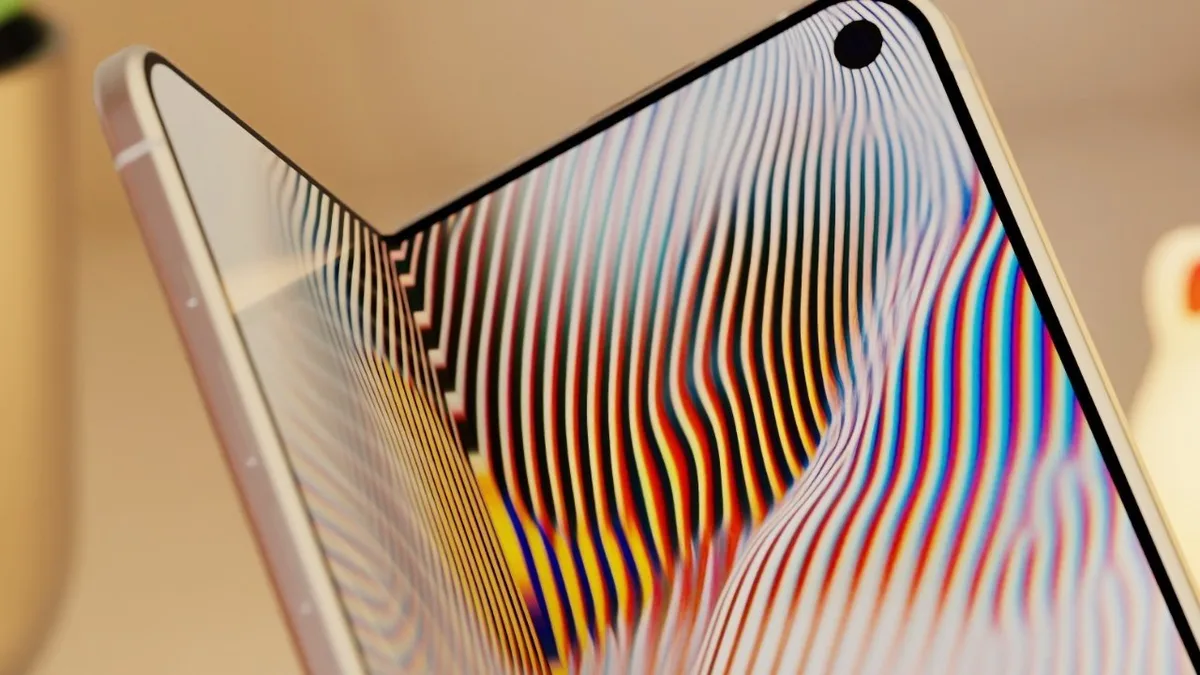
Chinese-language tech media are now closely tracking the same Apple software clues that have fueled global iPhone Fold speculation. That matters because Apple rumors no longer move through one region or one analyst note. They travel through developer betas, supply-chain interpretation, component history, and local-language reporting that often reaches different parts of the Apple audience at different speeds.
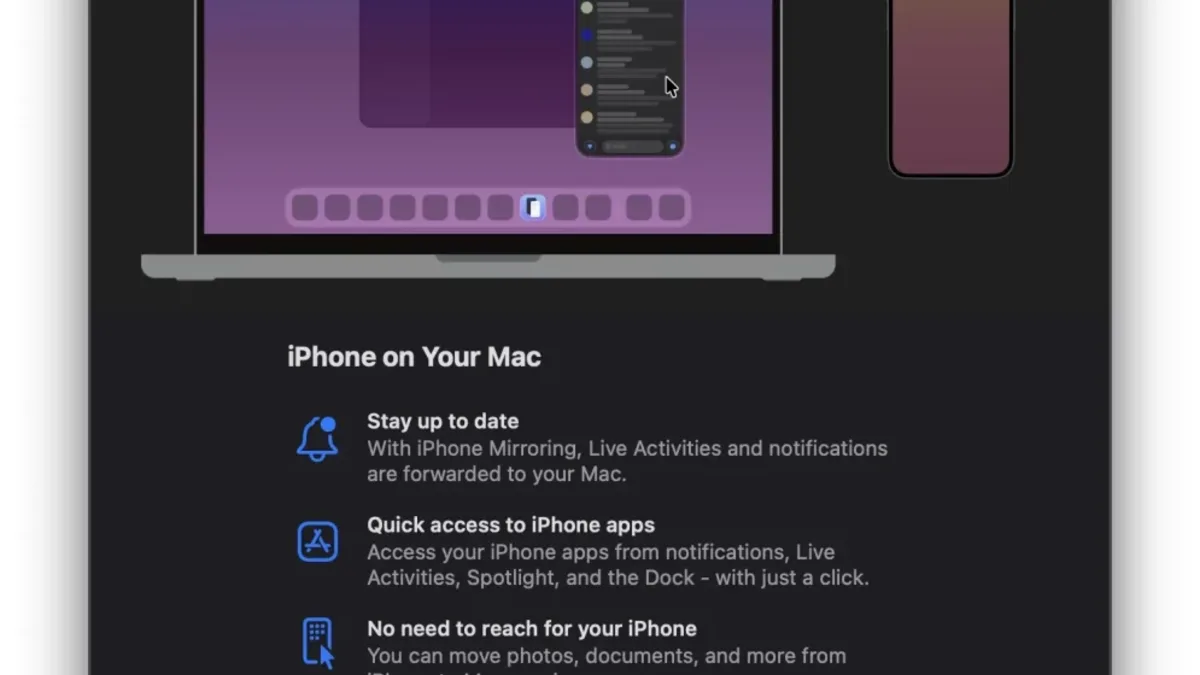
The latest discussion centers on iOS 27 and macOS 27 references that appear to prepare for new hardware categories. The possible clues include fold-related states, wider iPhone mirroring behavior, touch-friendly interface ideas, and gestures that make more sense if Apple is thinking beyond today's fixed iPhone and non-touch MacBook layouts. Each clue alone can be debated. Together, they create a more serious pattern.
This is not the same as a launch confirmation. Apple can test interface ideas years before shipping a product, and beta code can include unused scaffolding. Still, the company is unusually careful about platform behavior. If iOS and macOS are gaining hooks that support folding screens or direct Mac touch, those hooks probably serve a product direction Apple wants developers and internal teams to be ready for. That also connects with earlier iPhone hardware material leaks, where small technical choices hint at broader roadmap priorities.
ITHome reported the Apple clues in Chinese, focusing on how iOS 27 and macOS 27 may point toward a foldable iPhone and a touchscreen MacBook. The value of that coverage is not translation alone. It shows that the same beta evidence is being weighed by Chinese Apple watchers who also follow display suppliers, manufacturing timing, and regional product demand.
An iPhone Fold would need more than a folding panel. Apple has to solve app resizing, keyboard placement, split views, camera behavior across open and closed states, and battery expectations. The company also has to make the device feel less fragile than early foldables felt. Software clues are therefore important because they suggest Apple may be preparing the user experience before asking people to pay for a new form factor.
The touchscreen MacBook possibility is more culturally disruptive for Apple. The company has long kept Mac and iPad roles separate, even as the hardware moved closer in power. If macOS gains more direct-touch behaviors, Apple could introduce a MacBook that supports occasional touch without turning into a tablet. That would be a meaningful shift for users who have wanted simple taps, drawing, or presentation control on a Mac display.
Chinese coverage also reminds us that Apple leaks are global products before they are public products. A foldable iPhone would compete directly with mature foldables from Chinese brands, many of which already offer thin bodies, large inner screens, and fast charging. Apple can rely on ecosystem strength, but it will still be judged against hardware that has improved quickly.
The iOS 27 clues do not answer price, date, durability, or final design. They do make the foldable iPhone feel less abstract. When platform behavior starts changing, the hardware conversation becomes harder to dismiss. Apple may still wait, but the groundwork now appears visible enough for the rumor cycle to enter a more serious phase.