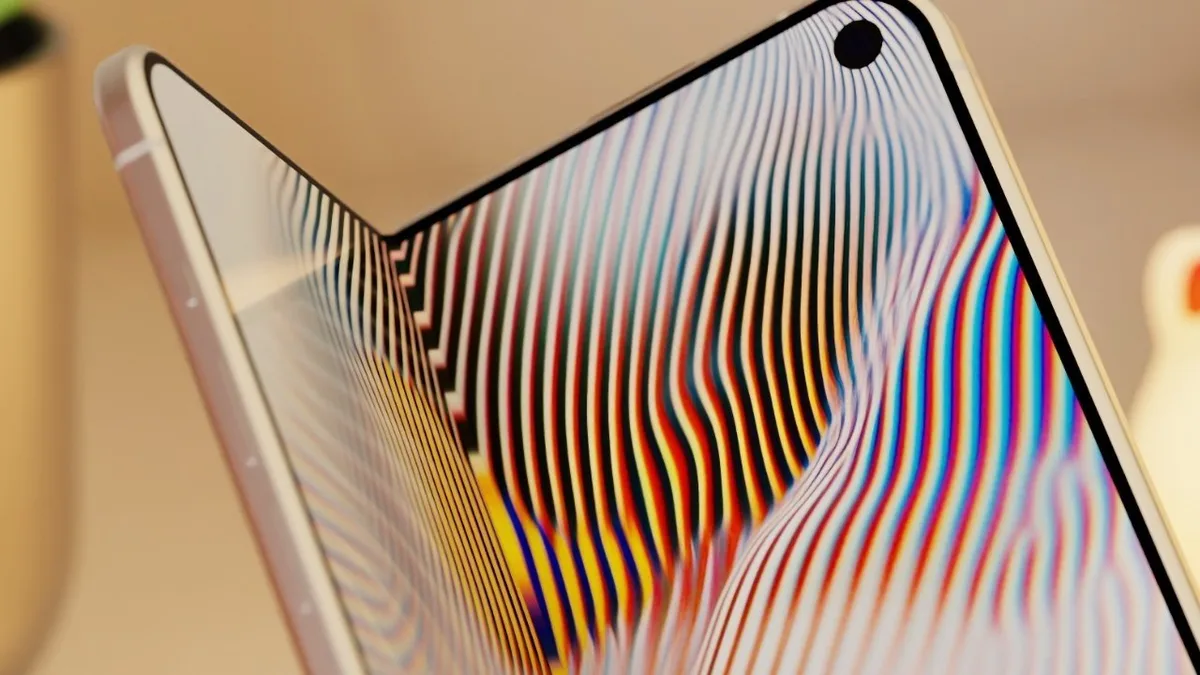
Apple foldable rumors have lived for years on analyst notes, patent filings, display supplier whispers, and carefully worded roadmap claims. The latest iOS 27 and macOS 27 clues feel different because they appear to come from Apple's own software direction. When platform code starts preparing for folding states, wider mirrored layouts, and touch-friendly Mac behavior, the rumor stops sounding like a distant wishlist and starts looking like infrastructure.
That does not mean an iPhone Fold is guaranteed to launch immediately. Apple often lays groundwork before hardware is ready, and some features can serve multiple purposes. But software support is one of the hardest parts of a foldable product. Apps need to adapt to changing screen sizes, the system needs to understand open and closed positions, and developers need to think beyond a single fixed rectangle. Apple would not need that level of preparation unless it saw a credible hardware path.
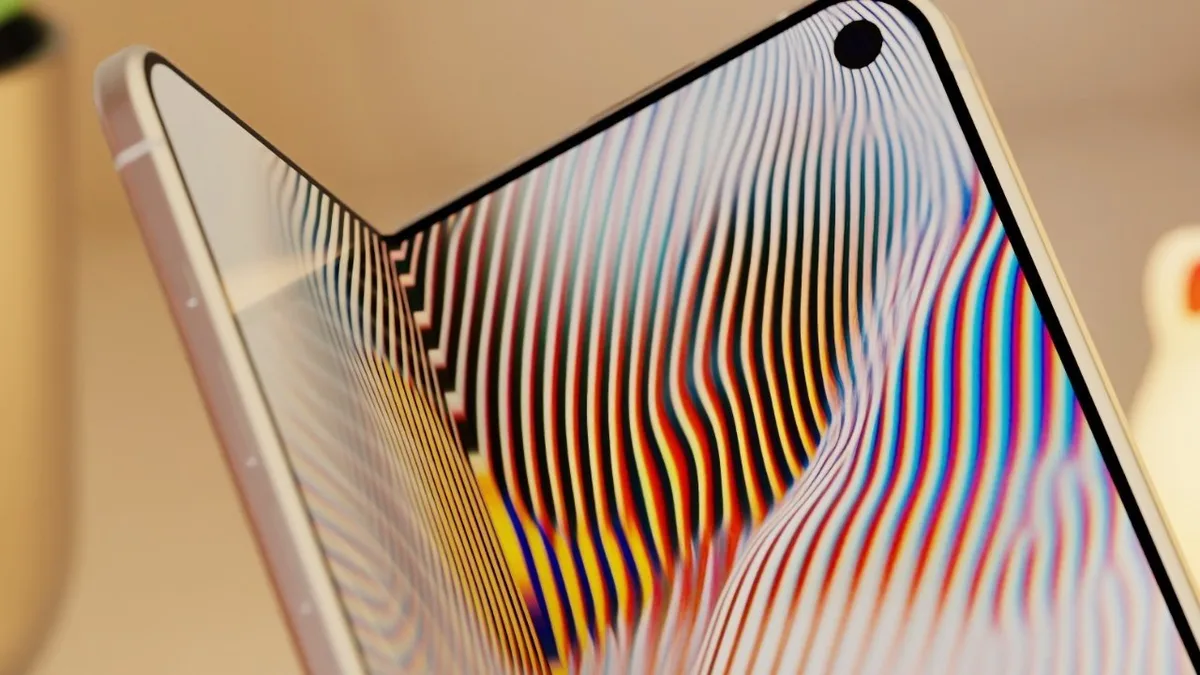
The possible iPhone Fold also fits the wider market pressure. Samsung, Honor, Oppo, Vivo, Huawei, and others have spent years proving what works and what feels awkward in foldables. Apple can wait longer than rivals, but it cannot wait forever if high-end phone buyers start treating a large folding display as a real productivity tool. Our recent foldable iPhone dummy coverage showed why the shape question matters as much as the brand.
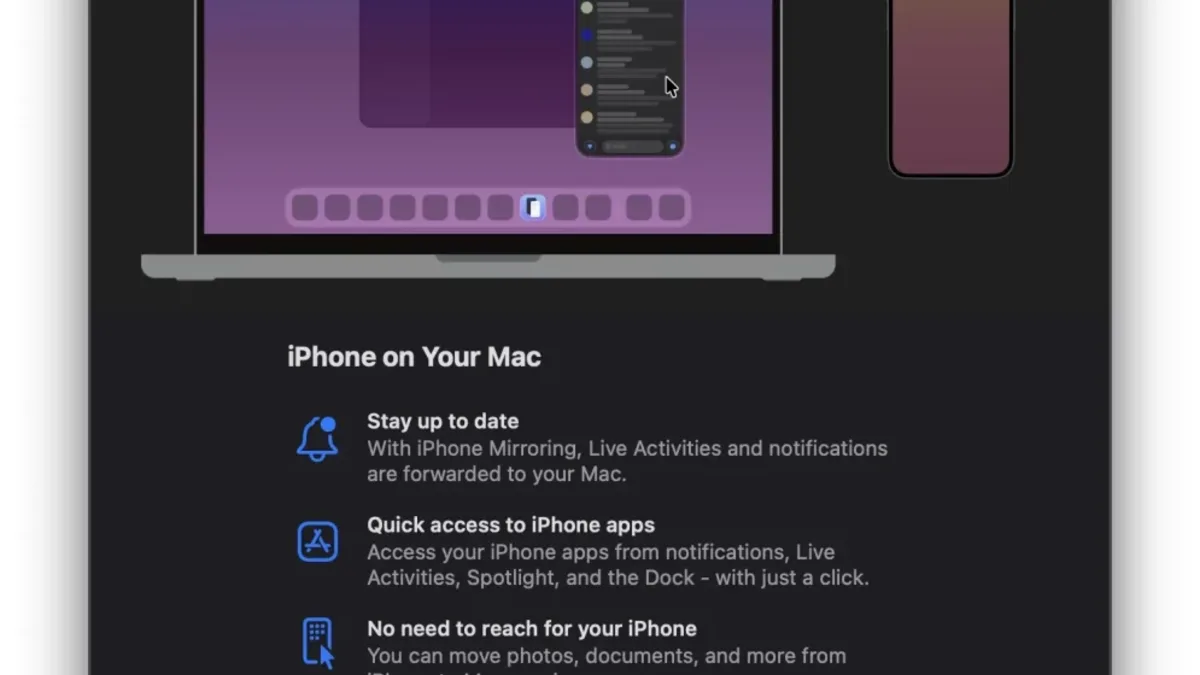
AppleInsider points to evidence in iOS 27 and macOS 27 that may relate to a folding iPhone and a touchscreen MacBook. The details reportedly include references that make more sense when a device can change posture or when a Mac interface needs to respond to direct touch. Even if some clues are ambiguous, the pattern is worth taking seriously.
The touchscreen MacBook angle is just as important. Apple has spent years separating iPad and Mac input models, often arguing that touch belongs on the iPad. But if macOS keeps gaining gestures, adaptive interface elements, and tighter continuity with iPad behavior, the old boundary becomes softer. A touch-capable MacBook would not have to become an iPad. It could simply make certain actions quicker when the screen is close enough to tap.
For the iPhone Fold, the software challenge is more dramatic. Apple would need to make the outer display useful, the inner display elegant, and app transitions feel invisible. If the first model launches with awkward scaling, inconsistent keyboards, or poor third-party support, Apple's late arrival would look less disciplined. That is why these early software clues matter. They suggest the company may be preparing developers and system components before the hardware becomes public.
The bigger question is how Apple will position the device. A foldable iPhone could be a phone-tablet hybrid, a productivity-first iPhone Ultra, or an expensive halo product that tests demand before a broader rollout. Each path affects battery size, camera expectations, thickness, durability messaging, and price. Apple has to make the first version feel deliberate, not like a catch-up product.
For now, the evidence adds weight to a long-running rumor without turning it into a launch announcement. The best reading is simple: Apple appears to be making its platforms more ready for hardware that bends, touches, and adapts. That is the clearest sign yet that the foldable iPhone conversation is moving from speculation toward preparation.