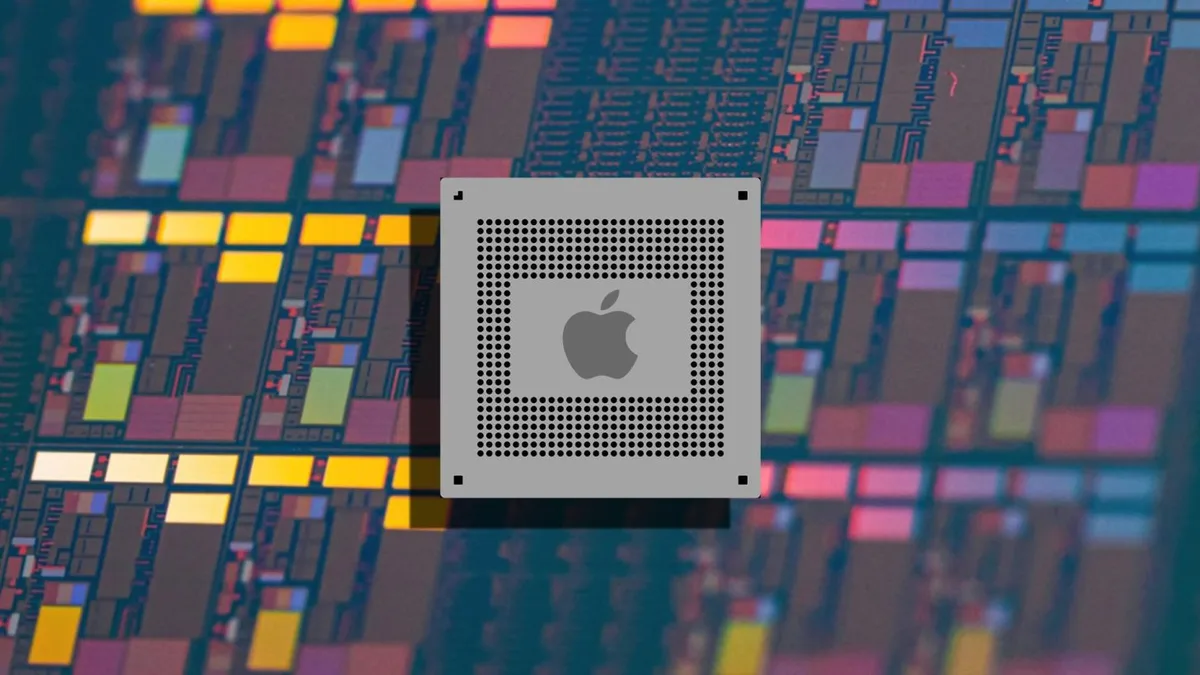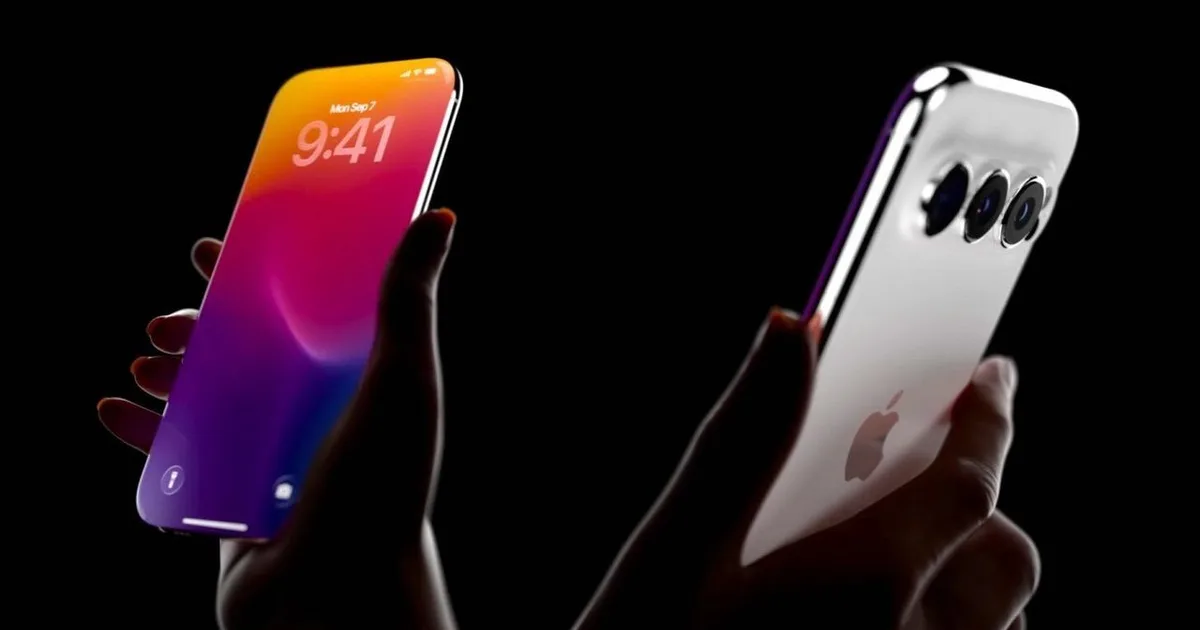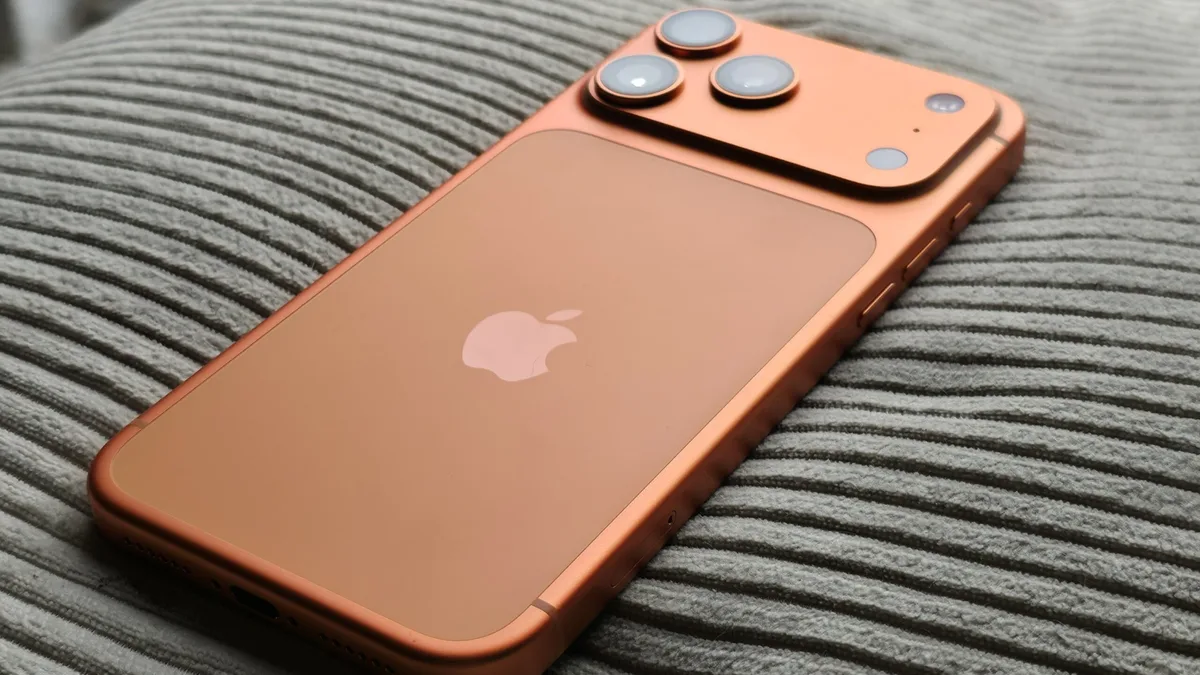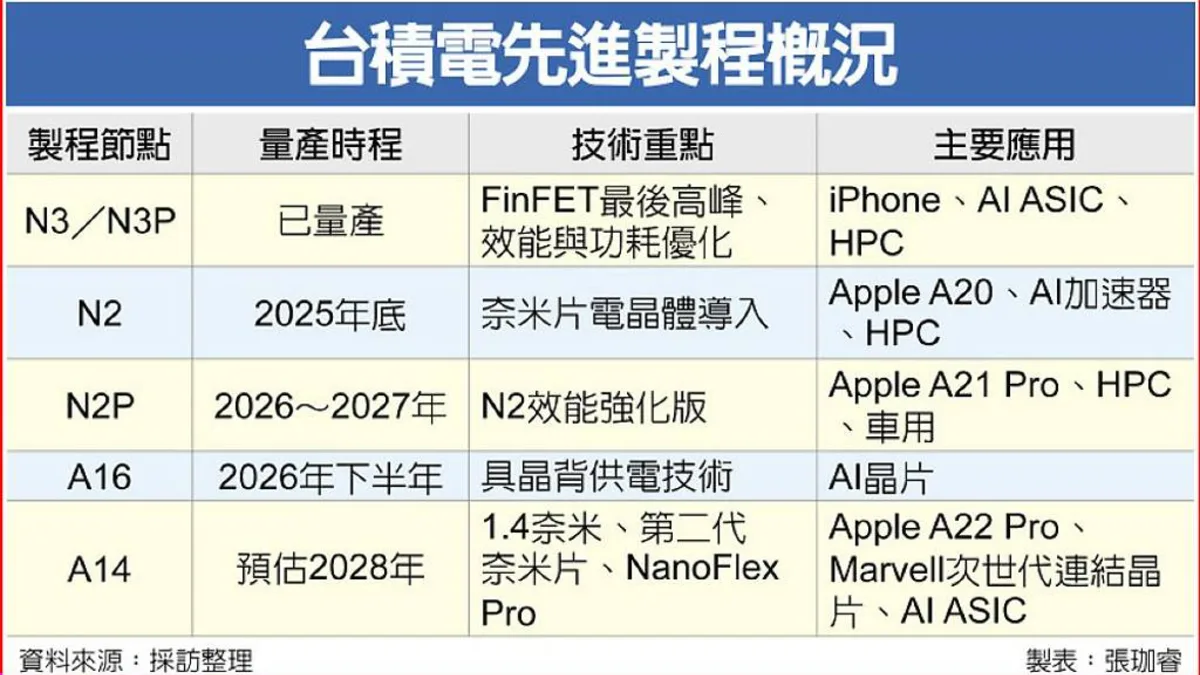
Apple anniversary iPhone rumors are already forming around design, display, and foldable ambitions, but the most important difference may sit inside the chip. A new Chinese-language report says the A21 Pro could use TSMC improved N2P process, while the standard A21 remains on the earlier N2 node. That would give Apple a very technical way to separate its high-end iPhones from the regular models.
The timing is meaningful because a twentieth-anniversary iPhone cycle would carry more expectation than a normal yearly refresh. Apple can celebrate with design changes, but it also needs the underlying hardware to feel prepared for AI features, advanced camera processing, high-end gaming, and longer ownership. A newer process node could help the Pro phones deliver those gains while staying within the thermal limits of a thin device.
The split also reflects a practical supply-chain problem. The newest wafers are expensive, and Apple ships enormous volume. It may be easier to reserve the best process for Pro models first, then let standard models use a still-advanced but slightly less costly node. That would not be unusual for Apple, but the performance and efficiency gap could become easier to notice as AI workloads grow.
ITHome covered the report from Commercial Times and said Apple may adopt TSMC N2P for the A21 Pro while keeping the standard A21 on N2. The same report also points to Qualcomm and MediaTek using N2P earlier, which means Apple will be watching Android flagship silicon closely.
This Chinese report overlaps with wider English-language chatter, but it is useful because it frames the story through Taiwan supply-chain competition. We covered the wider chip gap angle in our A21 Pro 2nm leak analysis, and the key question remains the same: how much of the future iPhone experience will be shaped by process technology that most buyers never see?
For Apple, the advantage is not only benchmark speed. A more efficient process can help the camera pipeline, background AI tasks, battery life, and sustained performance during long video recording or gaming sessions. Those are the areas where users feel the difference without knowing the node name. If Apple can turn N2P into smoother daily behavior, the Pro label becomes easier to defend.
The challenge is that standard iPhone buyers may not want to feel left behind. Apple has already used different chips across Pro and non-Pro models, but the more AI features move on device, the more important the base model chip becomes. If the standard A21 feels too conservative beside the A21 Pro, Apple may have to lean on price, battery life, or design to keep the regular model attractive.
The leak should still be treated as early supply-chain reporting, not a final product sheet. Even so, it suggests Apple anniversary phone plans may include a deeper silicon strategy than usual. The next iPhone story may not just be about a new look. It may be about Apple deciding which customers get the most advanced manufacturing first and how clearly that choice shows up in real use.