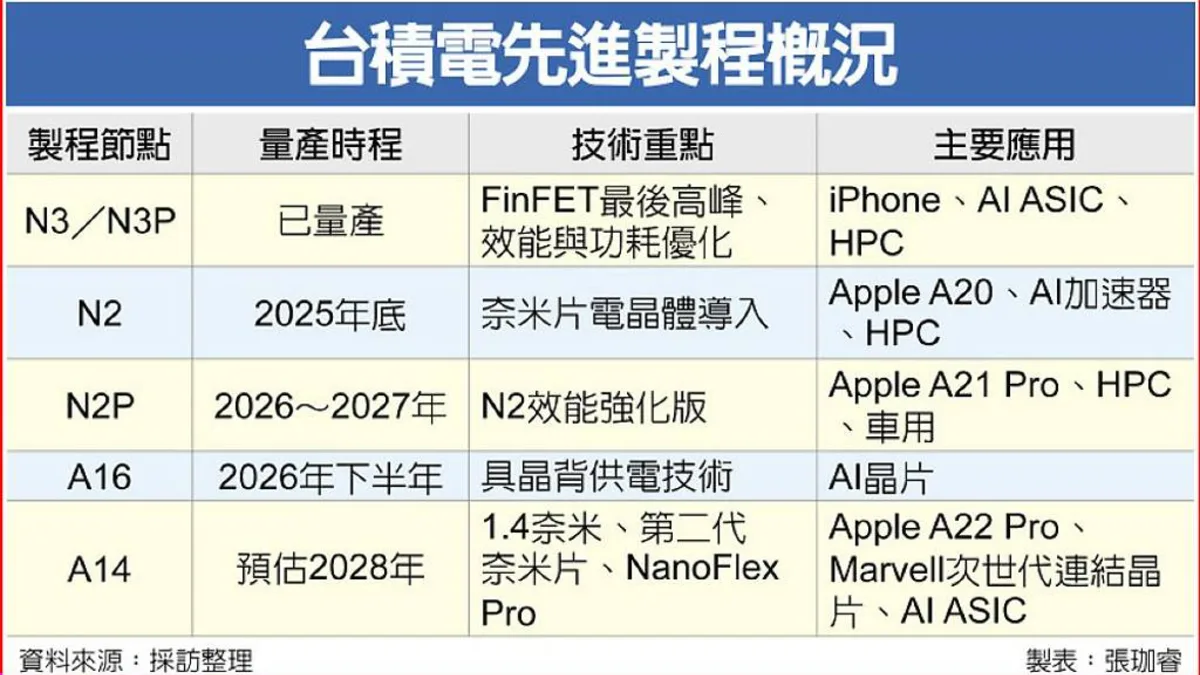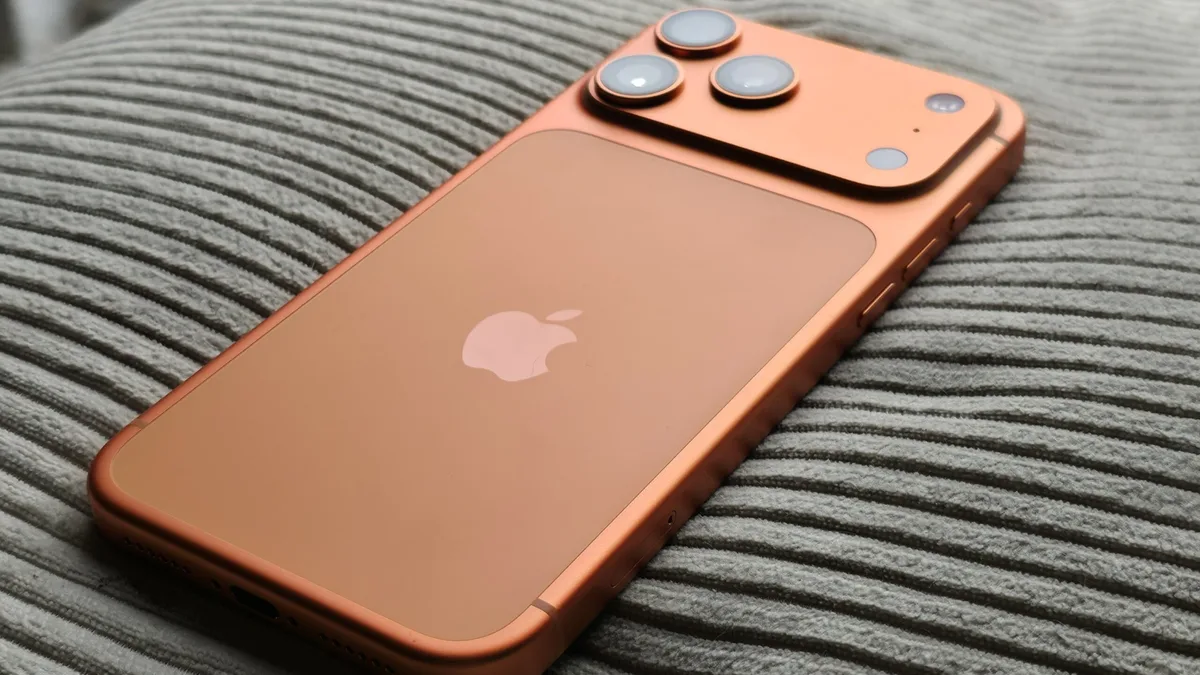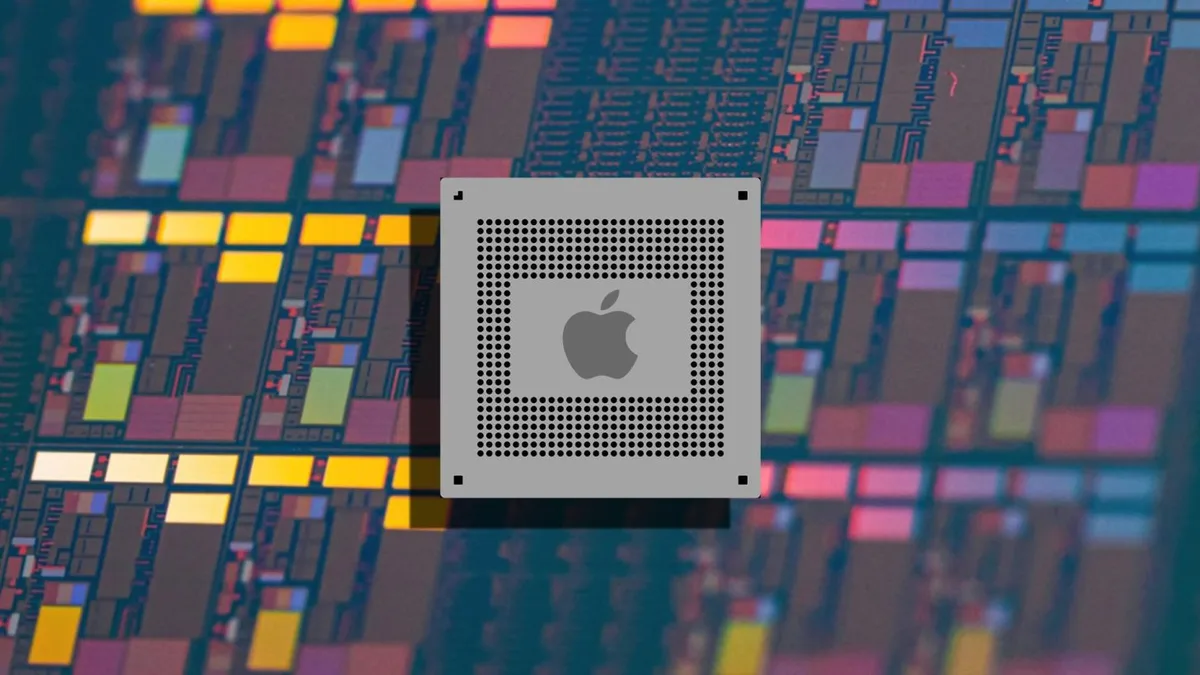
Apple has spent years making the Pro iPhone feel different through cameras, displays, materials, and software features. A new A21 Pro manufacturing leak suggests the chip itself could become an even sharper divider. If the Pro version receives TSMC improved 2nm N2P process while the standard chip stays on an earlier 2nm node, Apple would be using silicon process choice as another form of product segmentation.
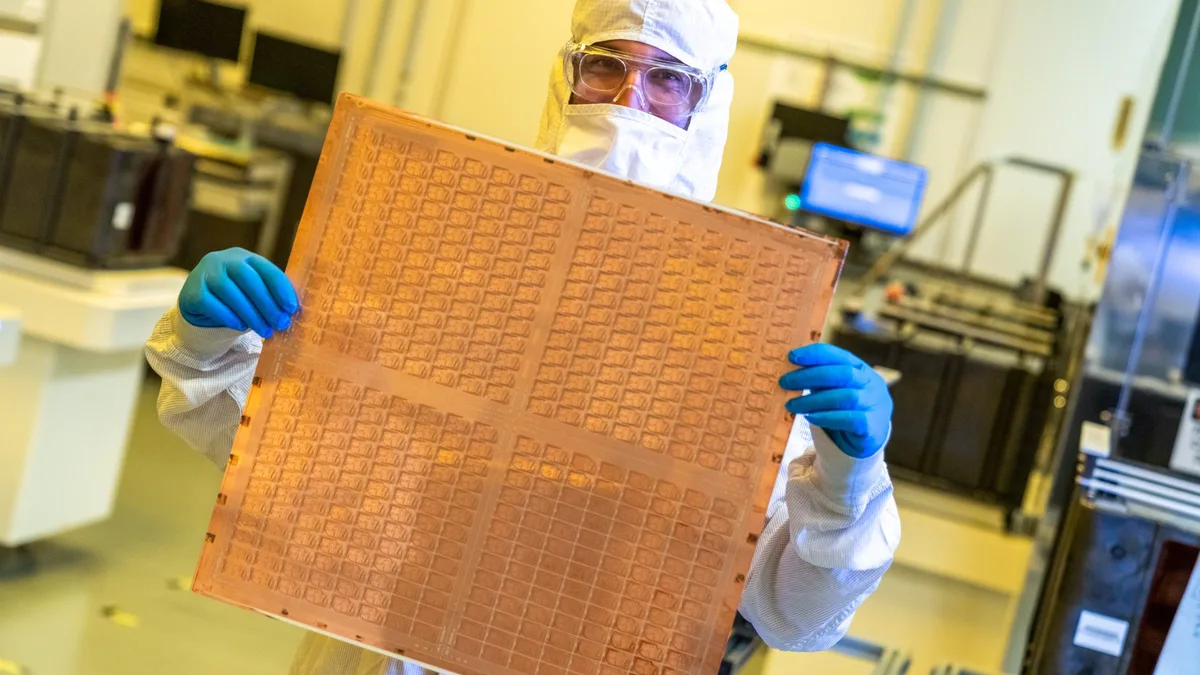
That matters because process nodes are not just marketing labels. A better manufacturing process can improve efficiency, performance headroom, and thermal behavior. In a phone, those gains can show up as longer battery life, stronger sustained gaming performance, faster AI tasks, or less heat under camera and video workloads. The visible difference may be subtle, but the cumulative effect can be real.
The reason Apple might split the chips is likely cost. Cutting-edge wafers are expensive, and the iPhone sells in massive volume. Reserving the best process for Pro models lets Apple protect margins while giving high-end buyers a clearer reason to pay more. It is a familiar strategy, but the AI era makes it feel more important because local processing is becoming a core feature.
Wccftech reported that Apple A21 Pro may exclusively use TSMC improved 2nm N2P process, while the standard A21 could remain on the older N2 node. The report also points to wafer and memory costs as part of the pressure behind that kind of split.
This would fit with the broader pattern around Apple next phones. Our base iPhone 18 specs coverage already showed how Apple can keep standard models safer while saving the biggest changes for Pro devices. A process-node gap would be a quieter version of the same strategy, but it could affect daily performance more than a color or material change.
The risk is messaging. Apple does not usually sell iPhones by talking about semiconductor process names in depth. Most buyers will not know N2 from N2P. The company will need to translate the difference into benefits people understand: faster Apple Intelligence features, better battery life, console-level games, improved camera pipelines, or longer-lasting performance. Without that translation, the chip gap becomes something only spec watchers discuss.
Android rivals are also part of the story. Qualcomm and MediaTek are expected to push aggressively on advanced nodes, and Chinese flagship makers will advertise those gains loudly. Apple can afford to move carefully, but it cannot let the Pro iPhone look less advanced in silicon than premium Android phones. Reserving N2P for A21 Pro may be Apple way of keeping the high-end iPhone competitive without lifting the entire lineup cost.
The leak is still early, but it points to a future where iPhone differences become more technical. The standard model may remain excellent, yet the Pro could pull further ahead through process technology, memory, camera hardware, and AI acceleration. That does not make the cheaper iPhone weak. It does mean Apple may be preparing a more obvious performance ladder, and the A21 Pro could become one of the clearest steps on it.