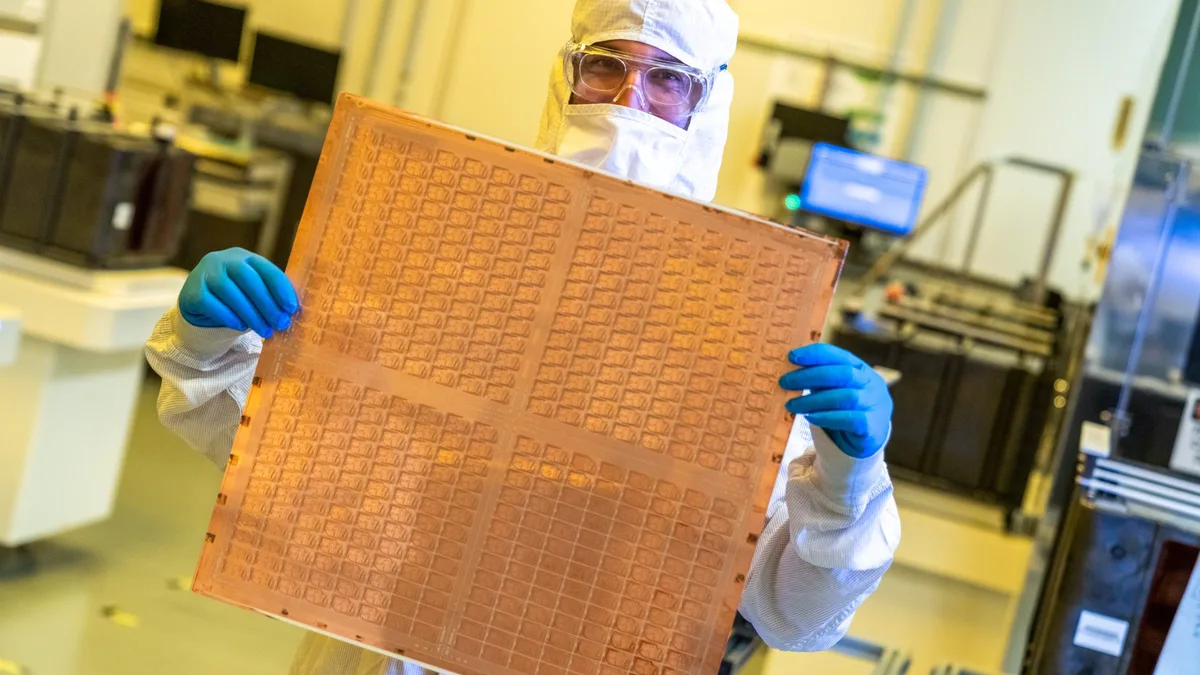
Chip packaging usually sounds like a back-end factory detail, but it is becoming one of the quiet forces behind gadget pricing. A new report says TSMC is accelerating CoPoS packaging as a potential successor or alternative to some CoWoS demand, with glass-core substrates positioned as a way to cut cost and improve wafer utilization. That may sound distant from phones, but it sits close to the cost curve that future premium devices will face.
Modern flagship chips are no longer just about shrinking transistor nodes. They also depend on how dies, memory, interconnects, and substrates are arranged after manufacturing. Packaging affects heat, signal integrity, power efficiency, yield, and total cost. When those numbers move, the impact can travel from data centers to laptops to high-end phones.
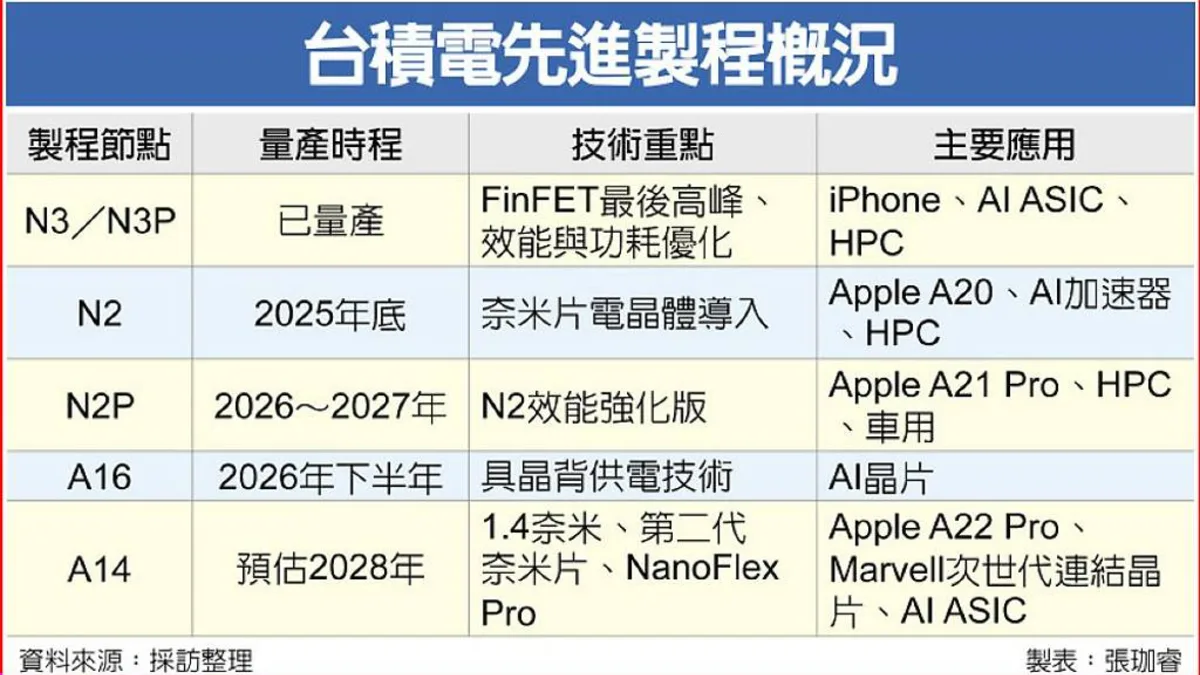
For consumers, the key issue is not the name CoPoS. It is whether advanced packaging can stop every new chip generation from becoming dramatically more expensive. We have already covered how 2nm mobile chips could widen the premium-phone gap, and packaging is part of the same pressure chain.
Wccftech reported that TSMC's CoPoS push could involve glass-core substrates that reduce cost and increase utilization. If the reported advantages hold up at scale, manufacturers would gain another lever besides simply passing higher silicon costs to device makers.
Why packaging now matters to gadgets
The smartphone industry used to sell annual progress through obvious features: sharper screens, bigger cameras, faster charging, thinner bodies. Those upgrades still matter, but the harder part is now under the surface. Phones need more AI acceleration, more memory bandwidth, more efficient modems, and better thermal behavior inside bodies that are already packed tight.
Packaging improvements can help because they change how components communicate and how heat moves. A phone chip cannot simply consume more power forever. It has to deliver performance in short bursts without cooking the battery or throttling after a few minutes. Better packaging does not solve every thermal problem, but it gives chip designers more room to balance speed and efficiency.
There is also a pricing angle. If advanced packaging remains scarce and expensive, the most capable chips will stay reserved for expensive devices. That could make mainstream phones feel further behind, especially as AI features become hardware-sensitive. Our look at memory-cost pressure on iPhone upgrades shows how a single component trend can reshape product planning.
The CoPoS report should not be treated as a promise that phones will suddenly get cheaper. Packaging transitions take time, and data-center chips may absorb the earliest capacity. Still, it is a meaningful signal. The next generation of gadgets will be shaped as much by manufacturing efficiency as by flashy industrial design. If TSMC can reduce bottlenecks in advanced packaging, premium-chip economics may become a little less punishing.
That is why packaging stories deserve attention even when they look industrial rather than consumer-facing. A phone launch price is often decided long before the keynote, across dozens of engineering and procurement choices. If packaging becomes cheaper or more efficient, device makers gain flexibility. They can protect margin, improve thermals, add memory, or keep a model from crossing a psychological price line.