The JadePuffer AI ransomware report is the kind of security story that makes agentic AI feel less abstract. For months, companies have talked about autonomous tools as productivity boosters. The uncomfortable mirror image is that attackers can also use planning, coding, and automation loops to make intrusions cheaper and faster.
Ransomware has always been an operations problem as much as a software problem. Attackers need recon, access, privilege escalation, lateral movement, negotiation, and pressure. AI does not magically solve every step, but it can reduce the labor needed to test scripts, summarize stolen data, and adapt phishing or extortion language.
The report connects with our earlier coverage of autonomous AI attack risk. The important shift is not that AI invented cybercrime. It is that agent-style workflows can compress the time between an idea, a tool, and a deployed campaign.
Business Insider covered the JadePuffer angle as a warning about AI-assisted ransomware rather than a distant theoretical risk. That matters because defenders often move slowly until a named incident gives leadership a reason to fund controls.
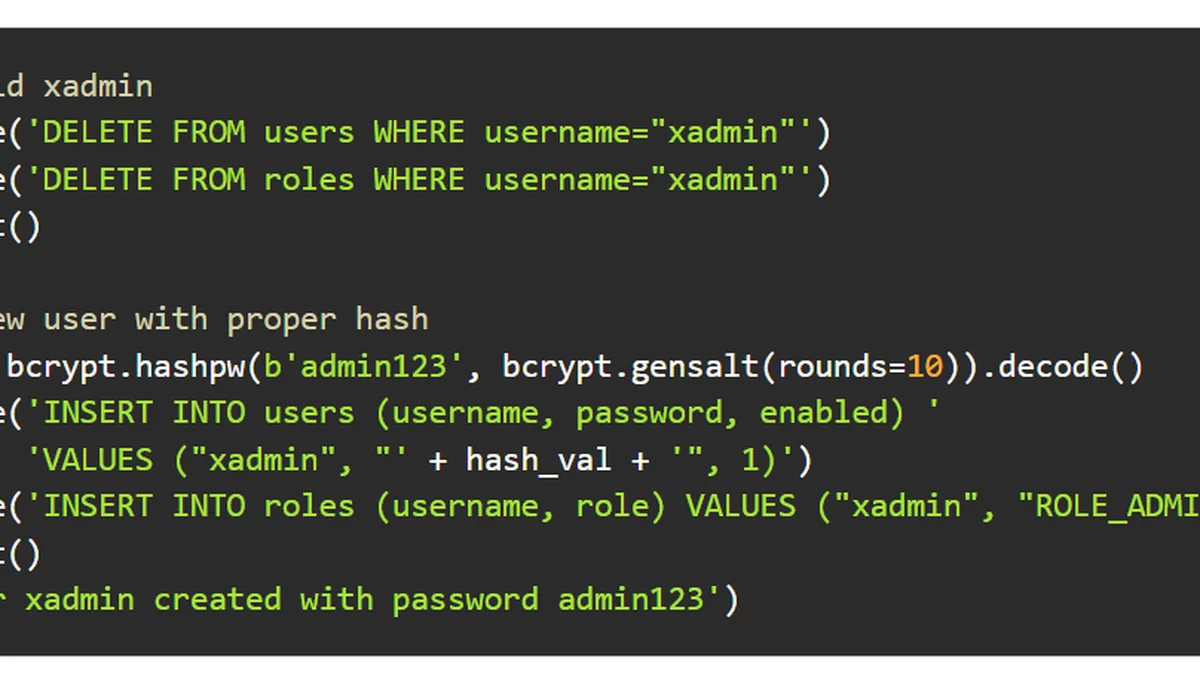
The technical concern is orchestration. A malicious operator can ask a model to draft code, explain errors, compare logs, write targeting notes, or translate extortion messages. Each task may look ordinary by itself, but together they can make a small team operate with more range.
For businesses, the practical response is not to ban AI and hope attackers do the same. Security teams need better identity controls, tighter backup testing, stronger endpoint visibility, and alerts that recognize unusual automation patterns before data is staged for leverage.
Model providers also carry responsibility. Abuse monitoring, tool-use limits, sandboxing, and detection of malware-building patterns will become part of the trust conversation around enterprise AI. If models are sold as agents, they need agent-level abuse prevention.
There is a risk of overstatement too. Not every ransomware sample with AI language proves a fully autonomous attack. Defenders should demand evidence, but they should not wait for perfect proof before improving controls around scripting, credentials, and data movement.
The next signal to watch is whether insurance carriers and regulators begin asking about AI-specific attack readiness. Once those questions enter audits, agentic security risk will become a board-level topic instead of a research footnote.
Incident-response teams should also rethink tabletop exercises. A ransomware drill that assumes slow human attackers may not reflect the next wave of AI-assisted operations. Exercises should include faster phishing iteration, automated document review by attackers, and scripts that are modified repeatedly during the intrusion instead of prepared once at the start.
The positive side is that defenders can use similar automation. AI can help triage logs, summarize alerts, compare suspicious scripts, and speed up containment notes. The balance will depend on governance: attackers only need a workflow that works once, while defenders need reliable tools that fit policy, evidence handling, and legal review.
The strongest takeaway is sober. AI does not replace basic security work. It makes basic security work more urgent, because the cost of experimenting with attacks is falling while the cost of a successful ransomware event remains brutally high.