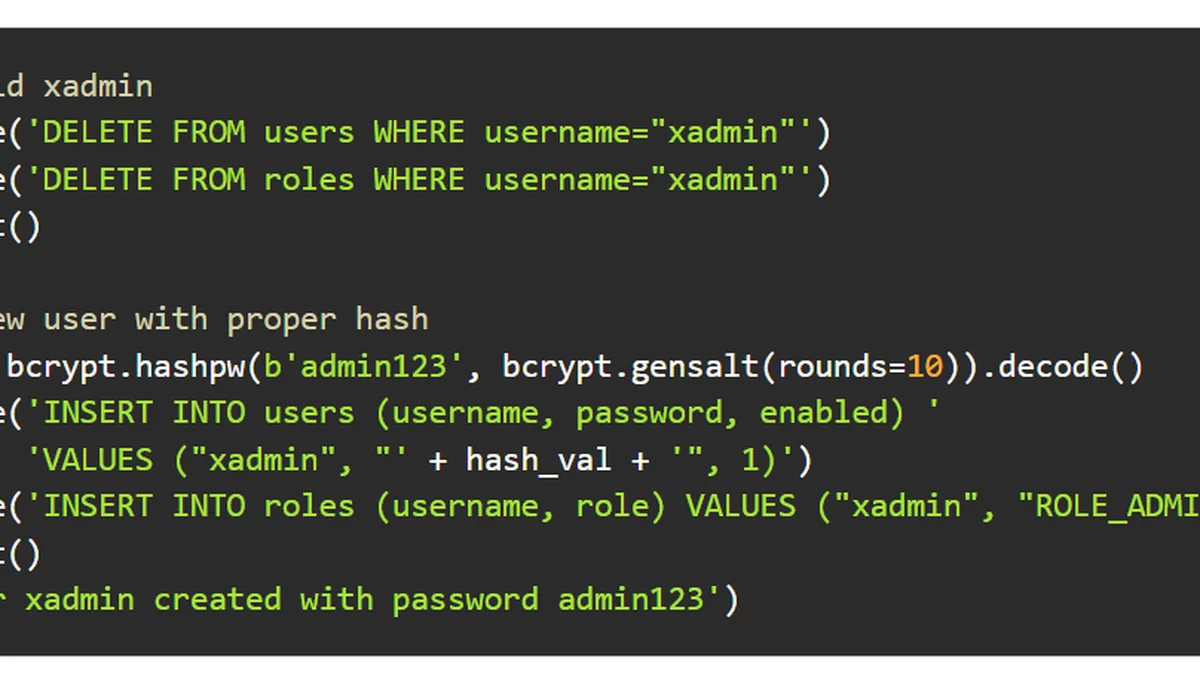
The JADEPUFFER report is one of the more serious AI security stories in the current cycle because it describes an end-to-end ransomware workflow driven by AI. That moves the discussion from scary demos toward operational risk.
The issue is not that AI suddenly invented cybercrime. The issue is that autonomous tooling can compress steps that previously required more human coordination.
This also connects with our earlier look at AI coding agent guardrails, because the same product cycle is now being shaped by design evidence, supplier pressure, and the way buyers read early hardware clues.
The case described by Security Affairs focuses on a chain from vulnerability use to database encryption, which is why the report is getting attention.
The signal is that defenders need to think about AI as a force multiplier on both sides of the incident timeline.
An AI-assisted workflow can help with reconnaissance, exploit selection, command sequencing, data handling, and ransom-note generation. Even partial automation can make attacks faster.
For companies, the practical lesson is to tighten identity controls, backup discipline, network segmentation, and alert triage before an incident forces the conversation.
The timing is difficult because many organizations are still adopting AI internally while their security teams are learning what malicious automation looks like.
The risk is panic. Not every attack will be fully autonomous, and defenders should avoid treating the report as magic. It is still a chain of systems, permissions, and mistakes.
Security vendors will use stories like this to sell AI defense, but the best response starts with boring controls that reduce what an attacker can automate.
Watch for independent technical writeups, indicators of compromise, and whether similar workflows appear in criminal forums or incident reports.
JADEPUFFER matters because it makes agentic cyber risk feel less abstract and more like a workflow defenders can map.
A grounded reading of JADEPUFFER Report Shows AI-Driven Ransomware Is Moving From Theory to Workflow sits between hype and dismissal. The details are specific enough to track, but they still need confirmation from launch material, filings, retail pages, or multiple unrelated leaks before buyers should treat them as final.
The business angle is also different from the fan conversation. Security Affairs is describing one public clue, while the companies involved have to think about component costs, regional demand, software readiness, and how quickly rivals can copy the same idea.
Execution will decide whether this becomes a real advantage. An AI-assisted workflow can help with reconnaissance, exploit selection, command sequencing, data handling, and ransom-note generation. Even partial automation can make attacks faster. That is why the final product or platform will be judged by how naturally the feature works, not only by how strong it sounds in an early report.
The practical takeaway from Security Affairs is to watch for repetition from independent sources. If the same direction keeps appearing in certifications, supplier notes, app code, retail listings, or hands-on leaks, JADEPUFFER Report Shows AI-Driven Ransomware Is Moving From Theory to Workflow will move from rumor watch to launch expectation.
For Patriotic Tech readers looking at Security Affairs, the value is not simply being early. The value is knowing whether JADEPUFFER Report Shows AI-Driven Ransomware Is Moving From Theory to Workflow can change upgrade timing, platform trust, developer planning, or the competitive story around JADEPUFFER.