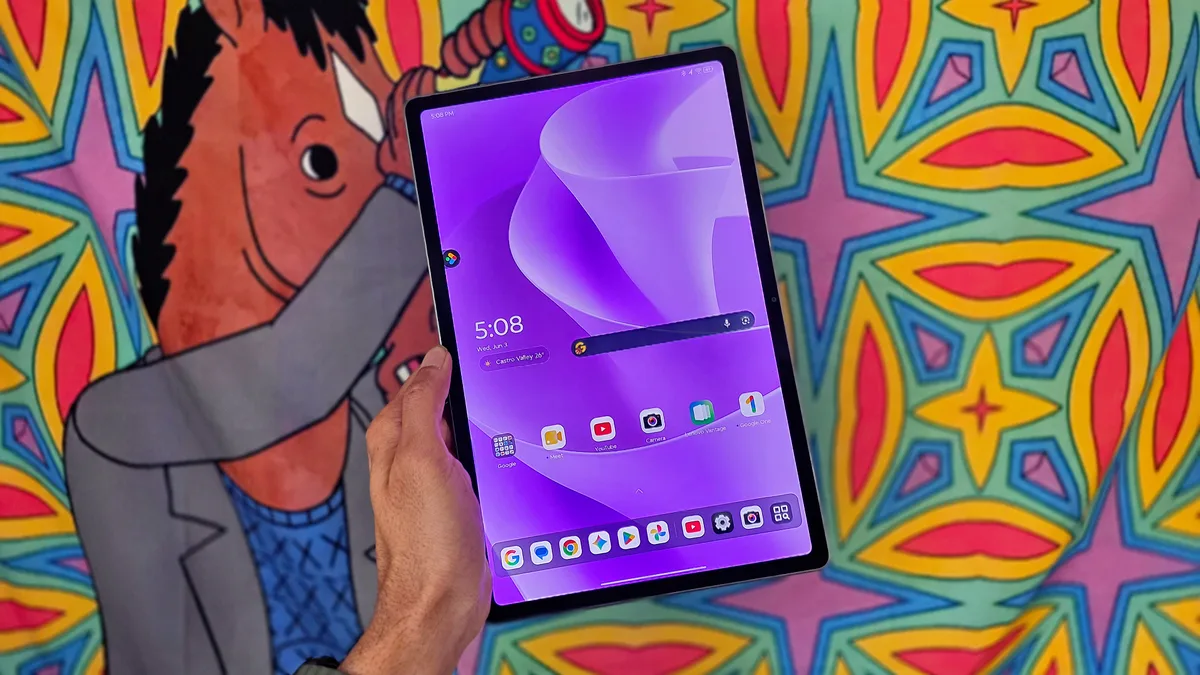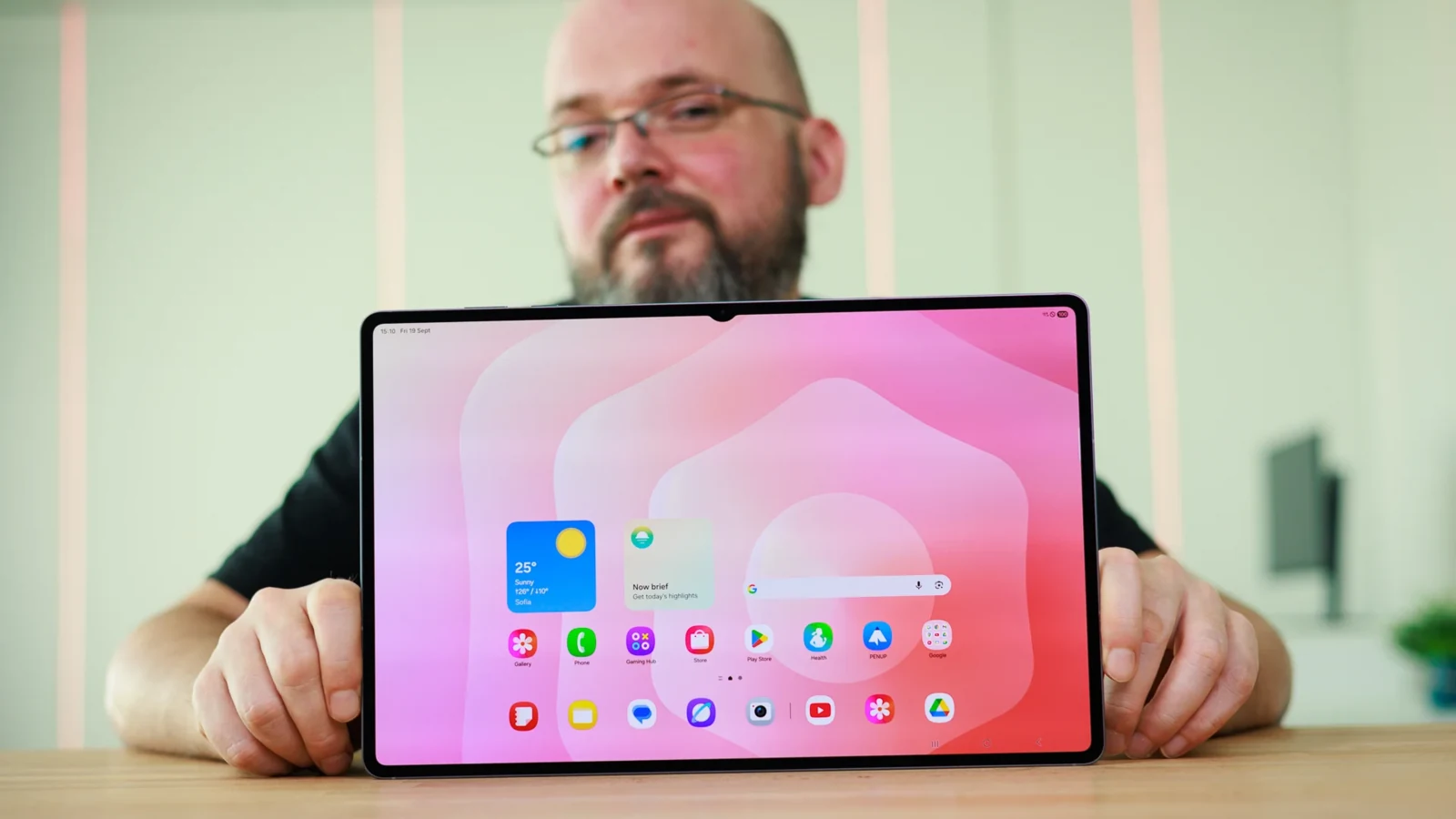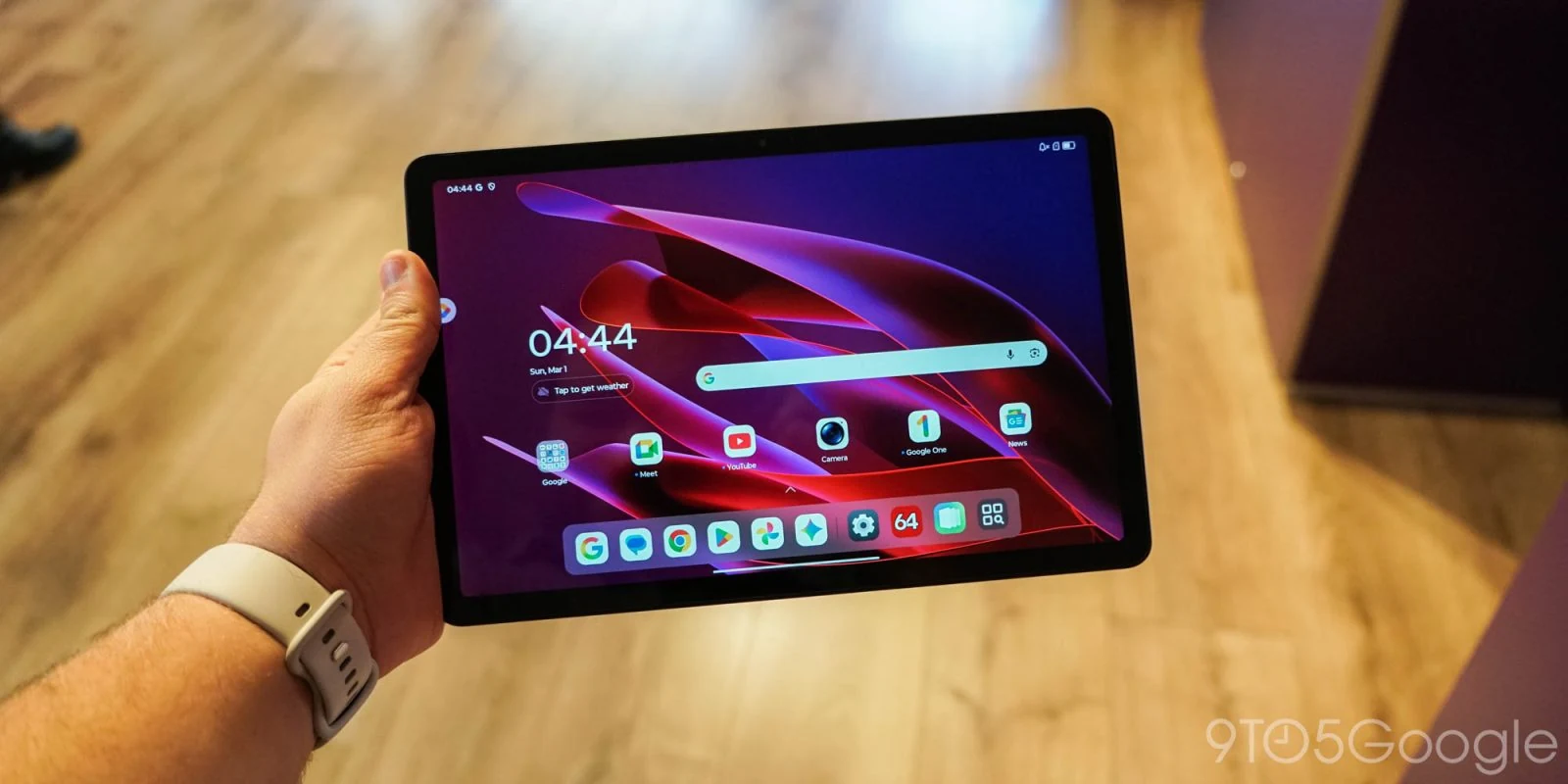
The Lenovo ThinkTab X11 is not chasing the same audience as glossy media tablets. Its more interesting pitch is practical: a rugged Android tablet with a removable battery. That sounds old-fashioned until you think about how tablets are used in warehouses, field service, retail, healthcare, construction, transport, and other jobs where downtime costs more than thinness.
Consumer tablets usually treat the battery as invisible sealed hardware. That is fine for couch browsing, but it is less ideal for work devices that may need to run long shifts, be handed between employees, or survive years of heavy use. A removable battery changes the repair and uptime equation. It also makes the device feel less disposable.
The ThinkTab X11 arriving in the United States matters because Android tablets are often discussed through entertainment and productivity lenses. Lenovo is aiming at a different problem: getting a durable Android screen into places where a normal tablet would be too fragile or too annoying to maintain.
9to5Google reported that the Lenovo ThinkTab X11, announced earlier at MWC 2026, is now available in the US for $499. The standout detail is the removable battery, which is rare enough in modern Android hardware to deserve attention.
Why removable still matters
Removable batteries solve boring problems, which is why they are valuable. A logistics team can keep spare packs ready. A repair team can extend device life without sending units away. A business can keep the same tablet fleet alive longer. These are not flashy features, but they change the total cost of ownership.
The launch also fits the practical device trend we covered in our June gadget standouts roundup. Buyers are rewarding hardware with a clear job. The ThinkTab X11 has a clear job: survive work environments while remaining serviceable enough to justify fleet deployment.
Rugged tablets also need software discipline. Businesses care about security patches, device management, accessory ecosystems, barcode support, kiosk modes, and long-term supply consistency. Lenovo's Think brand helps because it already has enterprise credibility, but Android tablet management still has to be handled carefully.
The $499 price gives the product room to avoid being treated as a throwaway device. It is not an impulse tablet, and it is not trying to be. The value comes from durability, battery access, and deployment confidence. For the right customer, those features can matter more than screen bragging rights.
The broader signal is that repairable ideas are slowly becoming useful again, at least in niches where they never stopped making sense. The ThinkTab X11 will not make every consumer tablet removable, but it reminds the market that sealed hardware is not always the best design choice.
There is also a sustainability argument hidden inside the enterprise pitch. A tablet that can stay in service longer produces less replacement pressure, and a removable battery makes one of the most common aging problems easier to handle. Businesses may buy the ThinkTab X11 for uptime and fleet control, but longer device life is a practical environmental benefit when the alternative is replacing sealed hardware too early.