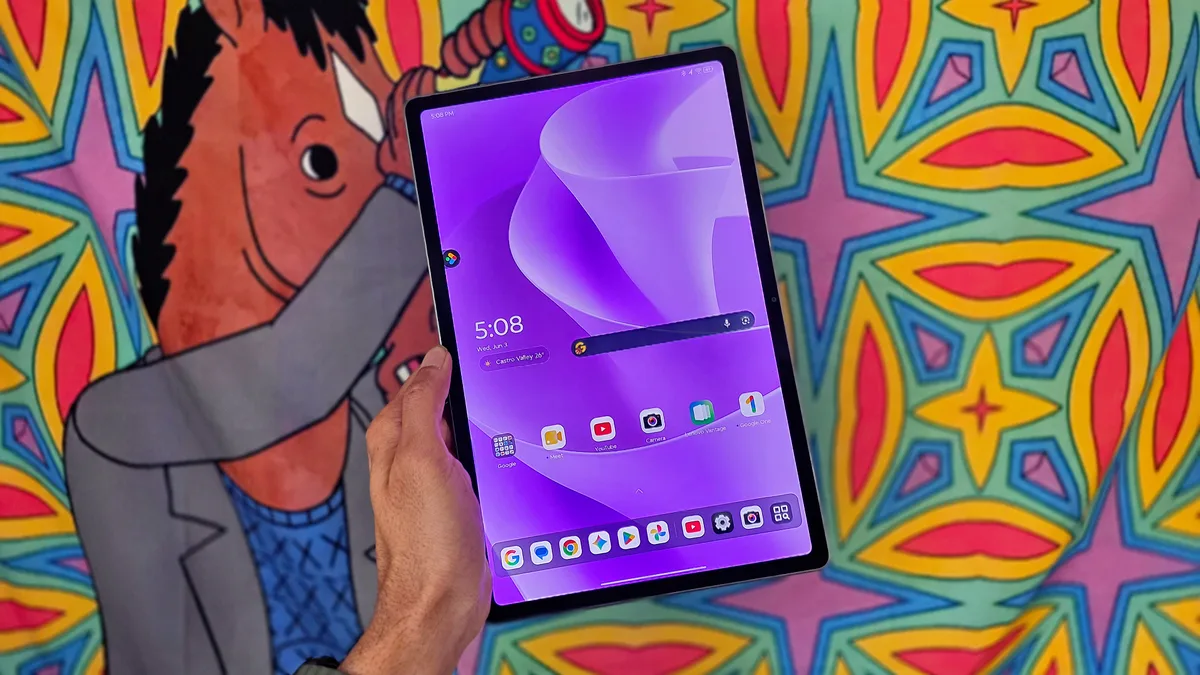
Budget Android tablets used to be easy to dismiss. They were fine for video, light browsing, and the occasional recipe in the kitchen, but they rarely felt like devices someone would choose with enthusiasm. The Lenovo Idea Tab Plus is interesting because it appears to challenge that old expectation by giving the lower end of the tablet market a more serious everyday pitch.
The appeal is not complicated. A good budget tablet needs a comfortable display, reliable speakers, acceptable battery life, and enough performance to avoid turning simple tasks into waiting. It does not need to replace a laptop. It needs to be the device people reach for when a phone feels too small and a notebook feels like too much effort.
Lenovo has quietly become one of the more important names in Android tablets because it competes where many buyers actually shop. Samsung still dominates mindshare, but Lenovo often pushes screen size, speaker hardware, and bundle value in ways that make sense for families, students, and casual media users.
Android Authority reviewed the Idea Tab Plus and framed it as a budget Android tablet that Samsung should notice. That matches a wider shift we have covered in tablet rumors, including the Galaxy Tab S12 Ultra battery rumor, where even high-end tablets are being judged on practical endurance rather than only size.
The budget tablet test is different now
The old test was whether a cheap tablet could stream Netflix without feeling broken. The new test is broader. Can it handle split-screen browsing and notes? Can it survive a school week? Does it have speakers good enough for a small room? Does the software stay responsive after a few months of updates and cached apps?
That change matters because tablets are returning to shared spaces. They sit on kitchen counters, in backpacks, beside treadmills, and on nightstands. A budget model can win if it feels durable and low-maintenance. It loses quickly if the display is dim, the storage fills up, or the charging speed makes it feel old.
Lenovo also benefits from a simple truth: many people do not want to buy an expensive tablet for casual use. They want a screen that is better than a phone for reading, video calls, travel entertainment, and light work. If the Idea Tab Plus delivers those basics cleanly, it does not have to pretend to be a flagship.
Samsung should still be strong because of its software ecosystem and accessory support, but the gap is not what it used to be. Android tablet apps have improved, and buyers are more comfortable mixing brands across phones, earbuds, laptops, and tablets. That gives Lenovo more room than it had a decade ago.
The Idea Tab Plus review is useful because it shows budget tablets are no longer just compromise machines. They are becoming deliberate household devices. For buyers, that means the best tablet may not be the most powerful one. It may be the one that is easy to live with, easy to share, and cheap enough that it does not need to justify itself every day.