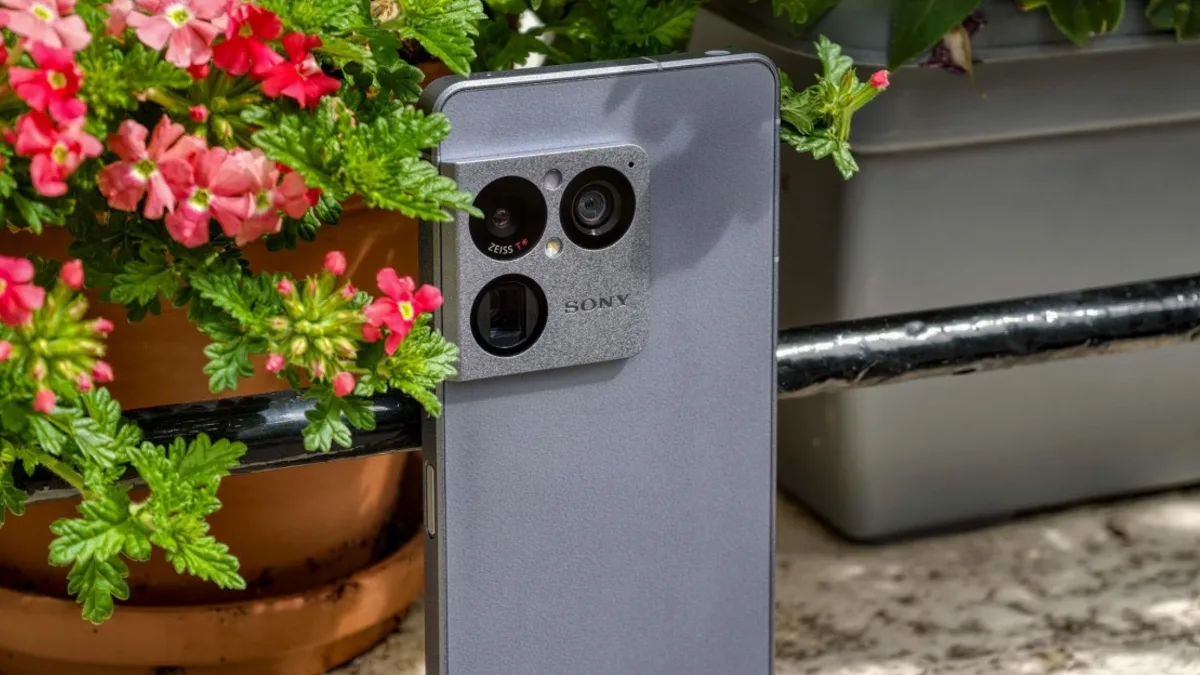
Sony phones occupy a strange and valuable corner of the market. They are not designed to chase the broadest possible audience, and that is part of the appeal. The Xperia 1 VIII review cycle shows Sony still wants to build a phone for people who care about cameras, media, manual controls, and a less generic flagship experience.
That strategy is risky because enthusiast phones are judged by the users who notice everything. A normal buyer may never care about color science, shutter behavior, lens switching, or whether a camera interface feels closer to a dedicated Sony camera. An Xperia buyer probably does. That means Sony has less room for gimmicks and more pressure to make its specialty features feel finished.
The modern camera phone market is also different from the one Sony helped create. Computational photography has become the default. Google, Apple, Samsung, Xiaomi, Vivo, and Oppo all lean heavily on processing, scene recognition, and AI-backed editing. Sony can still argue for a more camera-like experience, but it has to prove that manual control creates better results for enough people.
The Verge reviewed the Xperia 1 VIII and focused on the phone as a fan-first device. That angle pairs well with our coverage of future iPhone chip pressure, because both stories show the same problem from different sides: flagship phones need a reason to feel distinct.
Specialist phones have to be better at the basics
A niche identity does not excuse weak fundamentals. Battery life, display comfort, call quality, thermals, and software support still matter. If any of those pieces fall behind, the enthusiast pitch starts to sound like an excuse instead of a philosophy. Sony has to make the Xperia feel special without making it feel inconvenient.
The camera assistant and AI features are where Sony faces its toughest balancing act. The company can add automation, but it should not bury the direct controls that make Xperia different. A phone for camera fans should help users move faster, not take over in ways that flatten the image into the same look every other phone produces.
The display and audio story still gives Sony an advantage with a certain group of users. People who watch movies, record clips, edit photos, or use wired and high-quality wireless audio tend to value details that mainstream marketing often ignores. The challenge is turning those details into a coherent product, not a checklist.
Price remains the hardest question. If the Xperia 1 VIII costs like a top flagship, it has to compete with devices that offer longer update promises, broader accessory ecosystems, and more predictable point-and-shoot cameras. Sony can win only if its advantages feel meaningful every day.
The device also has to persuade people who already own a capable phone and a dedicated camera. That overlap is where Sony can be strongest, but only if the phone reduces friction instead of asking users to carry another compromise. Fast capture, dependable autofocus, clean manual tools, and honest color are the things that would make the Xperia feel like a creative companion rather than a technical statement.
The Xperia line matters because the phone market needs weirdness with discipline. Not every device should be optimized for the same camera samples and the same AI demos. But a specialist phone has to be excellent where it specializes and solid everywhere else. That is the standard Sony has set for itself.