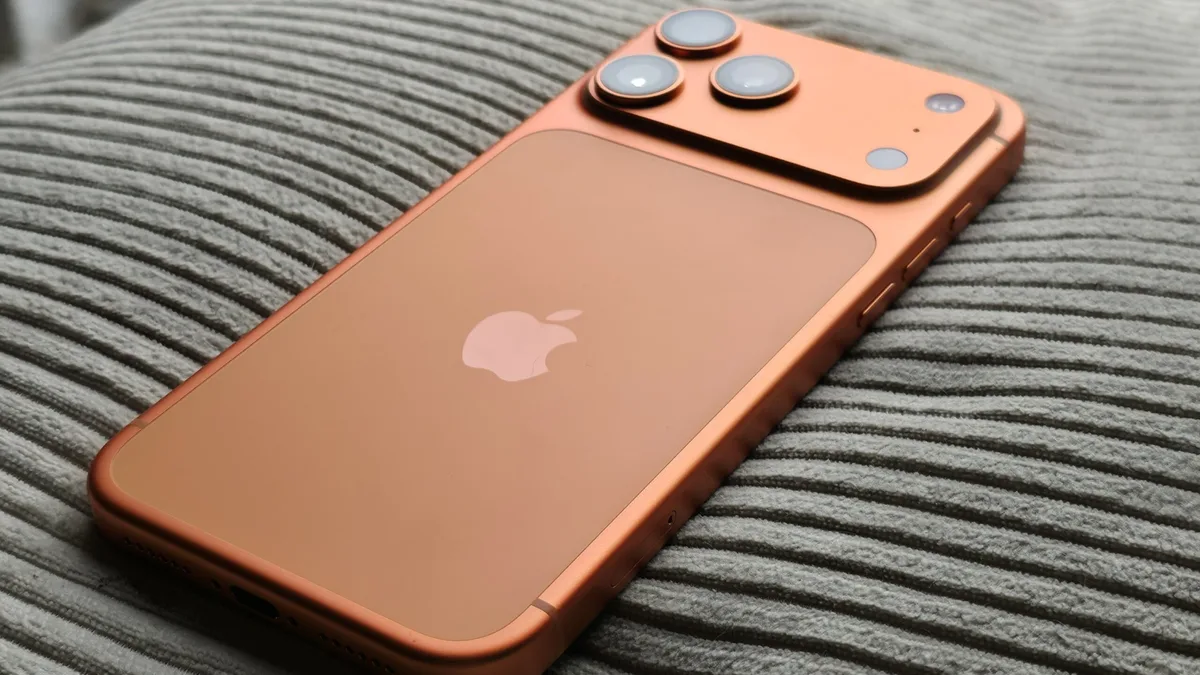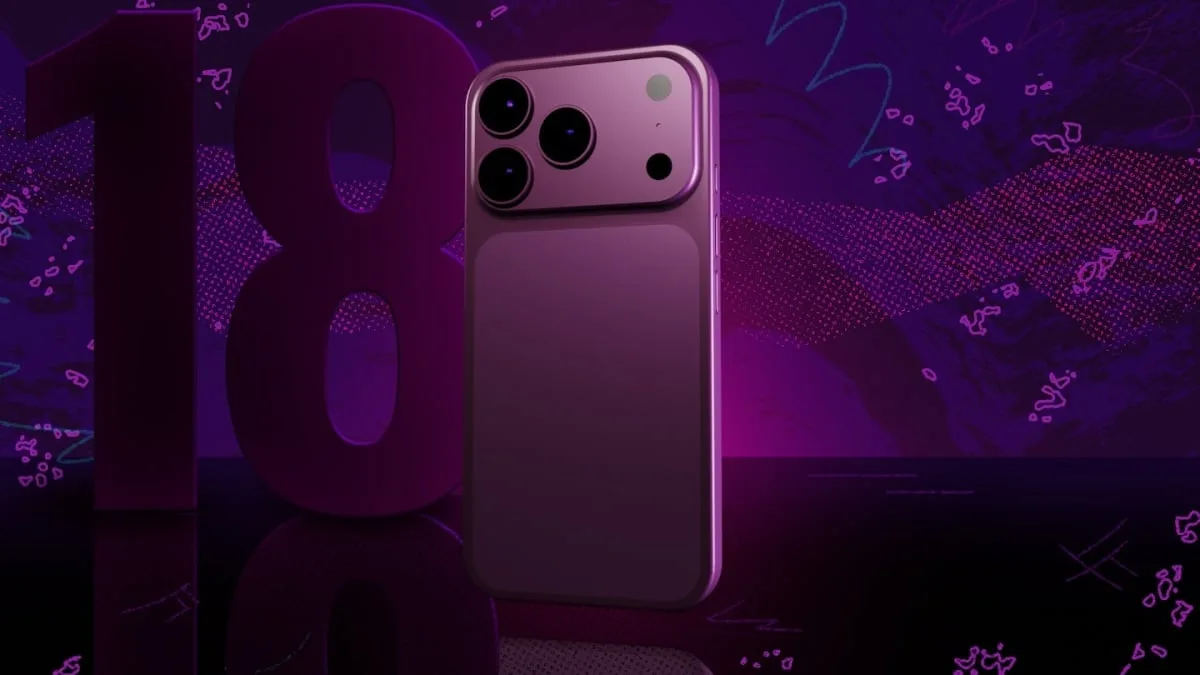
iPhone price rumors usually create noise, but this round feels more practical than dramatic. If Apple is preparing buyers for higher hardware costs, the question is not only how much the next iPhone might cost. The better question is when people should upgrade, what model makes sense, and whether Apple can make the added cost feel justified.
The pressure is easy to understand. AI demand has pushed memory and advanced component pricing into a more sensitive place. Phones need more storage, more memory bandwidth, better thermal behavior, stronger neural processing, and longer software support. None of that arrives for free, even for a company with Apple's purchasing power.
Apple has historically been careful with visible price moves. It often changes storage tiers, trade-in offers, carrier incentives, or regional pricing before making a clean headline increase. That is why a warning about prices matters. It suggests the company may be preparing the market for a shift that cannot be hidden inside normal product segmentation.
TechnoSports framed the issue around what iPhone buyers have feared: higher prices are coming. We recently looked at similar pressure from the component side in Apple's A21 Pro 2nm leak, where the real story was how premium silicon can widen the gap between standard and Pro models.
Upgrade math is getting more personal
For a buyer holding an iPhone from the last two or three years, a price increase may make waiting more attractive. The phone already has solid cameras, long update support, and enough performance for normal use. If the next model costs more mainly because the supply chain is expensive, many users will ask whether the new features change their daily routine.
For people using older devices, the calculation is different. Battery wear, weak low-light cameras, limited storage, and missing AI features can make an upgrade feel necessary. The risk is that waiting too long could push them into a higher price cycle. That is why Apple promotions, trade-in windows, and carrier bundles will matter more than usual.
Apple also has to be careful with product separation. If the standard iPhone becomes more expensive while the Pro models get the most visible upgrades, the base device can feel squeezed. Buyers are willing to pay more when the value is clear, but they are less forgiving when a price increase arrives with familiar hardware.
The AI angle complicates things further. Apple wants more capable on-device intelligence, but consumers do not always understand why that requires expensive memory or newer chips. The company will need to explain benefits in everyday language: faster editing, better privacy, smarter shortcuts, improved accessibility, and less reliance on cloud processing.
The practical advice is not to panic-buy, but to watch timing. If your current iPhone is healthy, wait for the final lineup and compare trade-in offers. If your battery is failing or storage is tight, a discounted current model may be smarter than paying a launch premium later. Higher prices do not automatically make a new iPhone bad value, but they do make careless upgrades harder to defend.