Apple's default apps matter because they quietly define what an iPhone, iPad, Mac, and Watch are supposed to do out of the box. Third-party apps may be more powerful in many categories, but Apple's built-in tools set the baseline experience for hundreds of millions of users. That is why a week with five newly unveiled Apple apps deserves attention beyond the usual feature checklist.
When Apple adds a default app, it is not only filling an icon slot. It is deciding that a behavior is mainstream enough to belong in the core operating system. That can shift user habits, developer priorities, and even hardware expectations. A new app can turn a once-niche workflow into something every device owner is invited to try.
The broader point is that Apple is using software to make its ecosystem feel more complete. Hardware changes still grab headlines, but the default app layer is where many people actually feel value every day. A better built-in toolkit can make older devices feel fresher and newer devices feel easier to justify.
MacRumors rounded up the five apps Apple unveiled, and the list shows how broad the company's software ambitions have become. This is not only about communication or media anymore. Apple is pushing into more personal, practical, and cross-device habits.
Why default apps carry strategic weight
Apple's advantage is distribution. A new app does not need to fight for discovery in the App Store if it ships with the system or appears during a major update cycle. That gives Apple a powerful way to steer attention. It also creates pressure on third-party developers, especially if Apple enters a category where independent apps have spent years building loyal audiences.
The upside for users is consistency. Apple can connect apps to iCloud, Shortcuts, Siri, widgets, Focus modes, and device-specific features without asking users to configure everything manually. That integration is one reason people stay inside the ecosystem even when individual apps are not the most advanced in their category.
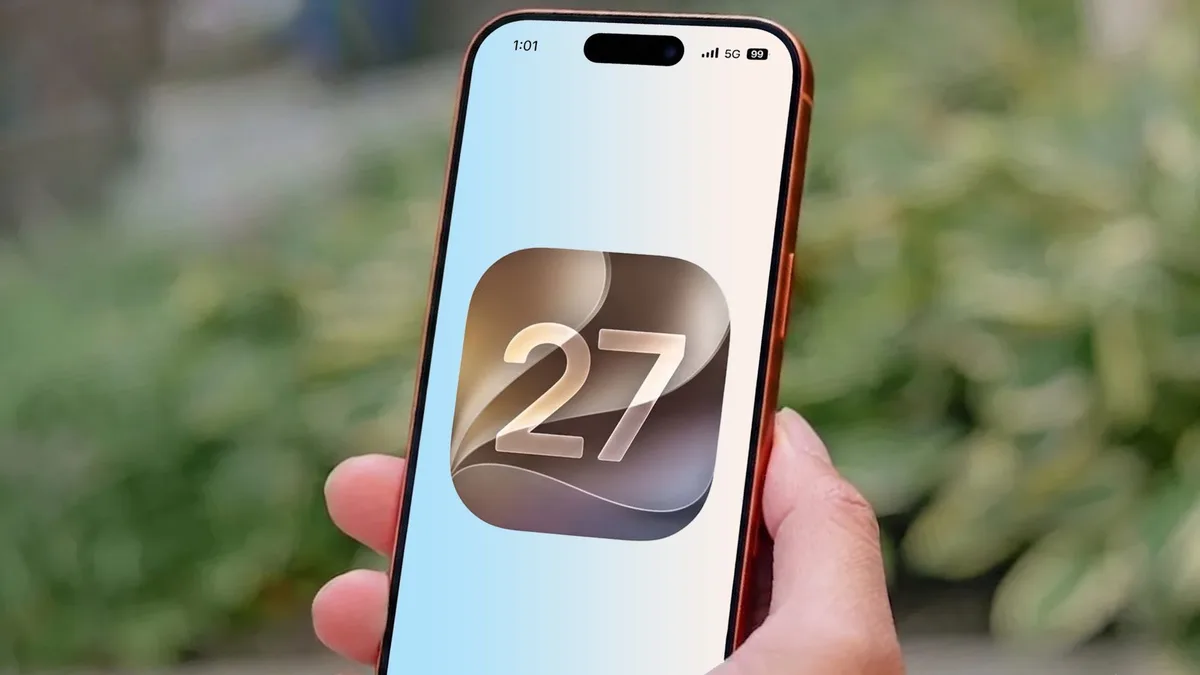
The risk is that more default tools can make the system feel heavier if Apple does not keep them clear and optional. Good defaults should reduce friction, not create another folder of apps people never open. That balance will matter as iOS 27 and related updates arrive alongside hardware rumors like the A21 Pro 2nm iPhone chip leak.
Apple's app push also connects to services. Even when an app is free, it can deepen use of iCloud storage, subscriptions, device continuity, or family sharing. That does not make the apps bad, but it explains why Apple is motivated to own more of the default experience. The company is not just adding icons; it is expanding the reasons people keep using Apple hardware together.
The next thing to watch is how Apple introduces these tools to ordinary users. A new app can disappear if it is hidden, poorly explained, or too similar to something people already use. But when Apple ties a new default app to a clear moment, such as setup, sharing, travel, family use, or device handoff, it can become part of daily behavior quickly.