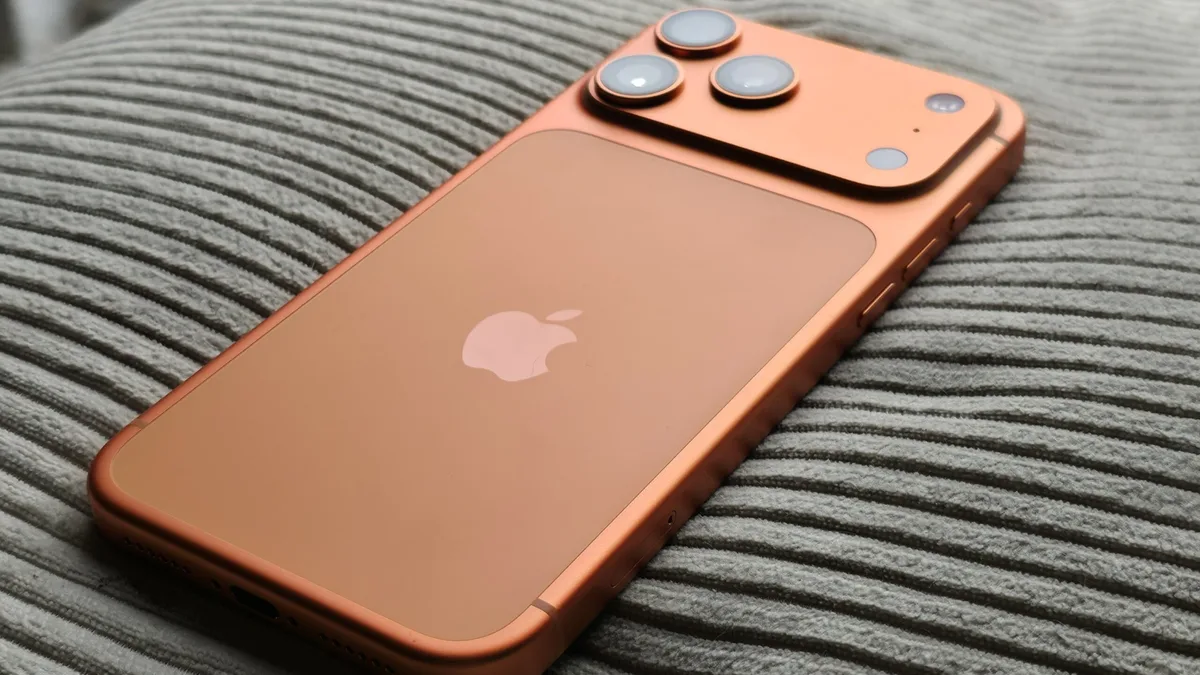
Apple camera leaks often get pulled toward the most exotic lens, but the latest iPhone 18 Pro chatter is more interesting because it focuses on the camera people use constantly. The main wide camera is the default for family photos, receipts, pets, meals, travel, quick videos, and nearly every social app capture. If Apple is preparing a meaningful upgrade there, the daily impact could be bigger than another headline telephoto number.
The Pro iPhone line has reached a point where buyers expect excellent images by default. That makes each upgrade harder to explain. A larger or more advanced main sensor can improve detail, dynamic range, motion handling, and low-light consistency, but Apple also has to preserve the familiar color science and fast shutter behavior that users trust. A technical upgrade that changes the feel too much can be as risky as doing nothing.
The leak also fits Apple's broader hardware tension. The company is expected to push new form factors and more expensive models, yet most customers still buy a normal-looking phone and judge it by everyday reliability. That is why this report sits naturally beside our foldable iPhone Ultra dummy report. A foldable iPhone may be the future-facing product, but the regular Pro camera remains the practical battlefield.
9to5Mac tied the newest leak to a potential upgrade for the most-used camera on the iPhone 18 Pro. That framing is important because it avoids the usual trap of treating camera hardware as a collection of isolated lenses. The main camera anchors Apple's entire imaging system, including portrait mode, computational HDR, video stabilization, and the quick capture behavior that makes the iPhone feel dependable.
For upgraders, the sensible approach is patience. Camera leaks more than a year out can be accurate in direction but wrong in detail. Apple may test multiple sensor packages, and the final gain depends on lens design, processor capability, software tuning, and production yield. The best version of this rumor is not simply more megapixels. It is a cleaner image pipeline that reduces blur, noise, and overprocessing without asking users to learn anything new.
There is also a competitive angle. Android brands have been aggressive with one-inch-style sensors, periscope zoom, and branded image processing partnerships. Apple rarely responds by chasing every spec publicly. Instead, it tends to improve the parts of the experience that most customers notice quietly. A stronger main camera would be exactly that kind of Apple move: less dramatic on a slide, more obvious in a camera roll.
The leak does not settle the iPhone 18 Pro story, but it points to the right question. Apple does not need to make the camera island louder; it needs to make the default shot harder to ruin. If the reported upgrade helps the main camera stay fast, natural, and reliable in messy lighting, it could become one of the iPhone 18 Pro's most persuasive changes.
The upgrade would also put pressure on Apple's own photo processing choices. Some iPhone users like the current look because it is fast and predictable; others complain that sharpening and HDR can be too forceful. A new main sensor gives Apple room to retune that balance. The best outcome would be photos that keep Apple's instant-capture feel while looking less processed in faces, skies, night scenes, and indoor light. That is a subtle target, but it is exactly the kind of improvement serious iPhone camera users notice.