A reported $200 iPhone 18 Pro price hike would turn component pressure into a very visible buyer problem. Apple customers are used to premium pricing, but a jump of that size changes the conversation. It forces people to ask whether the upgrade delivers enough visible value or whether the price is mostly a response to memory, storage, and AI-era supply costs.
The iPhone Pro line has some room to absorb higher prices because it attracts power users, camera-focused buyers, and people who hold phones for several years. But that room is not unlimited. Monthly carrier financing can hide the impact, yet buyers still notice when trade-in gaps grow or base models feel less generous.
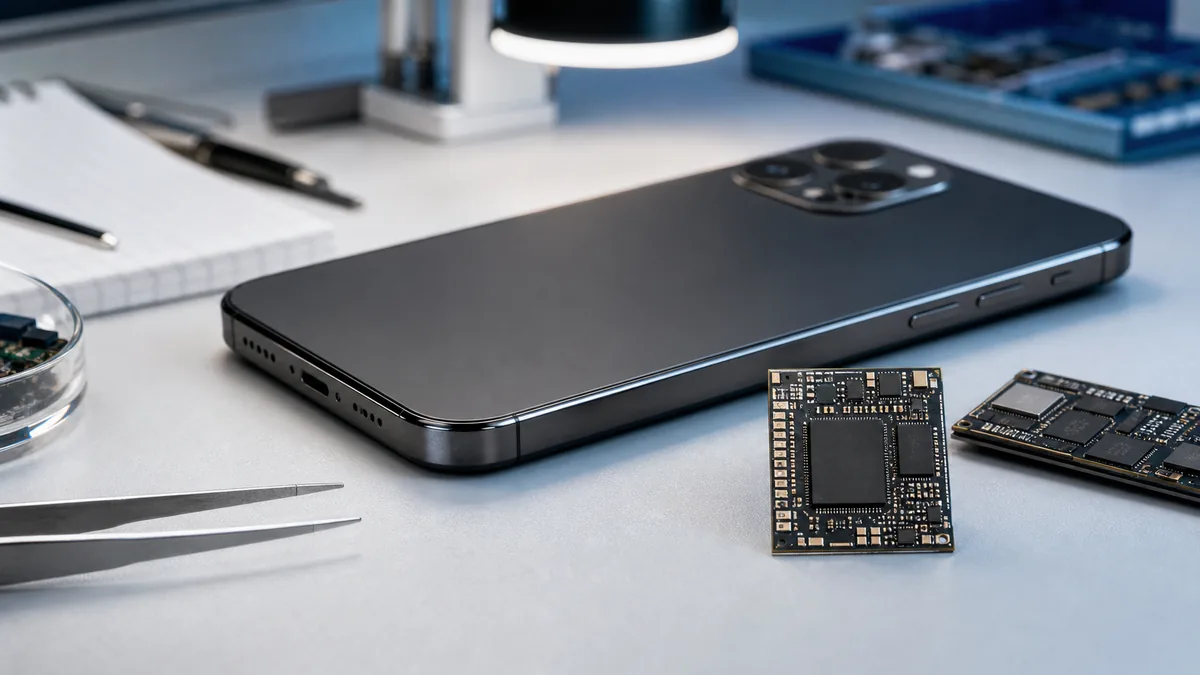
This follows directly from our Apple memory supply-chain story. If memory costs rise sharply, the pressure does not stay inside procurement teams. It reaches product segmentation, storage tiers, marketing language, and eventually the price shown to customers.
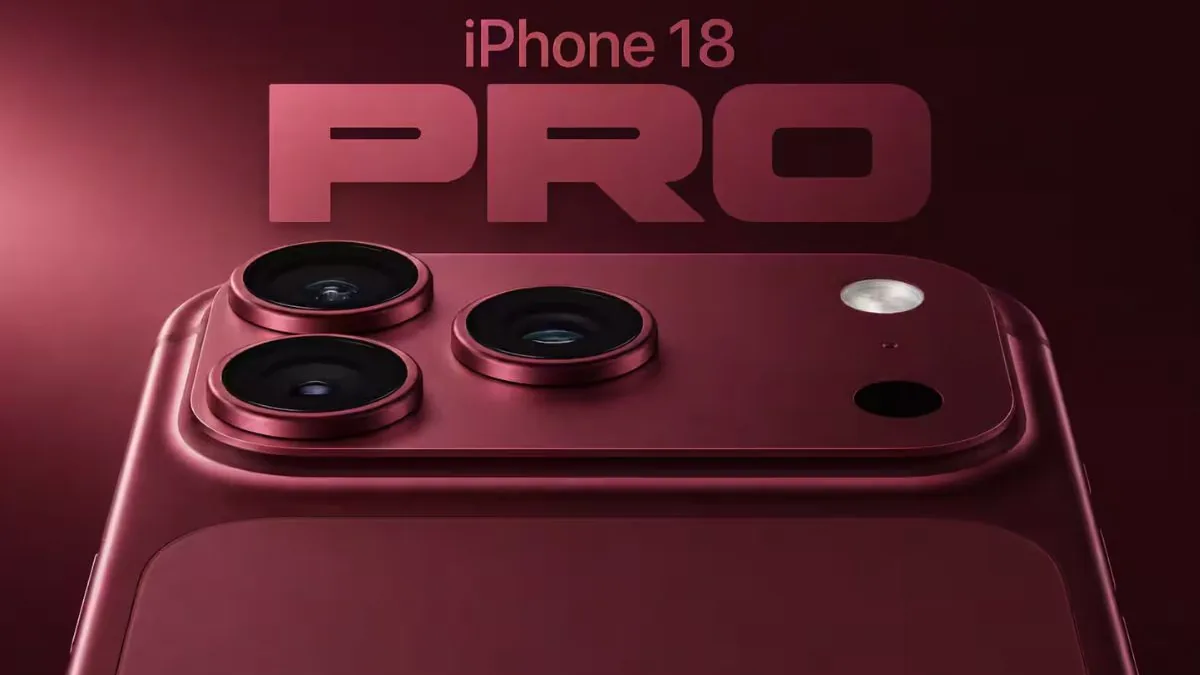
Digital Trends reported that Apple may treat buyers to a $200 price hike on the iPhone 18 Pro. The phrasing is sharp, but the underlying issue is serious: 2026 hardware economics are becoming harder to hide.
Apple can soften the reaction if the iPhone 18 Pro offers a clear jump in battery life, camera capability, on-device AI, display quality, or durability. The company cannot rely only on inflation explanations. Premium buyers want to feel that a higher price buys a better experience, not merely protection for Apple's margin.
If the report proves accurate, the wider phone market will watch closely. Android brands may use Apple's price rise as an opportunity, but many face the same component pressures. The result could be a more expensive flagship cycle across the board, with refurbished phones, longer software support, and midrange models becoming more attractive to buyers who are tired of price creep.
A price-hike report hurts because the iPhone Pro already sits at the point where buyers expect few compromises. If memory costs force Apple to raise prices or protect margins through configuration choices, customers will notice. The difference between a premium device and an expensive device is whether the added cost feels connected to a better daily experience.
Apple may try to offset the sting with camera upgrades, AI features, display improvements, or trade-in promotions. That can work, but only if the base model does not feel artificially constrained. Storage and memory tiers are especially sensitive because buyers understand that the wrong choice can shorten the useful life of a phone.
The report also puts pressure on Android competitors. If Apple moves higher, Samsung, Google, Xiaomi, and others can either follow the premium ladder or attack the value gap. The iPhone 18 Pro story is therefore not only about Apple's bill of materials. It could reshape how every flagship brand explains price in the next cycle.
Carrier financing may soften the headline, but it cannot hide the direction of travel forever. Monthly payments make a price increase easier to accept, yet trade-in math, insurance costs, and storage upgrades still shape the real bill. Apple will have to make the Pro model feel durable enough to justify a longer ownership cycle, especially for buyers who are already waiting three or four years between upgrades.