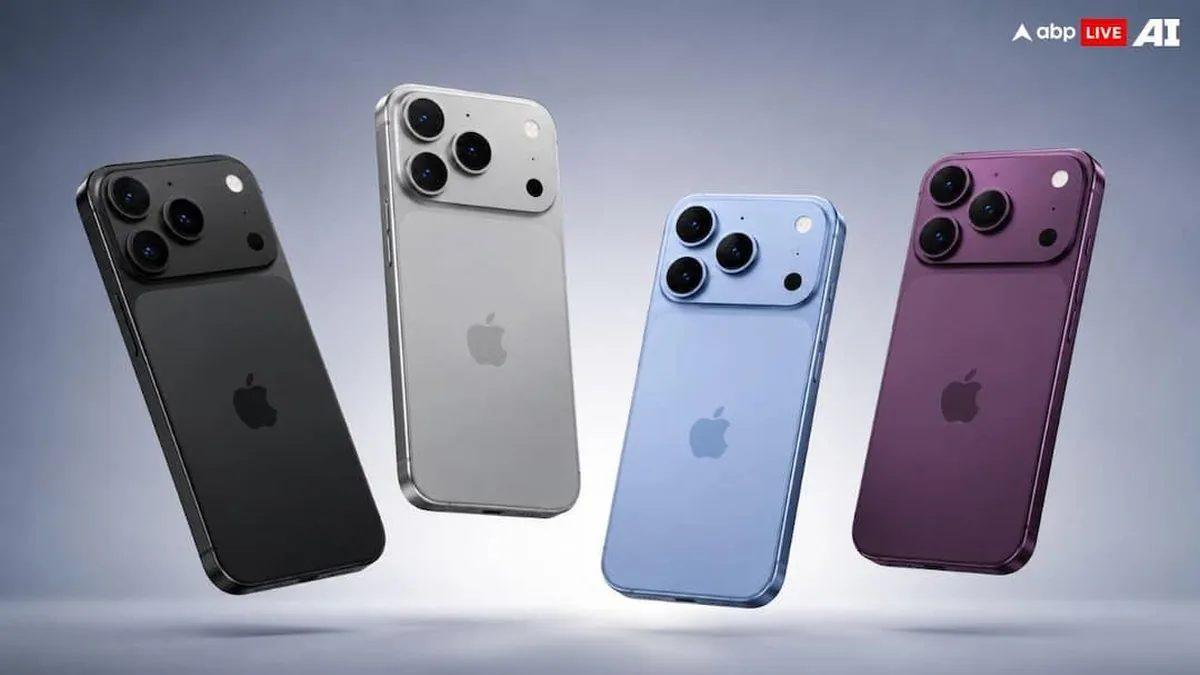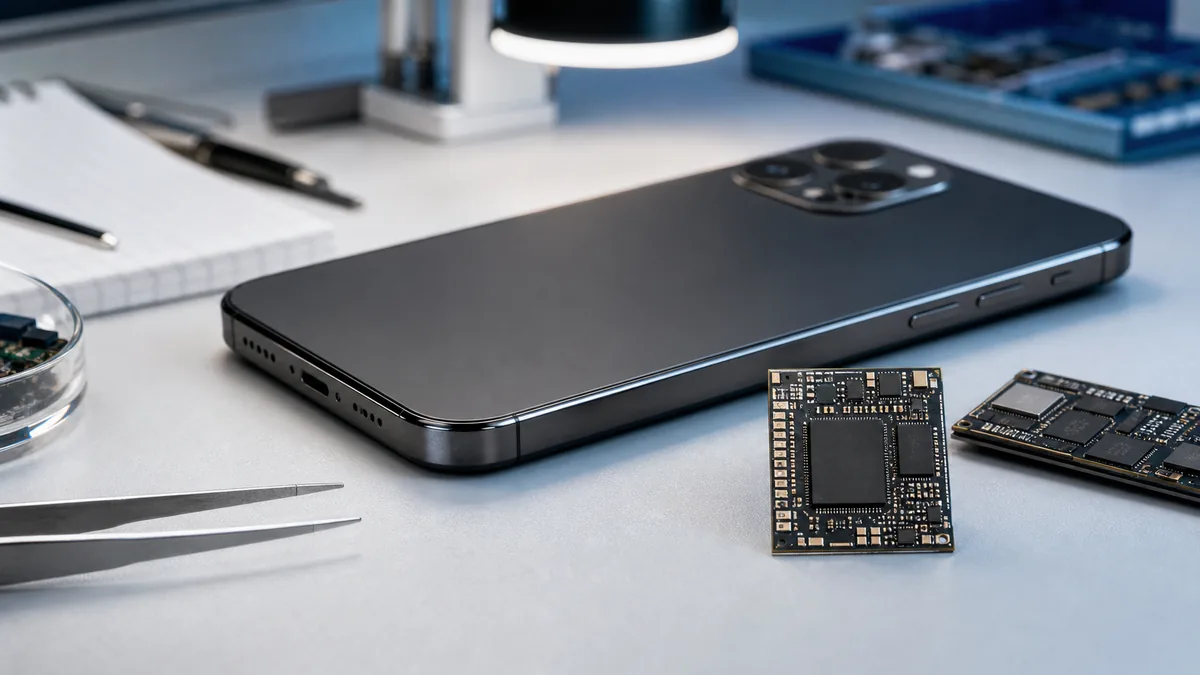
The iPhone 18 Pro modem rumor is not a flashy leak in the usual sense, but it may be one of the more important Apple hardware stories if it proves accurate. Cameras and displays are easy for buyers to see. A modem is invisible until it fails, drains the battery, or behaves differently across markets. That is exactly why Apple's move away from full Qualcomm dependence has taken so long and why any regional split deserves attention.
Apple has wanted more control over connectivity for years. Owning the modem path would give the company tighter integration with its chips, battery management, and future device designs. It could also reduce reliance on a supplier that has long been central to premium smartphone performance. The risk is simple: users do not forgive weak signal behavior, especially on a Pro model that is expected to work flawlessly in crowded cities, moving cars, and international travel.
A limited-market rollout would be the most Apple-like way to manage that risk. If the company uses its own modem only in selected regions or configurations, it can collect real-world data while keeping Qualcomm hardware where performance demands are highest. That would mirror the cautious hardware staging Apple often uses when a component is strategic but not yet ready for universal deployment. The earlier iPhone 18 rumor cycle already suggested that model differences may become more meaningful.
Firstpost reports that the iPhone 18 Pro may use an Apple C2 modem in some markets, potentially reducing Qualcomm's role in those units. The report should still be treated as leak-stage information, but the idea fits Apple's broader pattern: bring a critical component in-house, then scale only when the experience is reliable enough.
The business consequences could be significant. A successful Apple modem would shift leverage in one of the most valuable parts of the smartphone supply chain. Qualcomm would still have a large Android base and could remain present in some Apple models, but the symbolism would matter. Apple silicon changed expectations for laptops; an Apple modem would aim to do something similar for mobile connectivity, even if the first version is less dramatic.
There is a user-facing reason to care too. AI features, live translation, cloud photo processing, emergency tools, satellite links, and hotspot behavior all depend on reliable radios. A phone can have the fastest app processor in the world and still feel poor if it struggles to stay connected. That is why Apple's modem story should be judged by battery life, handoff behavior, heat, and consistency rather than by branding.
The leak also raises a regional fairness question. If some markets get Qualcomm and others get Apple silicon, buyers will compare performance quickly. Apple has faced that kind of scrutiny before with different modems and chip suppliers. The company will need the experience to be close enough that ordinary users do not feel they received the weaker version because of where they live.
For now, this is a strategic leak rather than a confirmed spec. The iPhone 18 Pro may still ship with a simpler configuration than rumors suggest. But if Apple is ready to put its own modem into a Pro-class iPhone, even selectively, the iPhone 18 generation could mark the point where Apple's control over the phone extends beyond the processor and into the network connection itself.