A leaked drop test video is a strange kind of pre-launch evidence. It does not tell us how good the camera is, how fast the chip runs, or whether the battery lasts longer. It does tell us that durability is already part of the iPhone 18 Pro conversation. For a premium phone that may cost more than many laptops, surviving ordinary accidents is not a side feature. It is part of the value proposition.
The usefulness of any leaked drop test depends on context. Was the device final hardware or a dummy shell? Was the glass production-grade? Were the drops controlled or staged for attention? Without those answers, a video can easily overstate what it proves. Still, durability leaks attract attention because they touch a simple fear: nobody wants a flagship phone to crack the first week.
Apple has spent years improving glass, frame materials, water resistance, and repair programs, but expectations rise with price. If the iPhone 18 Pro brings design changes, thinner bezels, new materials, or different camera housing geometry, buyers will want to know whether the changes make the phone stronger or more fragile. That connects with our ongoing iPhone 18 rumor coverage, where hardware changes are only useful if they survive daily life.
ABP Live English reports that an iPhone 18 Pro drop test video has leaked online before Apple's expected September launch. The report should not be treated as a substitute for independent testing, but it shows that durability will be part of the early debate around the phone.
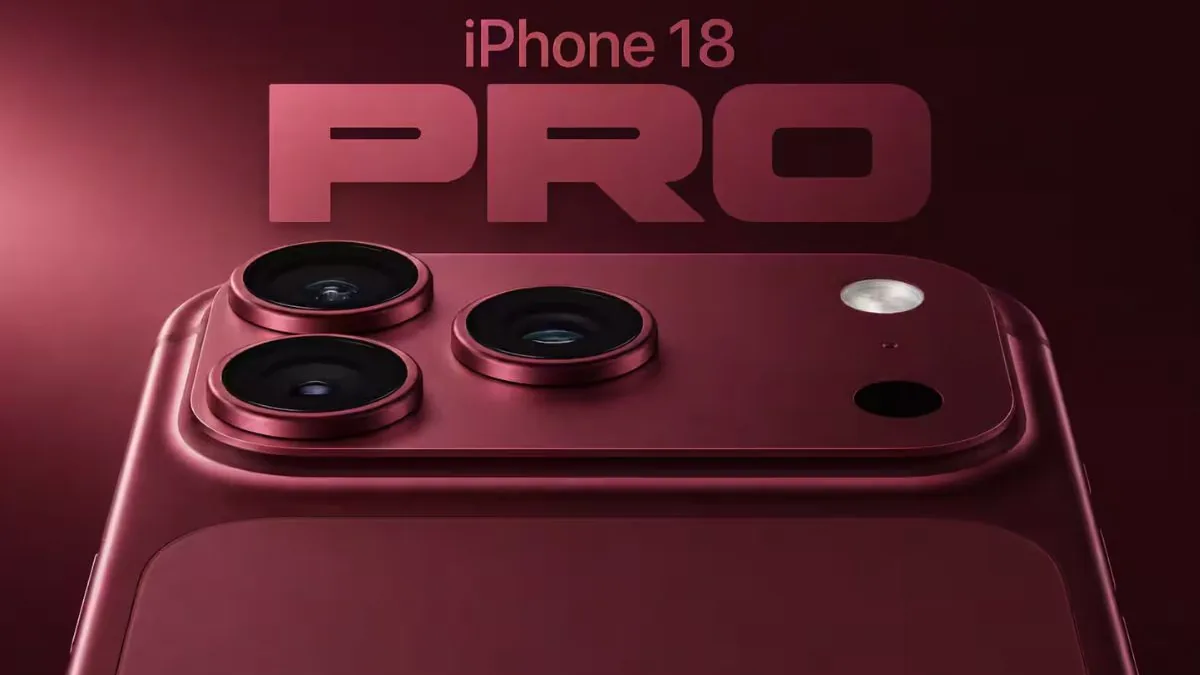
The camera bump is likely to be watched closely. Large camera islands can protect lenses in some drops and create stress points in others. If Apple changes the module, the phone's balance and impact behavior can change too. Case makers study these details early because even small dimension shifts can affect how protective accessories are designed.
There is also a repair cost angle. A phone can be technically durable and still expensive to fix when it does break. Apple has improved repairability in some recent models, but Pro devices with advanced displays and complex camera systems remain costly. A drop test leak therefore raises two questions: how likely is damage, and how painful is recovery?
The video also feeds into a broader consumer habit. People no longer wait for launch events to form opinions. They watch dummy units, alleged factory clips, case molds, and durability tests long before official specs arrive. Apple cannot control that entire conversation, so the company has to make the final hardware strong enough that unofficial leaks do not define it unfairly.
For now, the leaked drop test should be viewed as an early signal, not a verdict. The final iPhone 18 Pro may behave differently from whatever appears in the video. But the attention around the leak is telling. As phones become more expensive and more central to daily life, buyers care about resilience as much as elegance. Apple will need both if the next Pro model asks for another premium upgrade.
Accessory makers will be watching the same footage differently from fans. A scuffed corner, raised camera lip, or changed button placement can influence case molds months before launch. That underground preparation is part of why drop-test leaks spread quickly: they are entertainment for consumers, but they are also early market intelligence for companies building around the iPhone.